The Stories of Fort Témiscamingue & the Enchanted Forest

There’s no single way to explain Obadjiwan–Fort Témiscamingue.
The deeper you look into this place, the more it starts to split into different versions of itself. Indigenous histories… Local legends… Survival stories… Some overlap. A few contradict each other completely. And depending on where you start, you get a completely different understanding of what it was and what it still is.
So, let’s take a look at the myths, legends, and truths tied to this little corner of Quebec, and a few reasons for you to track them down yourself.
Why Obadjiwan–Fort Témiscamingue Is Worth Visiting Today
Most historic sites are relatively easy to process. You walk in, read the boards, take a few photos, and leave. Obviously, here at Rudderless Travels we’re not about those kinds of sites, but something about visiting this specific space stands out as especially unique.
Here, you’re not just looking at old structures and hearing about their history, you’re standing in the middle of story-filled spaces, and it all still feels alive.
You’ll hear about the voyageurs pushing themselves to exhaustion. And the legends about forests with trees that dance. And in the mix is the Indigenous knowledge systems that are still being practiced today.
If you’re too far to visit here yourself, Christopher has done it for you. Take a look at our podcast episode, where he explores the area and chats to some of the people who work at the site.
Standing at the Narrowest Point Between Two Worlds
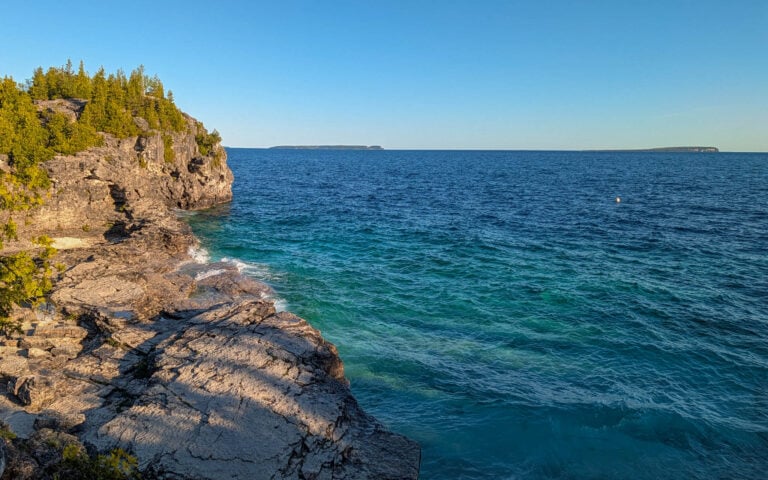
This stretch of shoreline sits at the narrowest point of Lake Timiskaming. It’s a natural choke point between Ontario and Quebec, and has been used as a travel route for thousands of years.
The name Témiscamingue comes from an Algonquin expression meaning “deep waters,” which fits the lake better than most people would expect once they see its depth.
From the shore, you can clearly see Ontario right across the water. Which explains why, before roads, this was one of the main routes further inland. Everything moved through here by canoe, including the fur trade. And whoever controlled this route had access to everything further inland. It was a bustling body of water.
But if you stand there today, it feels calm. Quiet. Almost too still for what it used to be.
Stories You’ll Find in Obadjiwan–Fort Témiscamingue
The old fort sits surrounded by dense forest and water, tucked into a landscape that still feels isolated in certain directions. And if you talk to the right people, you start hearing the kinds of stories that never made it onto the information signs.
A Fort Built on Trade, Fear, and Illusion
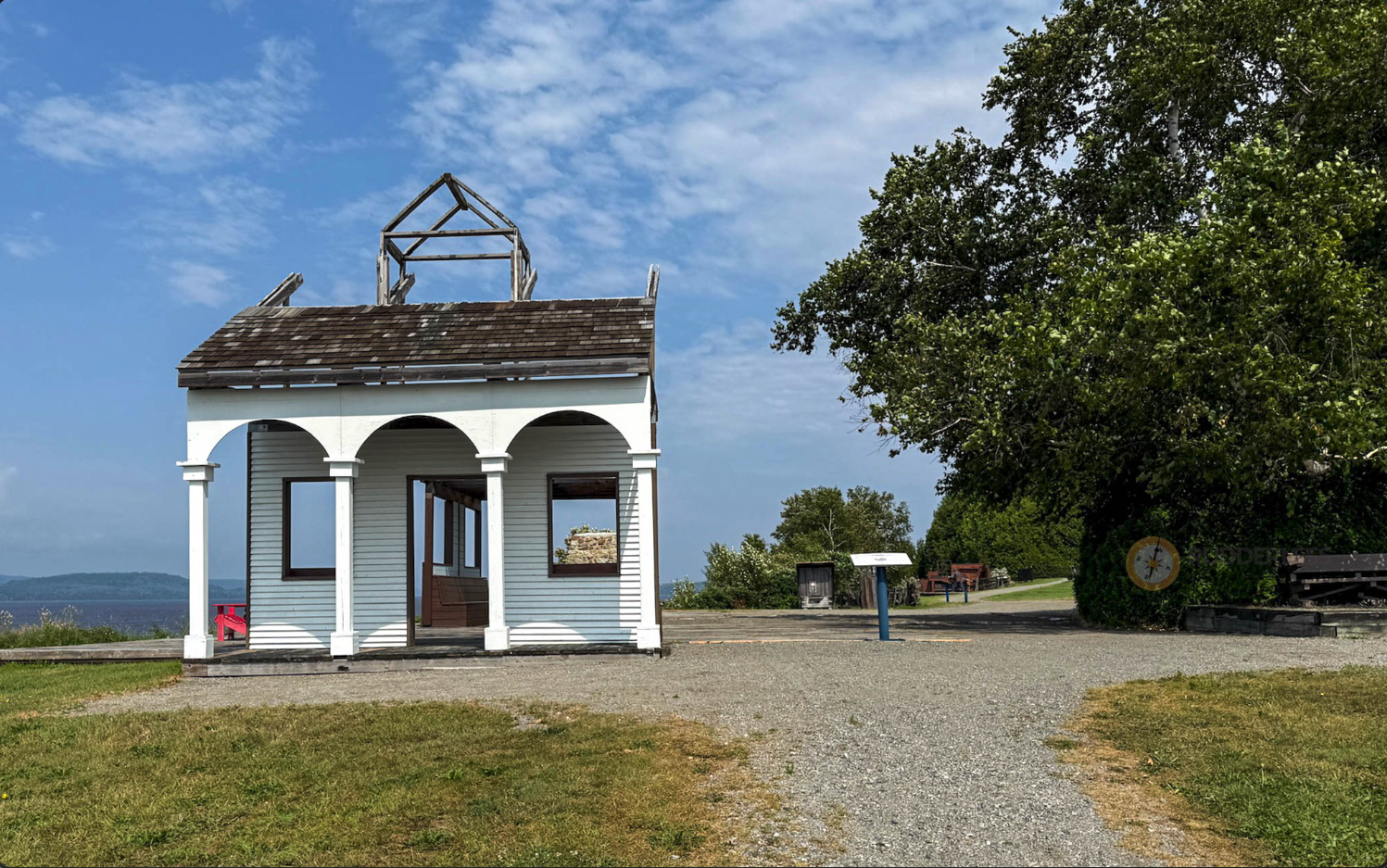
Fort Témiscamingue was built as a trading post at a key point in a much larger fur trade network. It was designed to protect goods and manage risk, and the people in charge went to great (perhaps a little crazy) lengths to do this. In fact, fake houses were constructed to look occupied from the water, to potential threats.
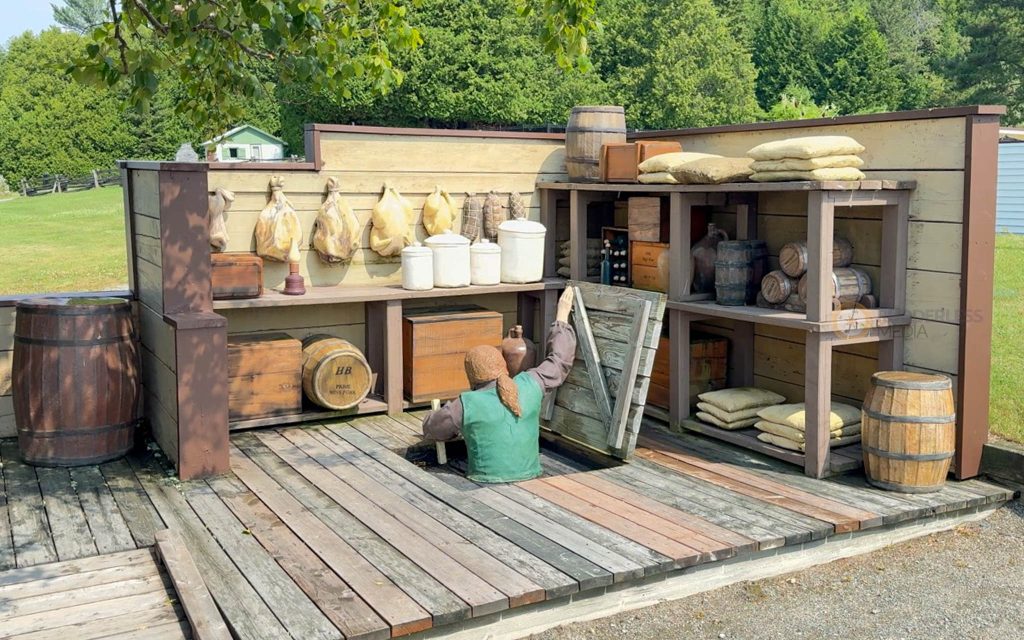
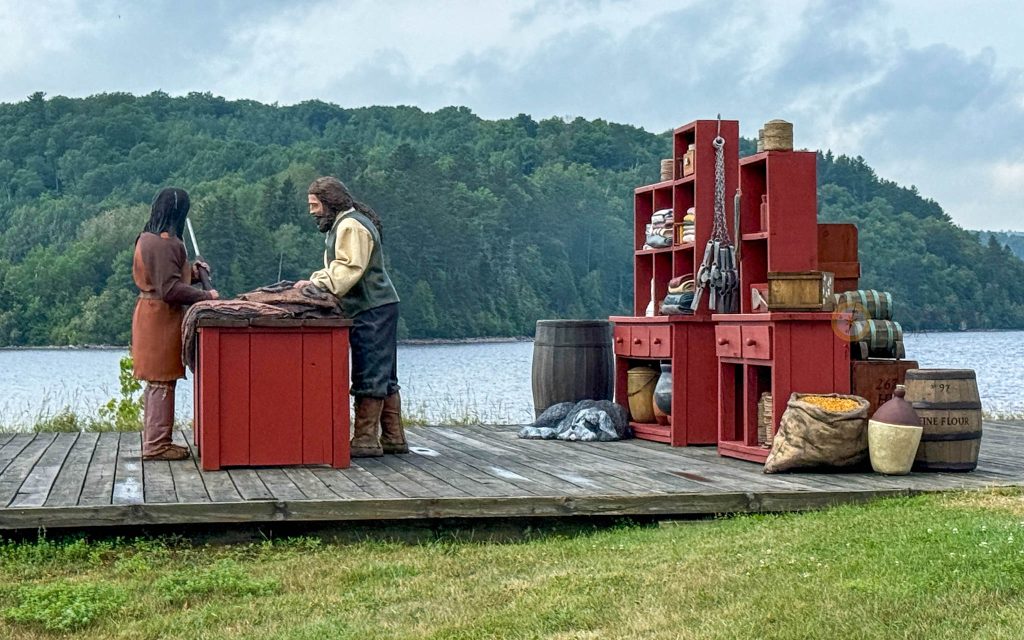
The fort sits along one of the natural routes that connected the interior of the continent to trading hubs tied to European markets. Pelts were collected across vast territories, moved through interconnected canoe routes, and funnelled outward along the same system. Everything depended on timing, water access, and the people doing the work.
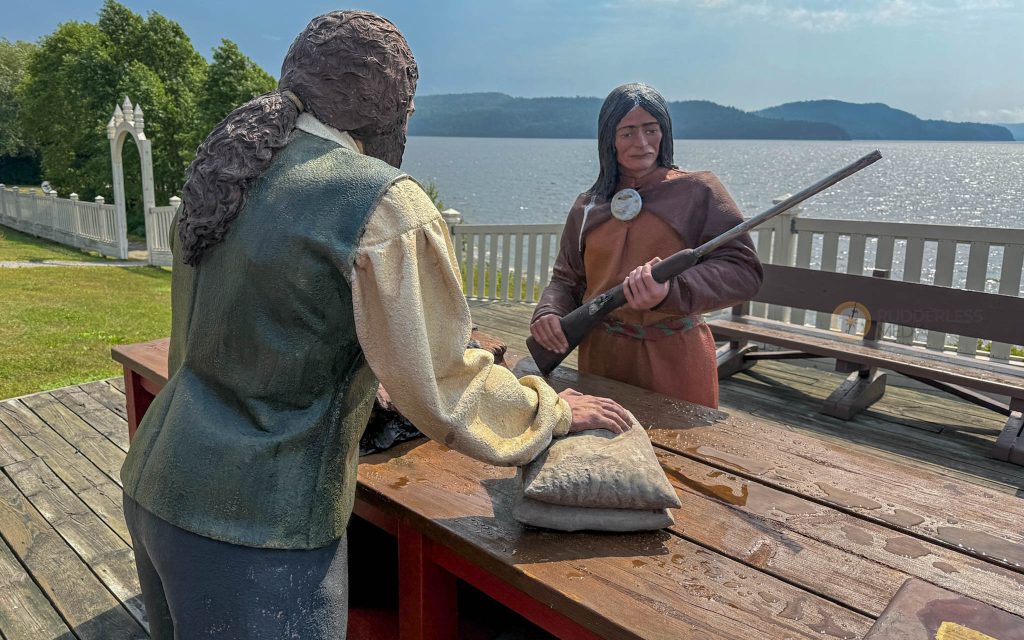
Being a Voyageur Was Not an Enviable Job
Those people doing the work I mentioned above? They were called voyageurs. And their job was not something the average person could survive. It was simple enough, in theory. Paddle, portage, repeat. But there were real risks to their lives, brutally unglamorous working conditions, and constant physical strain.
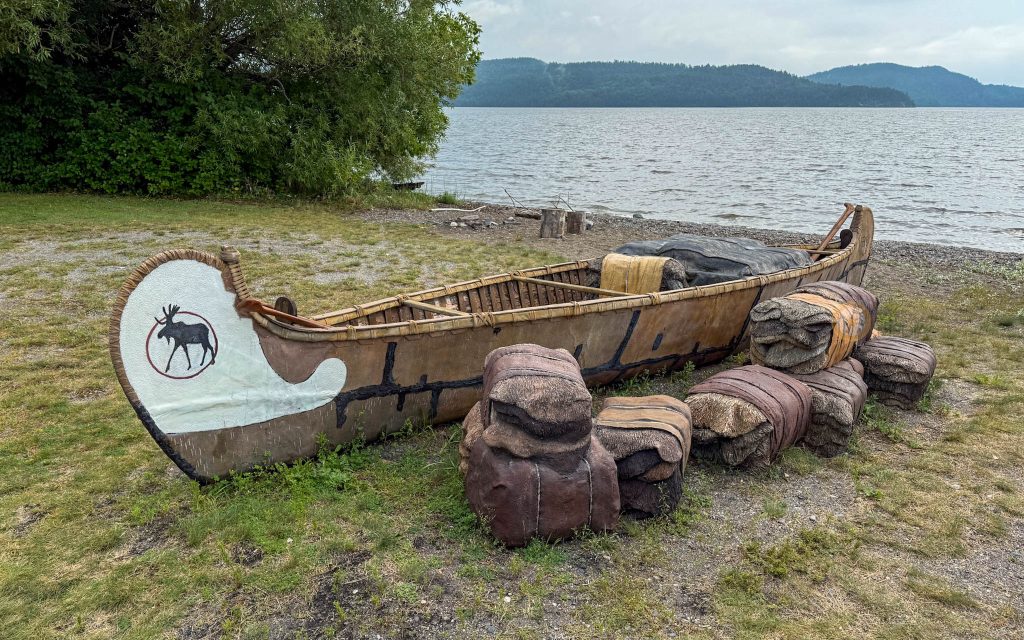
Canoes were loaded with cargo and supplies often adding up to thousands of pounds and the system only worked if it kept moving. Portages were where the physical cost showed up with heavy bundles carried over land often close to or above body weight and then carried again across routes that stretched for weeks or months.
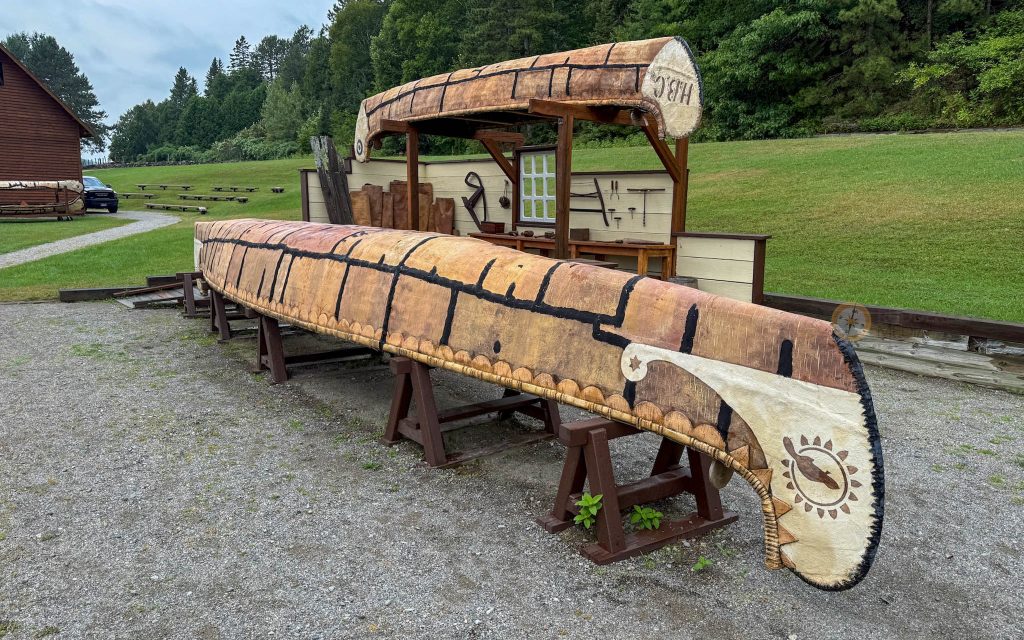
Even inside the canoe, space was limited and voyageurs were often chosen for smaller builds because movement inside a fully loaded vessel was already restricted. There were also horrible conditions to endure, like excessive mosquitos in the warmer months. A problem that was usually solved with skunk oil, of all things. Food choices seemed dismal too, mostly soup and bread.
That all paints a pretty dismal picture of what life was like for these workers. Luckily, they were often able to stop at nearby islands along the route to wash, recover, and reset before continuing on toward trading posts and settlements.
Living With the Land
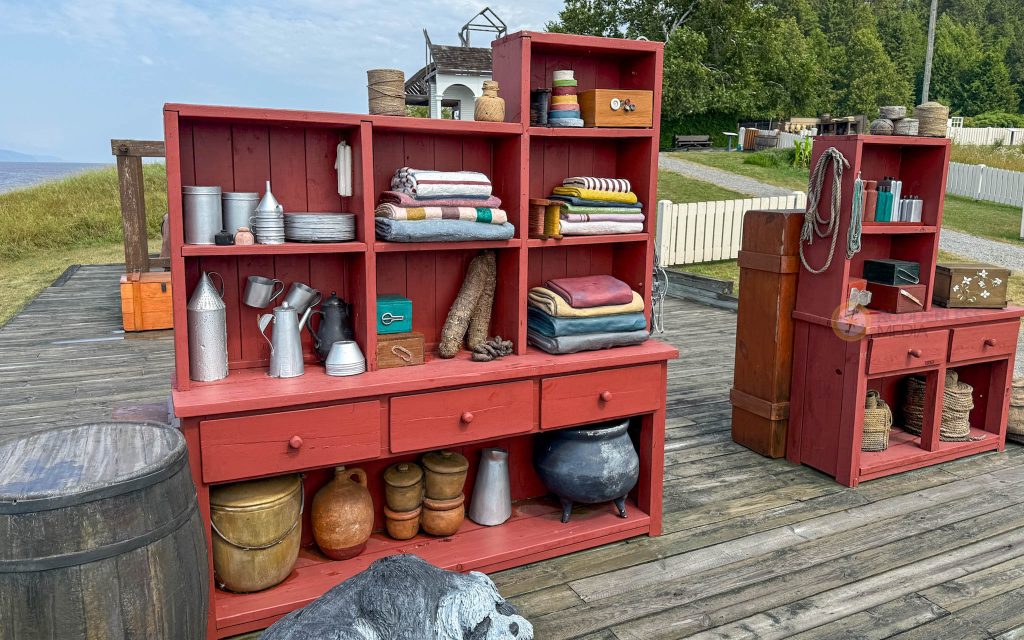
Away from the gruelling history of the fur trade, there’s another way of understanding this place. One that isn’t built around extraction or movement, but around relationship. The site is experienced today through partnerships with the Timiskaming First Nation, which shapes how parts of this story are shared and understood on the ground.
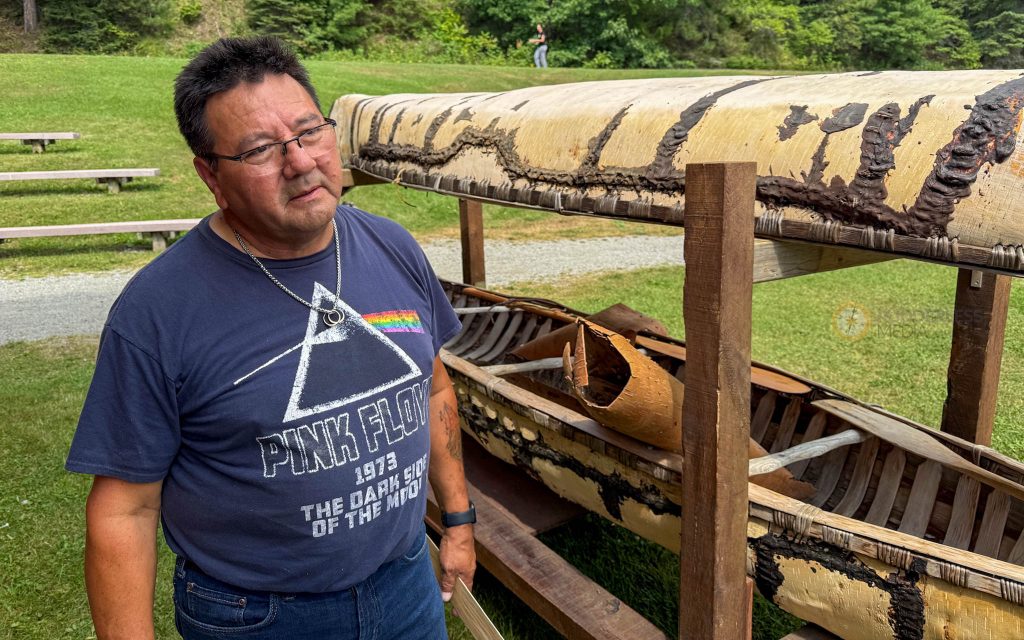
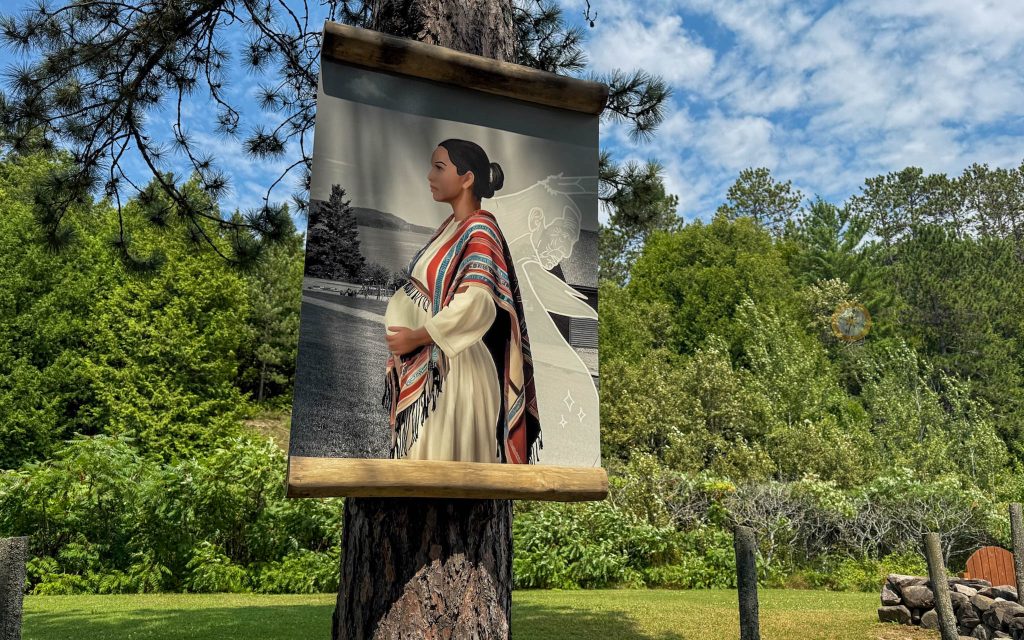
This way of living means that nothing is separate or disposable. Every part of a hunted animal is used. Whether that’s for food, tools, or clothing. It’s a very similar practice to what we learned from the Kâniyâsihk Culture Camps.
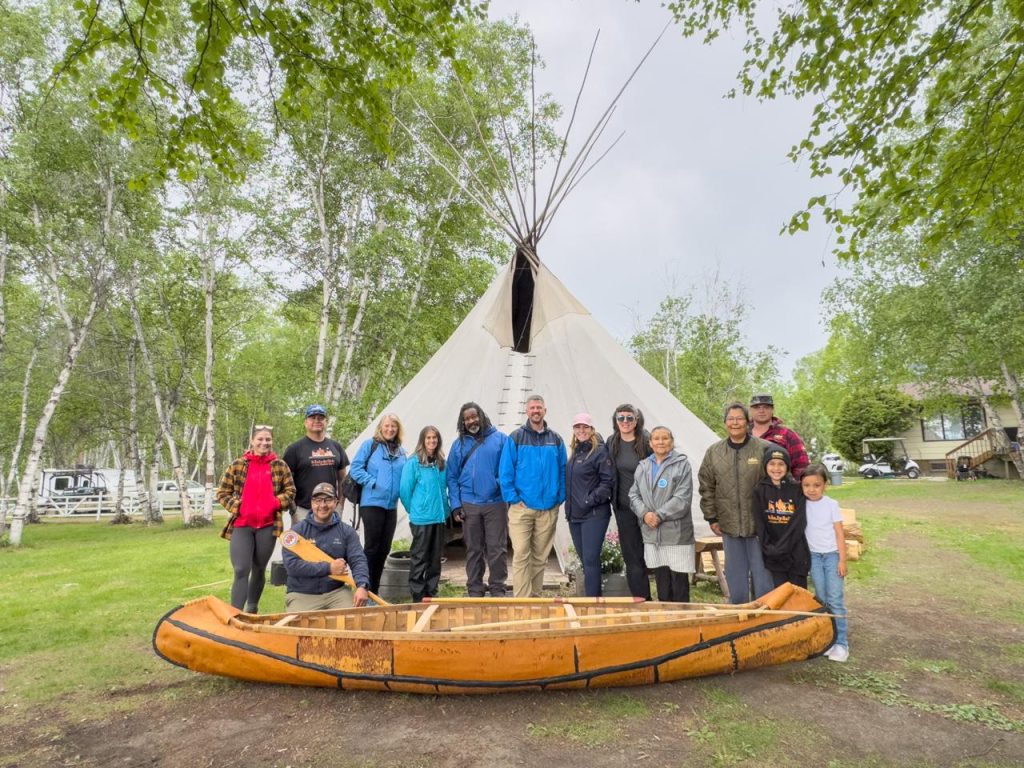
There’s also a way of working with materials that feels closer to collaboration than control. Natural resources aren’t framed as something to extract until they’re gone, but something to borrow from carefully so they continue to exist for what comes next.
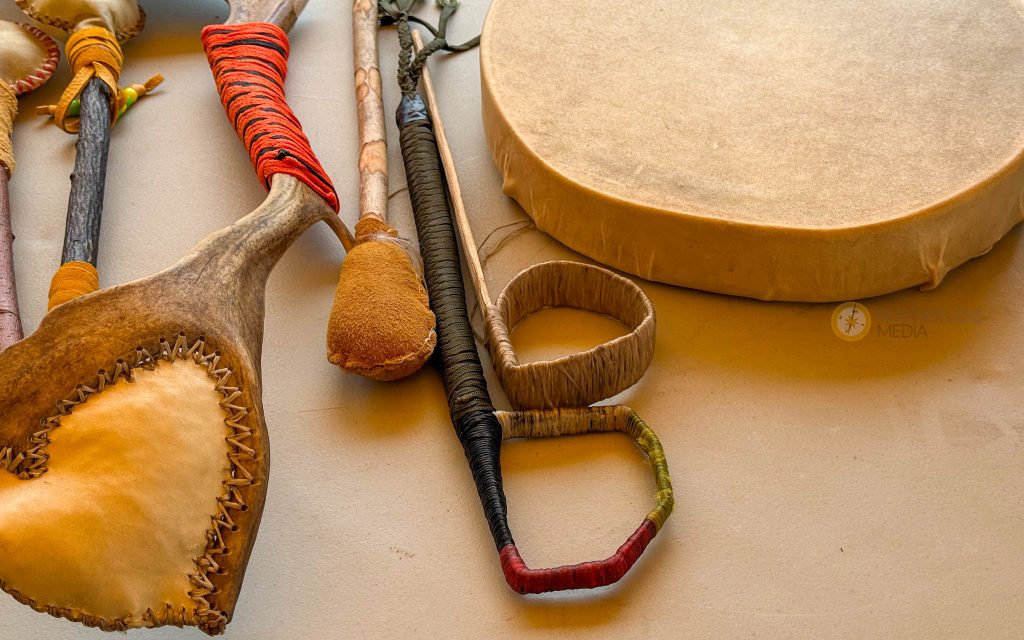
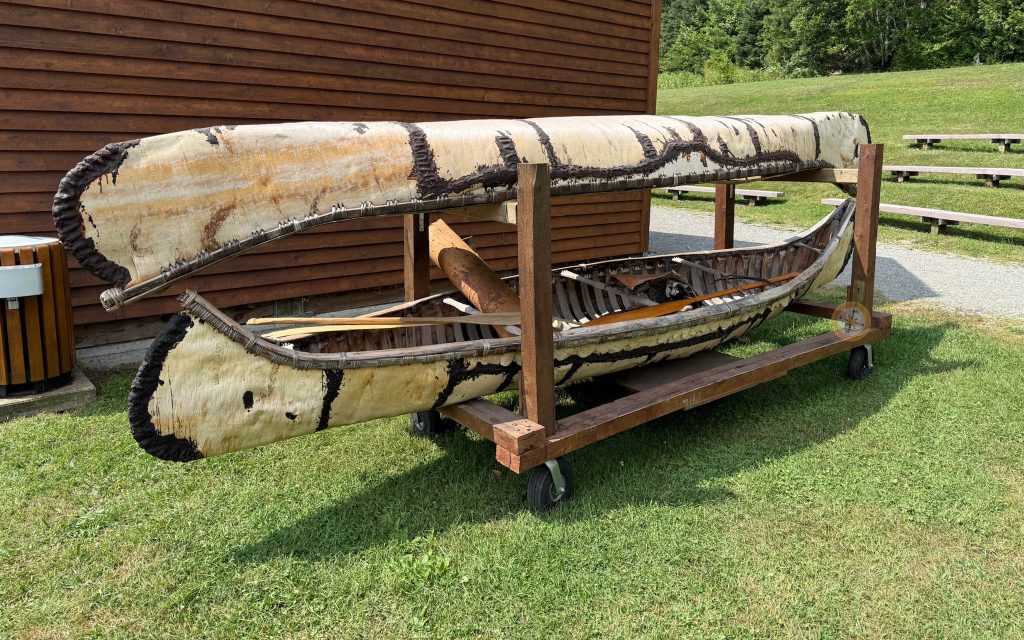
Even practical knowledge, like combining animal fat with tree resin, becomes part of a larger system of building things that last in this environment.
The Forest That Doesn’t Grow Quite Right
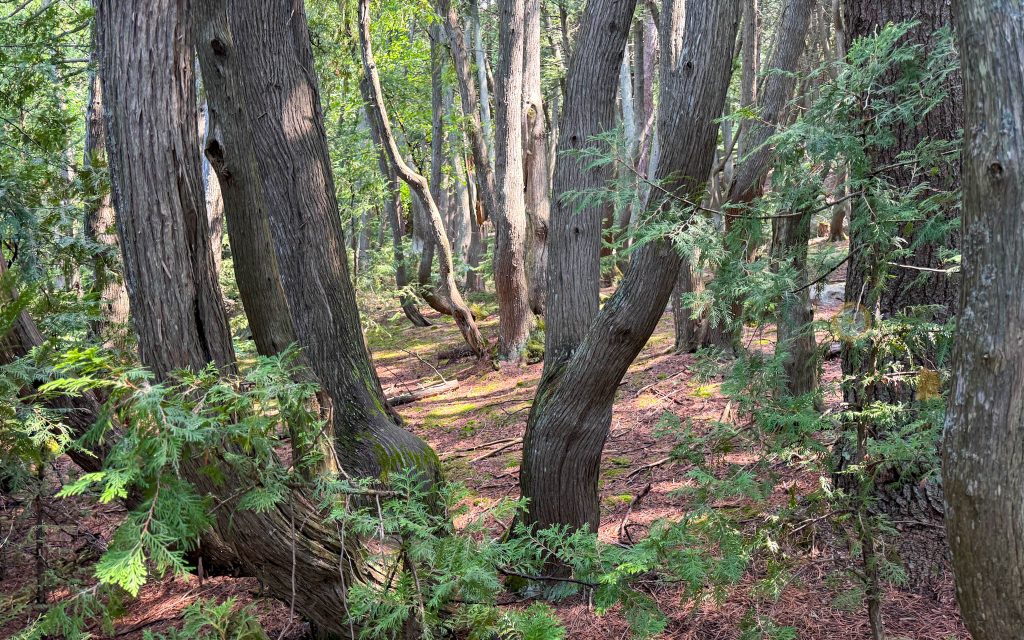
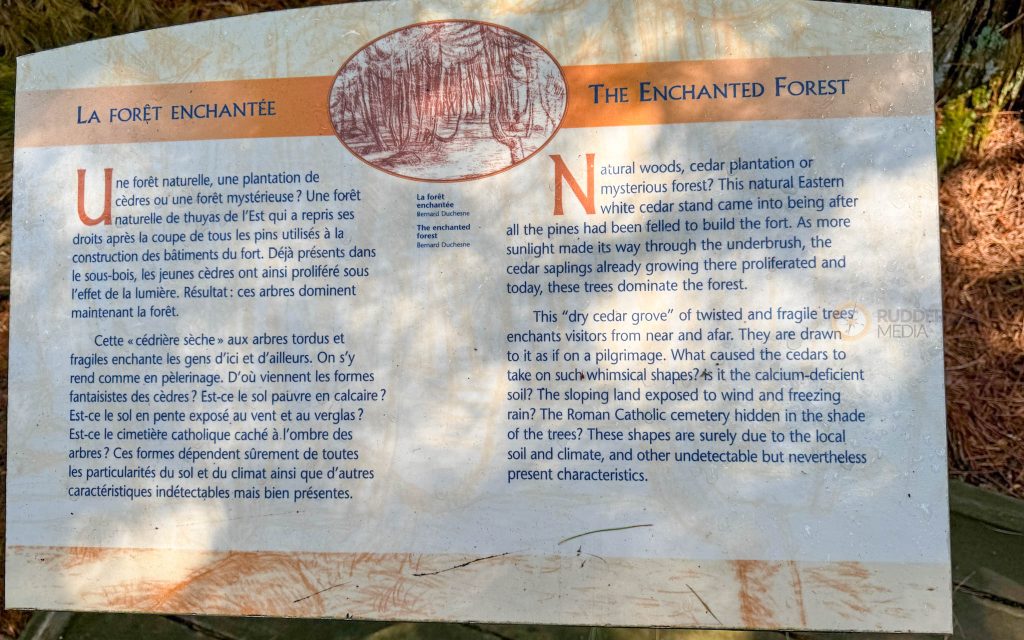
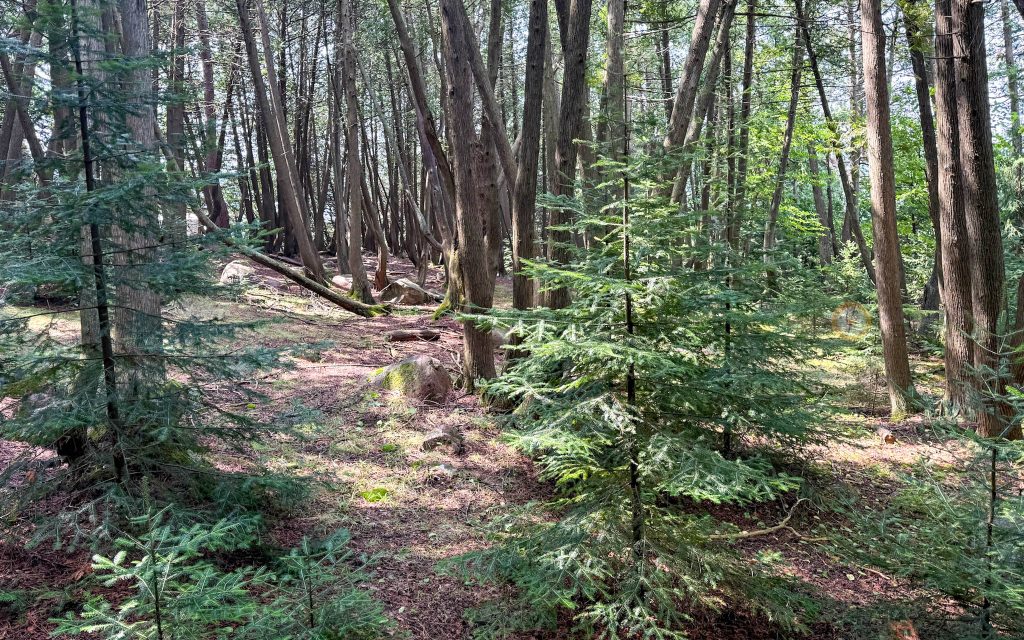
Now for the most fascinating story from Témiscamingue. The Enchanted Forest. This forest got its name from how the cedar trees grow twisted, loopy, and crawling in all directions. Looking very much enchanted and mystical.
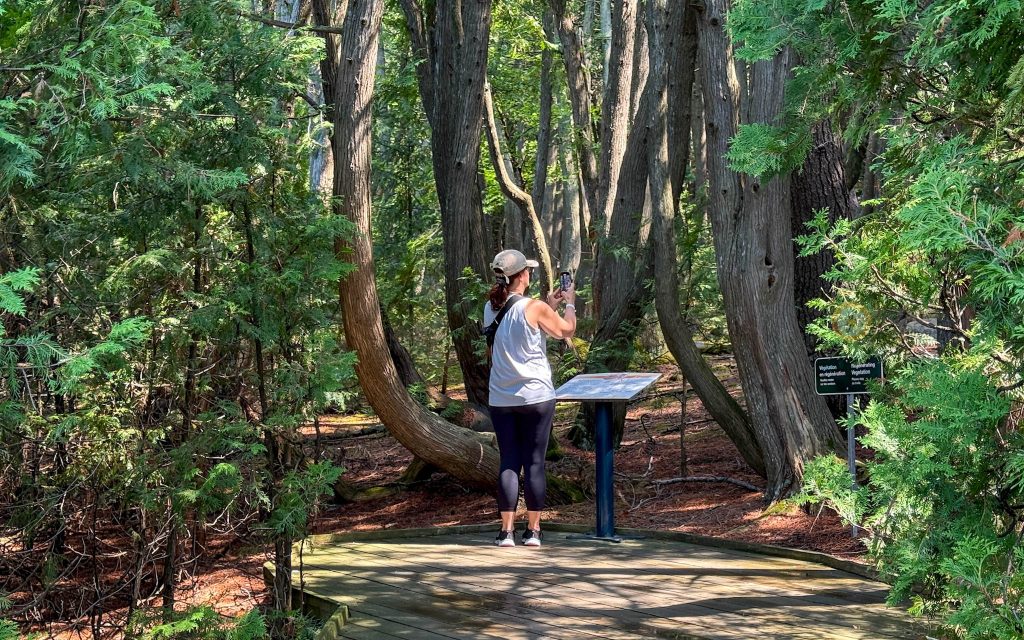
If you ask a local, the reason for this odd growth is all because of the young daughter of the fort’s chief trader and her flute. Apparently, the girl wasn’t very good at her instrument at first, but she persisted and practiced until she got so good that the trees danced for her. When she stopped playing, the trees became frozen, mid-dance.
The scientific explanation (if you’d like to ruin the magic) is simply that the shapes are due to survival instinct. The trees were affected by low light, heavy snow and wind, and humans stepping on the roots.
I’ll leave you to decide which story you carry with you as you walk through the cedar-lined paths.
What Remains When the Storylines Fade
Obadjiwan–Fort Témiscamingue sits within a wider stretch of land where different layers of history and daily life still sit on top of each other.
Come here for the fur trade history. Discover the Indigenous heritage that still shapes how this place is understood. Stay for the forest trails, the lake views, or the strange stories people still tell about the trees. You’ll probably end up with a mix of all of it, whether you plan to or not.
And if you’re already in the region, this isn’t the only stop worth your time. The wider Abitibi-Témiscamingue area carries the same layered feeling, just spread out over towns, lakes, farms, and roads that don’t always look like they’re leading somewhere important until you’re already there.