How to Plan the Perfect Bruce Peninsula Road Trip (Camping, Hotels, & Must-See Attractions)

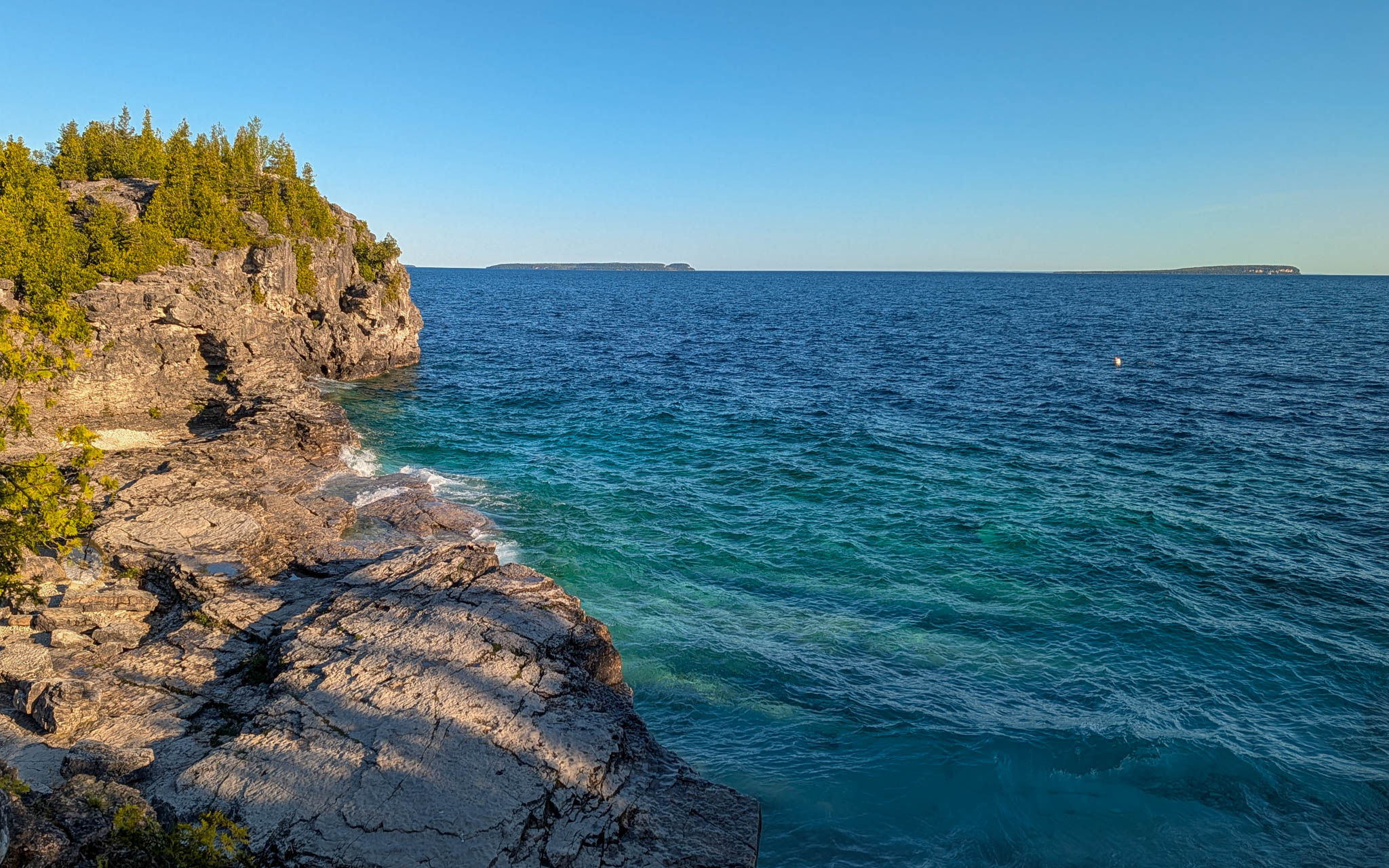
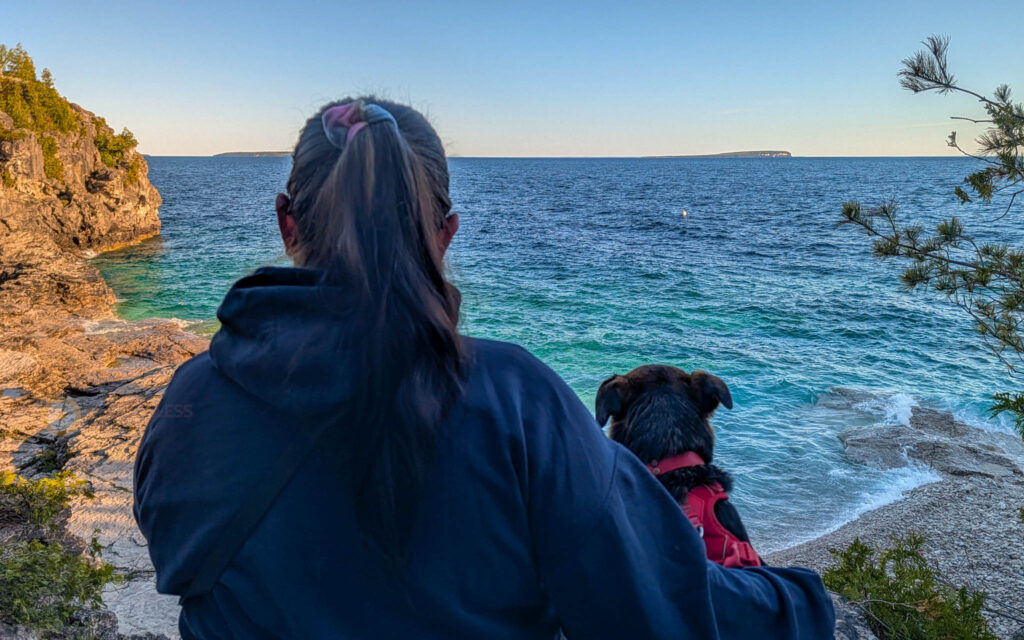
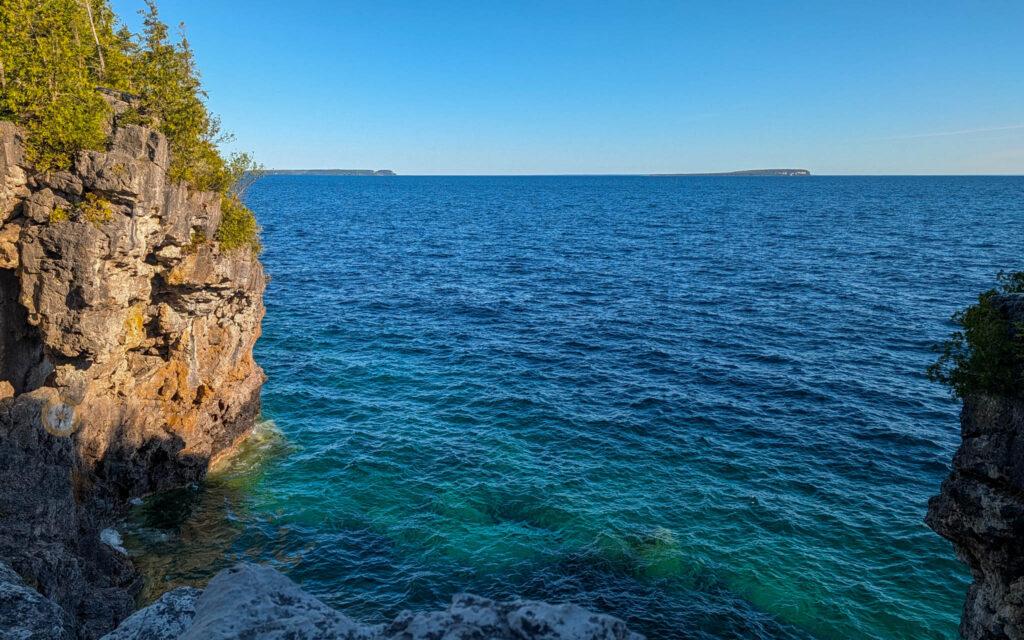
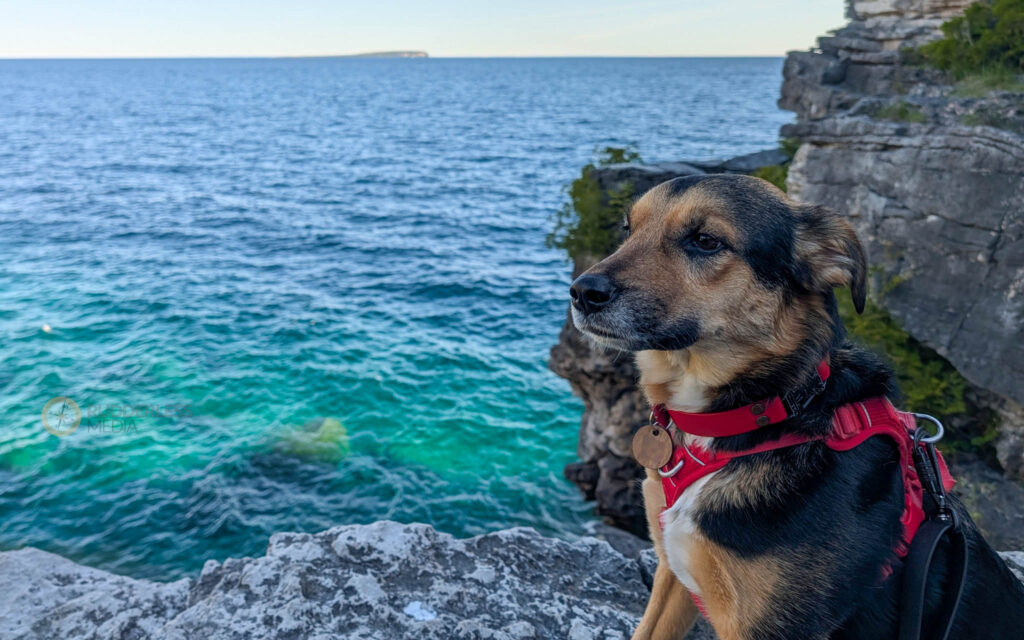
Standing on the limestone cliffs, looking out over The Grotto at Bruce Peninsula National Park, I felt like I had been somehow teleported to the Mediterranean. It was instantly clear why I see so many people sharing their love of the area.
Whether you’re looking to hike rocky trails and swim in sea caves, pitch a tent among the trees, or just spend an afternoon wandering through the local shop, Bruce Peninsula has a magnetic pull that brings people back year after year.
(We’re not even waiting until next year, with our next trip planned already for this fall).
If you are ready to experience the beautiful teal water firsthand, here is everything you need to know to plan your trip!
Getting there: Toronto to the Bruce Peninsula
The drive from Toronto to the northern reaches of the Bruce Peninsula is one that I strongly believe everyone should do at least once. The drive will take approximately 3.5 hours, and most of it will be simply driving Highway 6.
Heads up, as you head north on Highway 6, the route becomes more remote. This means fewer stops for supplies and only one gas station past Ferndale: Hoppy’s Gas Bar (7386 Hwy 6, Tobermory). It might be a good idea to fuel up at Ferndale or Hepworth on your way.
If you have the time, I recommend breaking up your trip with a few fun side quests, turning your travel into an epic road trip. From waterfalls and scenic hikes to cute little towns and tourist attractions, there is a lot to see! Here are a few of my favourite stops, including some directly on the way and a couple that require a little extra driving but are well worth it:
- Inglewood: This historic village is a great place to kickstart your drive. Grab a specialty coffee and a bite to eat at Coywolf Coffee before stretching your legs on the Caledon Trailway or shop for unique vintage finds at the Inglewood Antique Market.
- Collingwood: This town is a little out of the way, but it’s a great place for a lunch stop. Its downtown is packed with local boutiques, cozy cafes, and incredible patio dining. Enjoy your meal with a view of the Blue Mountains in the distance.
- Wasaga Beach: Located along the southern arch of Georgian Bay, Wasaga Beach is the location of the world’s longest freshwater beach. Take a stroll along the beach or go for a hike on the nearby trails at Wasaga Beach Provincial Park.
- Flesherton: This is the perfect spot for a mid-trip pastry. I recommend grabbing one of the famous, massive cinnamon buns from The Bakery of Flesherton. A quick detour just outside of town will take you to Hoggs Falls, a stunning waterfall you can see just a short walk from the parking lot.
- Owen Sound: Speaking of waterfalls, nature lovers need to stop in Owen Sound! Here, you’ll find four beautiful locations, including Inglis Falls, Indian Falls, Jones Falls, and Weaver Creek Falls (at Harrison Park), all within minutes of the city’s downtown.
- Wiarton: Home of Canada’s favourite weather-predicting groundhog, Wiarton Willie, this town is found in the southern part of the peninsula. It’s a great spot to stretch your legs in Bluewater Park (Wiarton Willie’s home) and take in the water views at Colpoy’s Bay.
Where to Stay: Bruce Peninsula Camping, Hotels, Airbnbs & More
Finding the right place to stay during your trip to the peninsula depends entirely on your preferred travel style and how close you want to be to the water. Because the area is very popular, accommodations often fill up months in advance, especially for the summer season. So, you need to start researching your options as soon as you start planning your Bruce Peninsula road trip, and the rest of the details will follow.
Whether you want to sleep under a canopy of stars or tucked into a cozy bed after a long day of hiking, here are the best places to unpack your bags:
Camping
For those who want an authentic outdoor experience, camping is the way to go.
The most popular option is to go camping at Bruce Peninsula National Park, the same place you’ll find epic attractions like the Grotto and Indian Head Cove (more on those to follow). Here, you have a few options to choose from, including:
- Glamping in the Yurts
- Car camping at Cyprus Lake Campground
- Backcountry camping (hike-in campsites) at Stormhaven and High Dump.
Regardless of which option you choose, they are all booked on the Bruce Peninsula National Park website. They open all reservations for the season on a single day each year. So, pay attention to their announcements throughout the late fall and early winter to be ready.
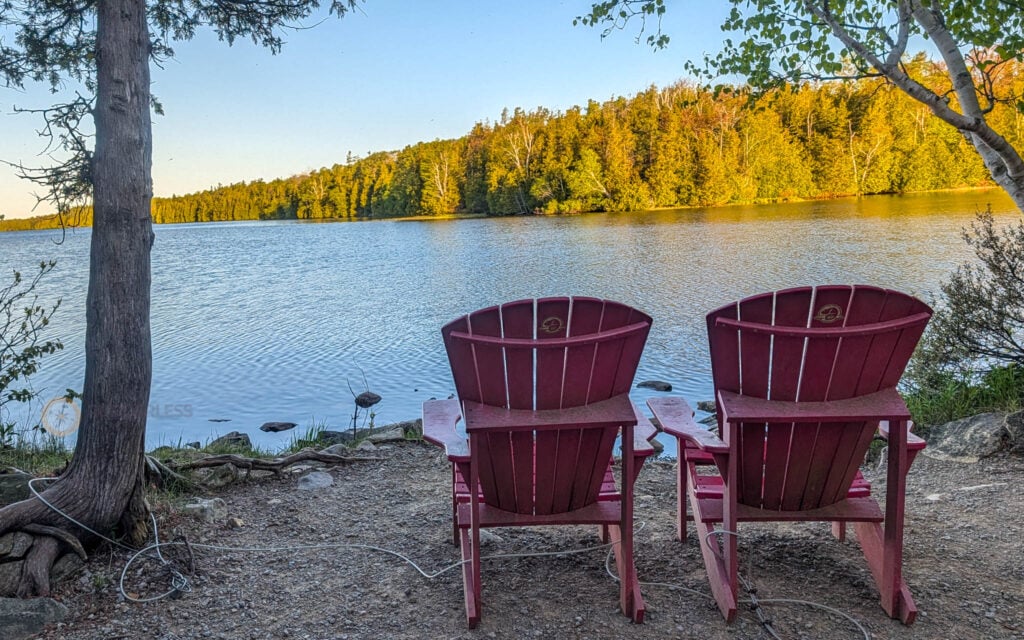
During my stay, we chose a campsite in Cyprus Lake Campground, more specifically in Poplars. This is the portion of the campground that is closest to the Head of Trails. If you’re okay with a slightly longer hike, the other two locations are also connected by trails. This includes Birches (trailer-friendly sites, including pull-through sites for larger RVs and those who are a little less comfortable with parking) and Tamaracks (the more rustic-feeling area).
If you’re travelling with family or prefer a few more creature comforts, like a swimming pool, hot showers, and Wi-Fi, the privately owned Tobermory Village Campground just outside of town may be more your style.
Hotels & Motels
If pitching a tent isn’t your idea of a good time, staying at a local hotel or motel will allow you to enjoy the wilderness by day and a warm bed by night. Most hotels in Bruce Peninsula are located around the village of Tobermory, just outside the park.
The Tobermory Princess Hotel is located right on the water, overlooking Little Tub Harbour. It’s within walking distance of local restaurants, shops, and the glass-bottom boat tour docks, making it a convenient option.
Situated just a short walk from the harbour and the Chi-Cheemaun ferry dock, the Bruce Anchor Motel offers both comfortable rooms and some larger cottage rentals for those travelling with family.
In the heart of Tobermory, the Blue Bay Motel is one of the top-rated options in the area. Here, you can enjoy charming rooms and private balconies with a view of Little Tug Harbour, letting you watch the boats come in with your morning coffee.
Airbnbs & Cottages
Another great option for larger groups or those who want a more private stay is to explore the many private properties (Airbnb) and cottage rentals in Bruce Peninsula. You can find many beautiful log cabins in the woods near Lions Head or along the shoreline of Lake Huron. Personally, I love the idea of staying in a lakefront cabin, with the opportunity to swim and enjoy sunset views right from your rental.
Booking Tip: No matter which option you choose, lock it in early! Many hotels and private rentals have strict weekend minimums in July and August, and last-minute bookings are virtually nonexistent during the peak summer season.
Bruce Peninsula National Park & The Grotto
There is a reason Bruce Peninsula National Park draws hundreds of thousands of visitors every year.
The park was established in 1987 to protect a unique ecosystem, including mixed-wood forests, rocky shorelines, limestone cliffs, and stunning blue lakes. There are many creatures that call this area home that you can keep an eye open for, including black bears, red-shouldered hawks, yellow-spotted salamanders, barred owls, the common snapping turtle, and the Massasauga rattlesnake.
While this is a massive wilderness area filled with trails and beautiful views, most visitors head straight for the most famous attraction, one that everyone needs to see at least once in their lives: The Grotto at Bruce Peninsula National Park.
Navigating The Grotto & Indian Head Cove
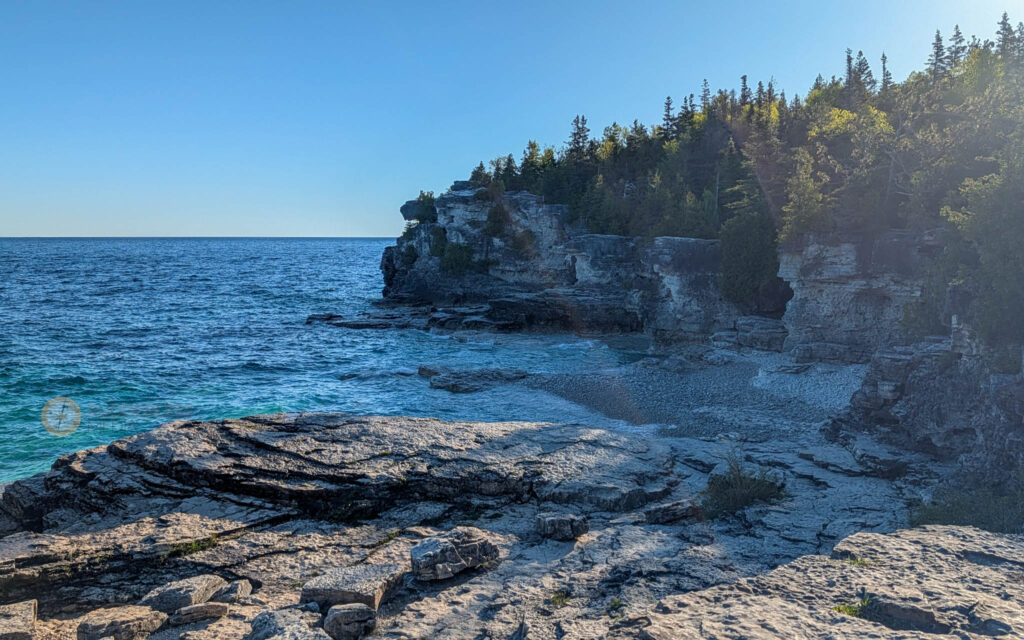
From the Cyprus Lake parking lot, you can take a relatively easy 45-minute hike along the Georgian Bay Trail to reach Indian Head Cove. This trail is also accessible from the Cyprus Lake Campground if you are staying there, saving you from the cost of parking. Indian Head Cove is a beautiful, flat, rocky limestone beach considered by many to be the main viewing area for the iconic turquoise waters.
This is often a very busy area within the park. However, by planning our visit for the shoulder season (May) and heading out on the trail first thing in the morning before the parking area even opened for the day, we had this stunning area all to ourselves.
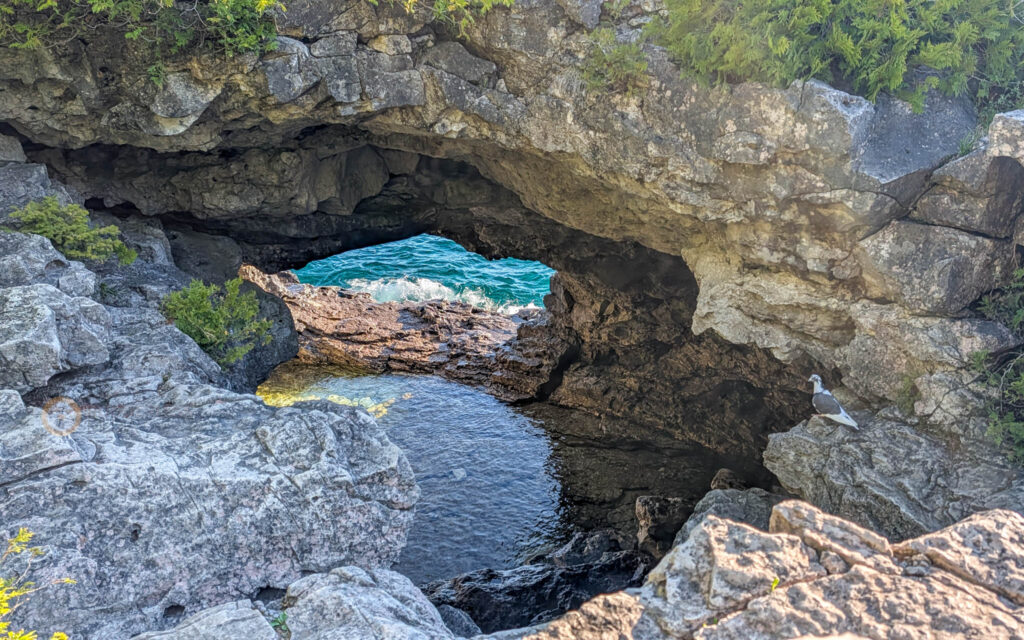
Just a short scramble over the rocks from the cover, a more challenging portion of the hike that may be challenging for anyone with mobility issues, lies The Grotto itself. It is a large limestone cave carved away by years upon years of waves, creating a shallow pool inside.
While we didn’t find the hike too difficult, there was one section where the smaller of our dogs, my 30-lb boy, Lucifer, had to be lifted over some rocks to help him navigate it without getting injured. Getting into the cave is more challenging, requiring you to move along the exposed cliff face or through the “chimney,” a narrow rock tunnel. We decided to stay at the initial lookout, enjoying the view while we ate our breakfast, which we carried in on our hike.
Wear sturdy hiking shoes or running shoes if you’re planning to visit this area. Flip-flops would make the rocky portions of the trail incredibly sketchy!
Booking Your Parking Spot
Because the Grotto is so popular, Parks Canada had to implement some rules for crowd control. You can’t simply show up and park.
Parking at the Grotto/Cyprus Lake area is managed via a strict 4-hour time-slot reservation system during the peak season (May to October). You have to reserve your specific time slot weeks or months in advance through the Parks Canada reservation website. It is VERY rare to score an available slot at the last minute. If you arrive without a booking confirmation, you will be turned away at the gate, no exceptions.
Other Things to Do in Bruce Peninsula National Park
If you want to escape the crowds at The Grotto, you’re in luck. There are other incredible places to explore. These locations and Bruce Peninsula trails have completely different vibes, so they are also a great addition to a longer trip for those who have already visited the more popular spots.
- Halfway Log Dump: Located farther down the coast, this spot requires a 1km hike through a quiet forest that opens onto a rocky shore piled high with massive, smooth limestone boulders. Like The Grotto, the parking area for those not camping here also requires reservations. It’s a quiet place to sit by the waves and take in the park’s natural beauty.
- Singing Sands: On the opposite side of the peninsula, along Lake Huron, Singing Sands is one of the most popular Bruce Peninsula beaches for those who want the classic sandy beach experience. It has incredibly shallow, warm water that stays ankle deep for a surprisingly long distance. There are also trails you can explore that showcase the fragile sand dunes. Parking here is first-come, first-serve, and it fills up fast!
- More Hiking Options: Beyond the Georgian Bay Trail, there are other trails to hike within the park, allowing visitors to see all the different habitats that make up this area. The Cyrus Lake Trail is a low-difficulty hike through the forest and around the lake, while the slightly more challenging Horse Lake Trail wanders through marsh, woodland, lakefront spots, and a boulder beach.
Adventures Outside of Bruce Peninsula National Park
Of course, there is more to the area than just the options available at the park itself. The rest of the peninsula includes SO much to be explored! In fact, we quickly learned that you’ll need several days just to scratch the surface. We didn’t get to do nearly as much as we wanted during our stay (that’s why we’re headed back soon). Here are a few other things you may want to include in your Bruce Peninsula road trip:
Hiking Bruce Peninsula
The legendary Bruce Trail runs all the way up the peninsula, offering everything from peaceful forest strolls to intense, technical hikes. You can access downloadable PDF maps of this portion of the trail online for $5. Alternatively, you can get the app (available on iPhone and Android) for $2.99/month, which gives you the most up-to-date information and recent trail updates.
For one of the most breathtaking views in Ontario, head over to the small town of Lion’s Head, where you’ll find Lion’s Head Provincial Park and the loop trail to the iconic Lion’s Head Lookout. Here, you’ll find yourself on a sheer cliff edge approximately 200 feet above the blue waters of Georgian Bay. This is a moderately difficult hike with plenty of rocky terrain and exposed roots, so dress accordingly.
Just like the Grotto, you have to pre-book parking online before heading to the trail parking lot, especially during the busy summer months.
Flowerpot Island
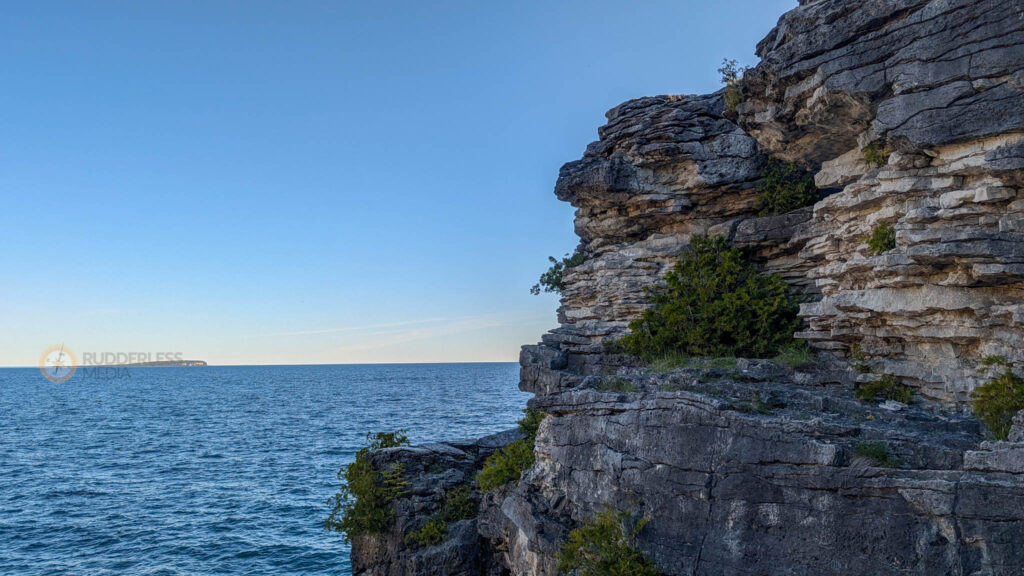
This one-of-a-kind island is famous for its massive, natural limestone rock formations shaped like giant flowerpots (hence the name). There are several Bruce Peninsula boat tours that will take you right out of Little Tub Harbour to the island. During the trip, make sure to look down into the shallow waters to see preserved shipwrecks that you’ll cruise over along the way.
Once you step off the boat, a network of trails and wooden boardwalks makes it easy to explore the flowerpot formations. I highly recommend packing a lunch because this is the perfect spot for a picnic.
Exploring the Turquoise Waters
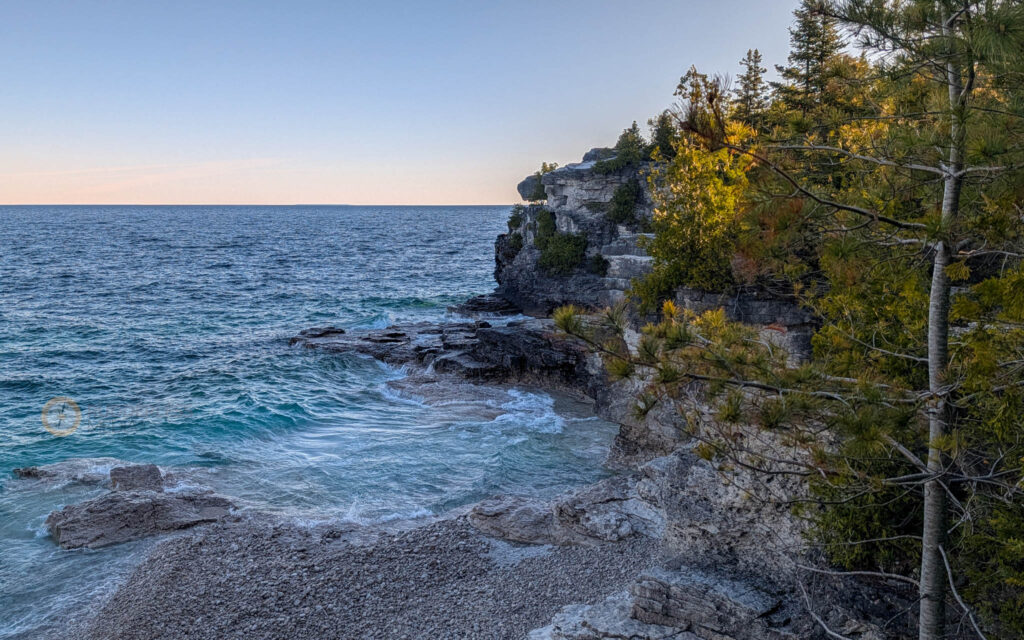
Hiking is a great way to check out the area, but seeing the sights from the water is a whole new, magical experience! With that in mind, it’s no surprise that canoeing, kayaking, and stand-up paddleboarding are popular activities for those visiting the peninsula.
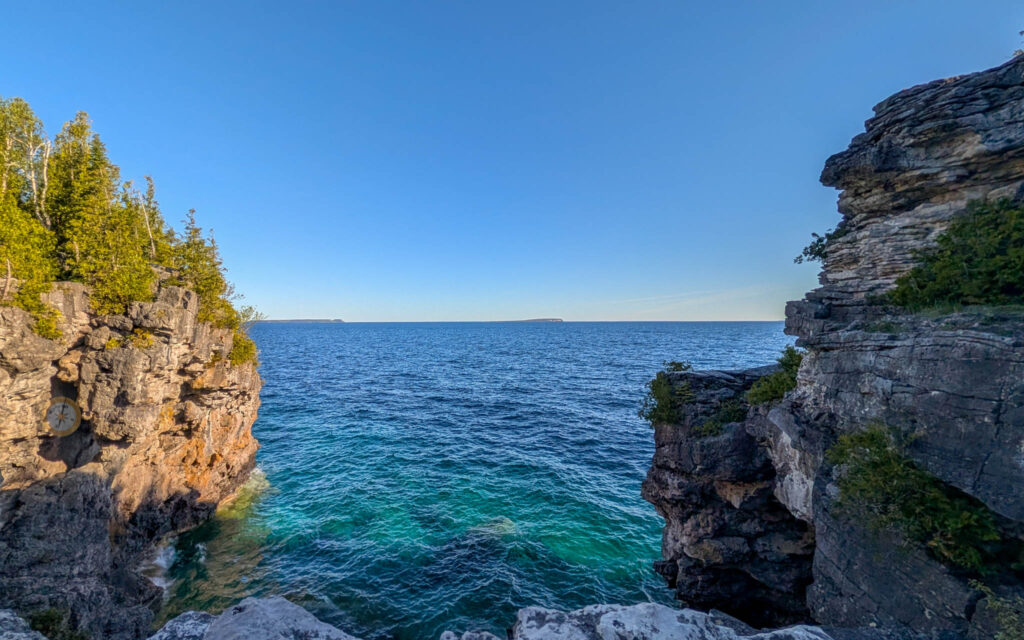
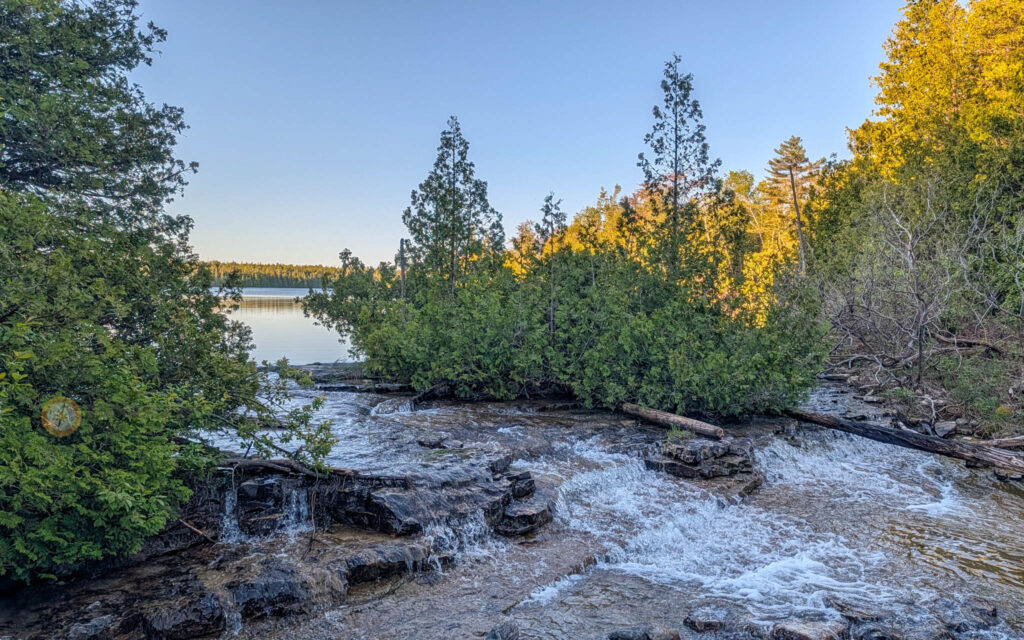
The quiet, rocky inlet at Little Cover Beach, just east of Tobermory, is a go-to launching point for experienced sea kayakers who are looking to take on the rugged limestone shorelines. Of course, the choppy water of Georgian Bay requires a little skill and experience. If you are looking for calmer waters, you can also enjoy inland paddling on Cyprus Lake or Cameron Lake.
Don’t have your own canoe or kayak? No worries! There are several local businesses in Tobermory offering daily rentals.
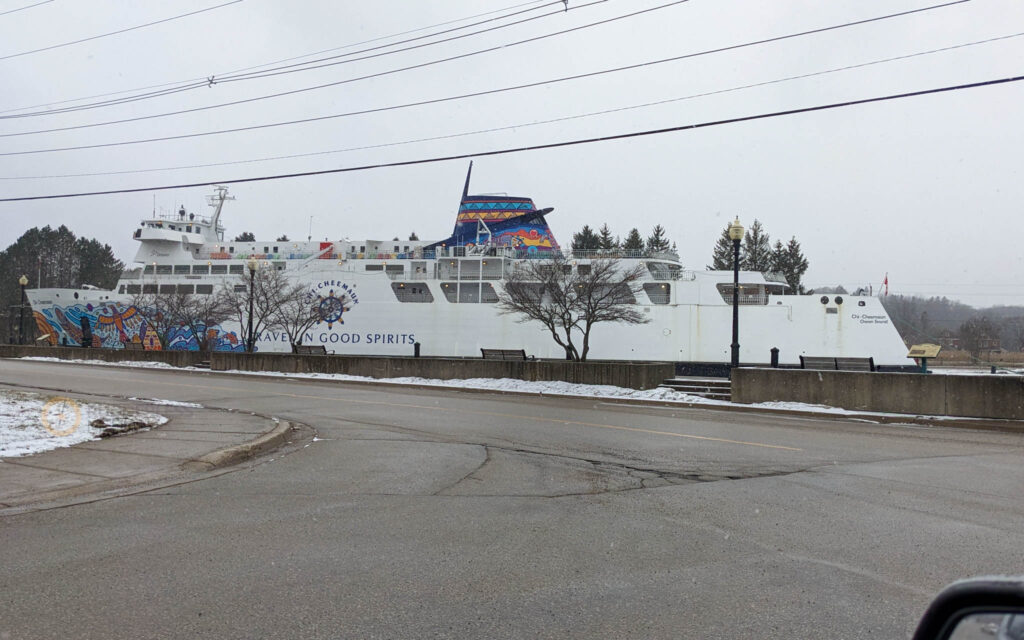
For a completely different experience on the water, look no further than the MS Chi-Cheemaun passenger ferry docked in Tobermory’s harbour. This 365-foot ship transports people between the tip of the peninsula and Manitoulin Island. Even if you’re not interested in staying on the island or taking that (much longer) detour back home, you can book a vehicle-free round-trip walk-on passenger ticket to experience the ship and enjoy the incredible views of Georgian Bay.
Ready to See the Turquoise Waters?
Something about the Bruce Peninsula stays with you. It’s more than just the viral, Instagram-worthy views of The Grotto (although that is well worth the trip); it’s the unique feeling of being in a place where the Canadian wilderness comes together with a close-knit harbour community to welcome every visitor with open arms.
A trip here does require a bit of planning, from locking down your parking time slots to figuring out exactly where you want to refuel as you head out on your Bruce Peninsula road trip. After all, running out of gas would put a bit of a damper on the experience… But the moment you stand on those rocky shorelines and look out over that bright, turquoise water, every moment spent planning is worth it.
So, pack your hiking boots, load up on sunscreen, and get ready to experience this unforgettable corner of Ontario.
FAQs
What Is the Best Time of Year to Visit the Bruce Peninsula?
July and August offer the most predictable summer weather, and are perfect for boat tours and patio dining, but they are also incredibly crowded! If you want a quieter experience, June and September are likely a better choice. The hiking weather is spectacular, the bugs are minimal, and you won’t have to fight massive crowds for parking slots or restaurant tables.
Do I Need a General Park Pass if I Already Have a Grotto Parking Reservation?
Your Grotto parking reservation fee includes entry to that specific area of the park for your designated 4-hour time slot. However, if you want to visit other attractions in Bruce Peninsula National Park on the same day, you will need a separate day pass or campsite reservation.
Can I Bring My Dog to the Grotto and on the Trails?
Yes, pets are welcome in Bruce Peninsula National Park and on most sections of the Bruce Trail (except for a few short sections that pass through private land), as long as they are kept on-leash at all times. However, navigating the trails with a dog may not be right for every visitor. The rocky terrain after Indian Head Cove, heading towards The Grotto, is uneven and challenging, and climbing down into the actual Grotto cave can be dangerous. Take time to consider your dog’s physical fitness and whether they are up for the challenge.
Is the Water at the Grotto Warm Enough for Swimming?
Because The Grotto sits on the open waters of Georgian Bay, the water temperature stays intensely crisp and refreshing even at the absolute peak heat of August. While plenty of brave visitors love jumping in for a quick, shocking dip, it’s not a spot where you are going to want to lounge in the water for long. If you want a warmer beach experience, head over to the shallow waters of Singing Sands.
Is the Bruce Peninsula Good for Families?
Absolutely! While the steep cliffs of The Grotto and Lion’s Head Lookout will require careful supervision to keep little ones safe, there are plenty of family-friendly spots. The warm, shallow waters of Singing Sands beach are perfect for kids, including toddlers. The glass-bottom boat tours are a lot of fun for kids of all ages, letting them see cool shipwrecks and life underwater. There are also several easier, family-friendly hiking trails you can explore.
What Can You Do on the Bruce Peninsula Besides Hiking?
If you want to give your hiking boots a break, there are plenty of other things to do in Bruce Peninsula to keep you busy. You can take a glass-bottom boat cruise to view the historic shipwrecks and explore the unique rock formations of Flowerpot Island. Foodies can spend a day patio-hopping around Little Tub Harbour, sample fresh Georgian Bay-caught fish and local craft beers, or shop for unique gifts in the local boutiques. Finally, you can board the MS Chi-Cheemaun ferry for a beautiful 1.5-hour cruise across the water to Manitoulin Island.