Indigenous & Métis Experiences in Winnipeg: A Rudderless Guide to Culture, Food & Tradition

A few years ago, I shared my list of 20+ things to do in Winnipeg for a weekend getaway, including my experiences in the Heart of Canada. I still stand by those recommendations!
But on my most recent trip back, I wanted to look for something different. More specifically, I was interested in learning more about the stories behind the attractions. The people. The history that doesn’t always make it into a typical travel guide.
What I found was a city where Indigenous and Métis culture isn’t tucked into a museum exhibit and left there. It’s alive in the hotel you call your home base, the beer you drink, the food on your plate, and the person paddling next to you down the Red River.
With this new experience fresh on my mind, I am excited to share about the many incredible Indigenous experiences in Winnipeg.
History of Indigenous Winnipeg
Before we get into where to stay and eat during your visit, let’s start with a bit of context. Winnipeg’s story began thousands of years before the fancy hotels and popular breweries, at a time when Indigenous people gathered, traded, and built lives at the meeting of two rivers. Here’s a quick breakdown:
- Winnipeg is the traditional home of the Anishinaabe (Ojibwe), Ininew (Cree), and Dakota peoples, as well as the Red River Métis
- The point where the Red and Assiniboine Rivers meet, known as The Forks, has been used as a gathering place for at least 6,000 years
- The name “Winnipeg” came from the Cree words for muddy (“win”) and water (“nippee”)
- Trails worn into the land from the Métis Red River carts eventually became some of today’s best-known streets, including Main Street and Portage Avenue
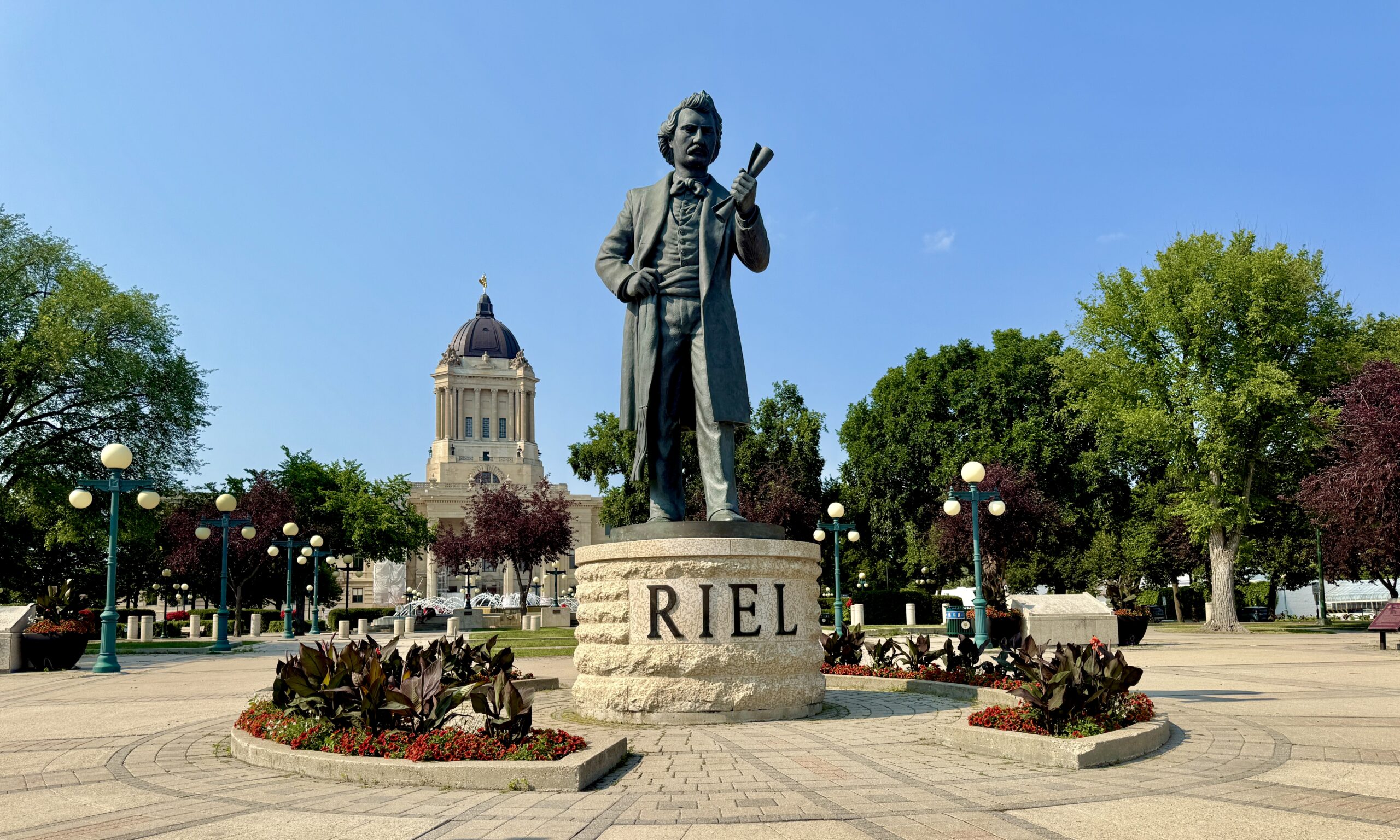
- The Red River Rebellion of 1869-70, led by Louise Riel (a Métis leader), played a key part in the creation of Manitoba as a province in 1870
- Today, Winnipeg has the largest Indigenous population of any city in Canada
What Is Indigenous Tourism?
In this guide, I’m going to heavily focus on Indigenous experiences and locations. But a question I’m often asked when talking about trips like this is: What is Indigenous tourism?
The term is used to identify travel experiences that are majority-owned, operated, or led by Indigenous peoples. Think guided tours, hotels, restaurants, and outdoor adventures where the ownership, storytelling, and profits all stay within Indigenous hands.
Looking specifically at Winnipeg, that might look like staying in an Indigenous-owned hotel, learning Red River history from a Métis guide, or paddling the Red River with an Indigenous-owned adventure company. It’s tourism that focuses on history, tradition, and connections, leaving you with a far stronger understanding of the place you’re visiting.
Where to Stay: Wyndham Garden Winnipeg Airport
Travelling a lot means I have seen many airport hotels, and after a while, they all start to blur together. You start in the same beige lobby, walk past the same forgettable art, and find yourself surrounded by the unmistakable “It’s fine, it’s close to my flight” energy. But it didn’t take me long to see that Wyndham Garden Winnipeg Airport is different.
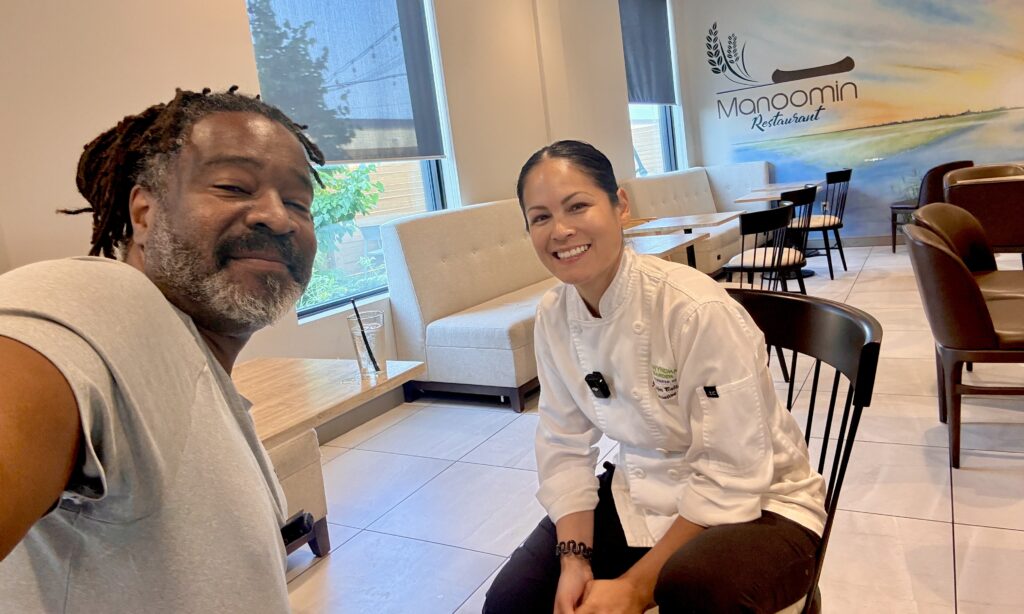
I had the opportunity to sit down with Director of Sales Rhonda Sumner over lunch, and she shared some insight into what makes this hotel so special.
Indigenous Influences Everywhere
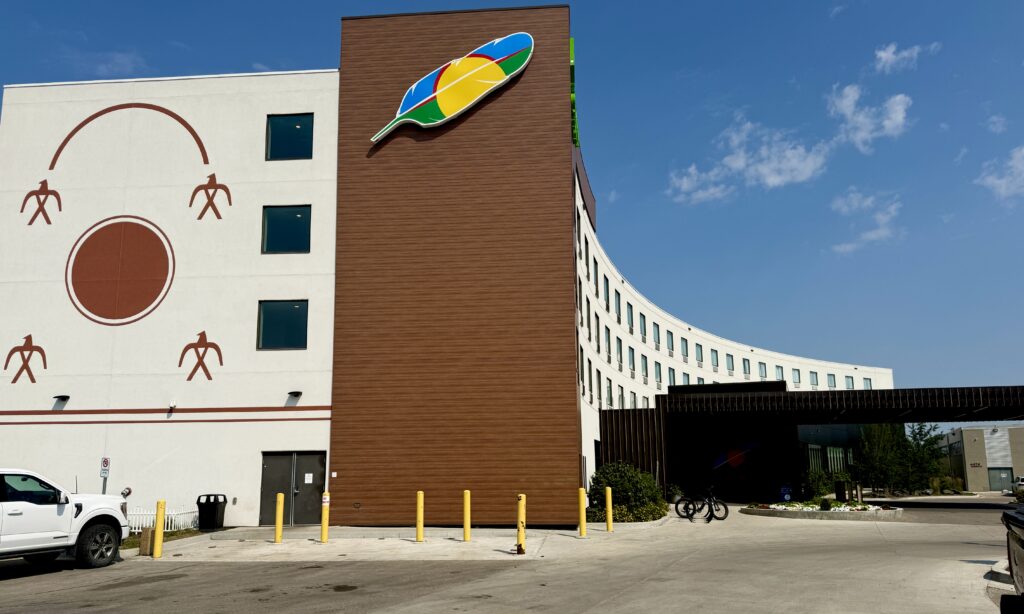
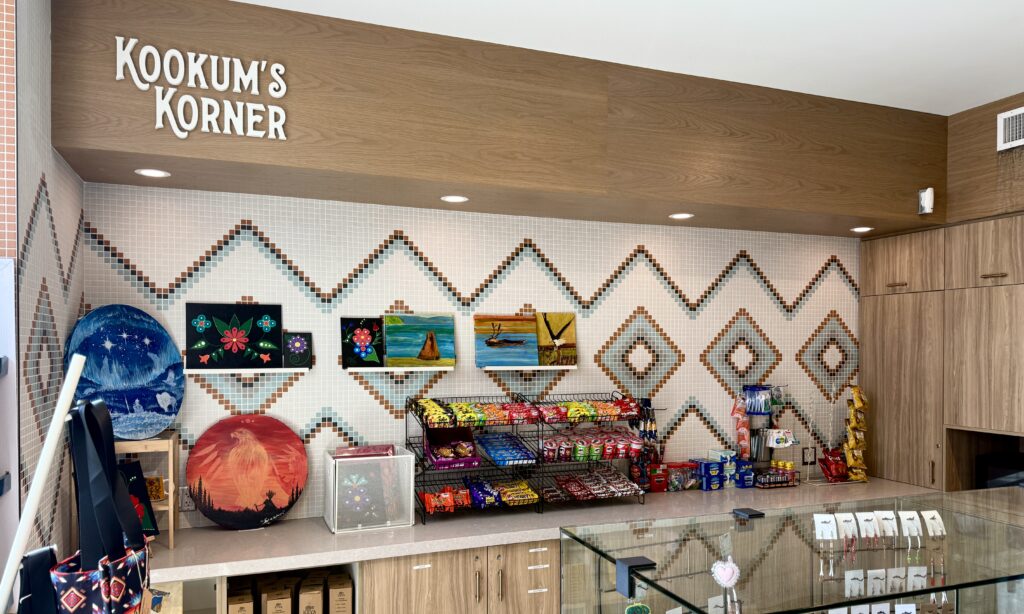
The hotel is located on the Madison Urban Reserve and owned by Long Plain First Nation. Indigenous culture has been woven into literally every corner. For example, the front doors were built facing east to greet the sun every morning. To your left as you walk in is Kookums Corner (“Kookum” means grandmother). It’s a space where First Nation and Metis makers sell all sorts of handmade gifts, such as jewelry, beadwork, moccasins, soap, candles, ribbon skirts, and medicines.
Behind the front desk, you’ll see the hotel’s Anishinaabe name: Odeakiing, meaning Heart, Mother, Home.
Every sign throughout the hotel is in English, Braille, and Ojibwe. On the main floor, they have installed heat detectors instead of smoke detectors so they can allow smudging and other ceremonies on site. There’s a roundish Knowledge Keeper (Elder) room on the main floor that seats 5 and features the Seven Teachings, painted by artist Garry Meeches.
A Surprise Art Tour
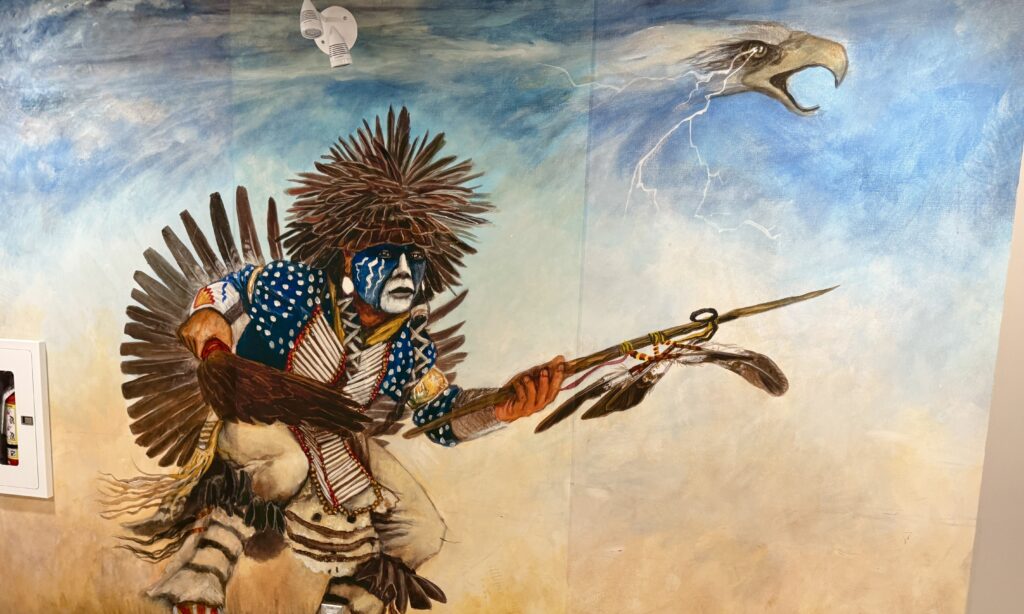
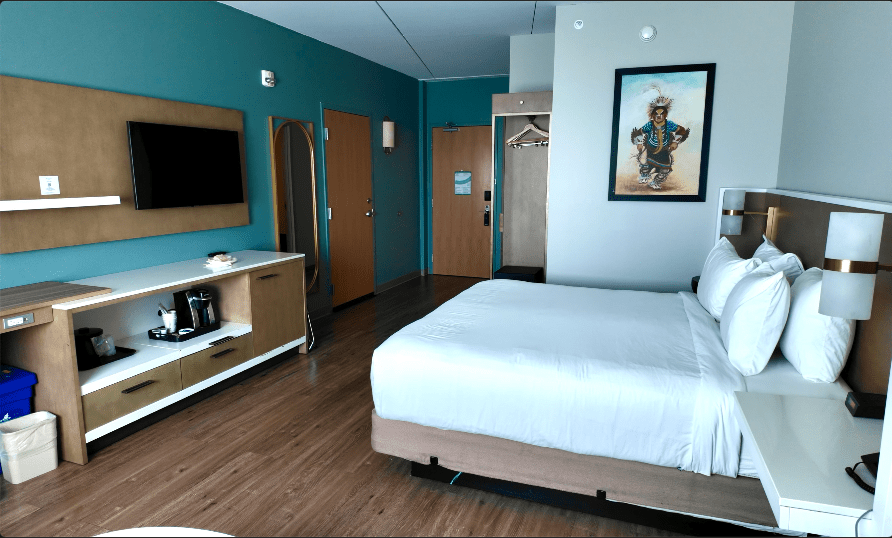
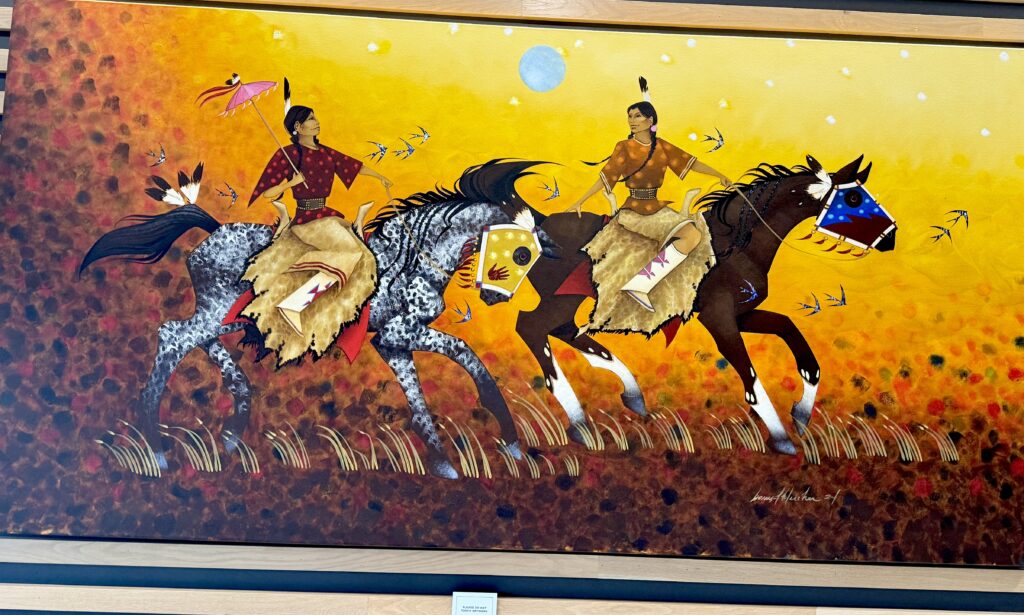
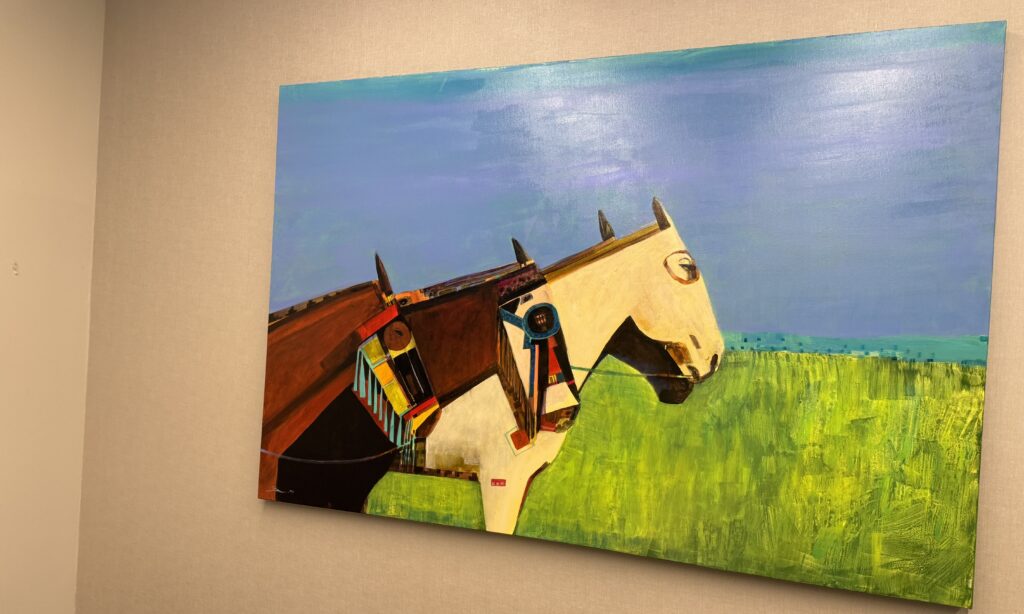
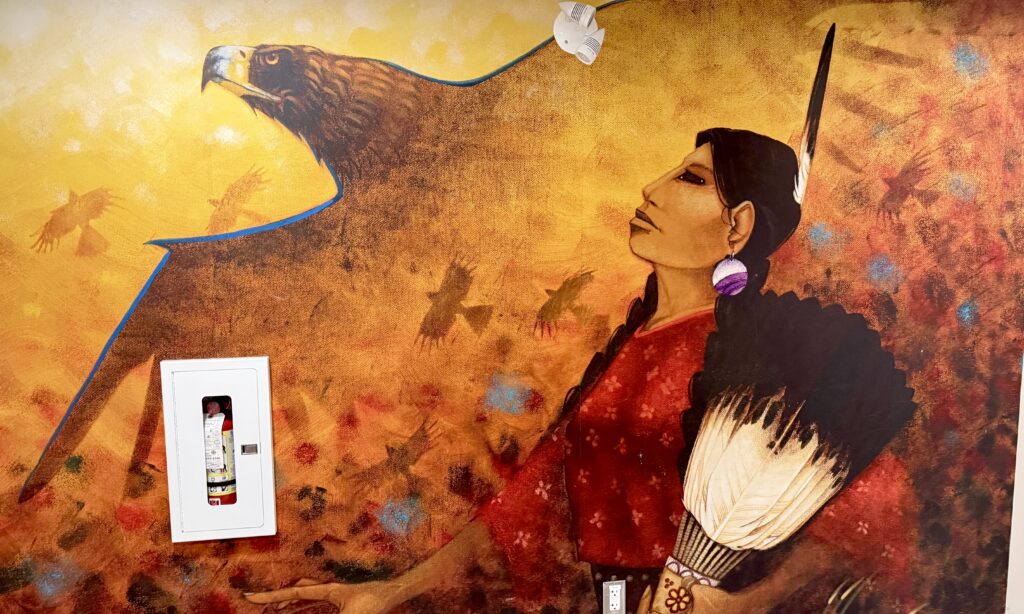
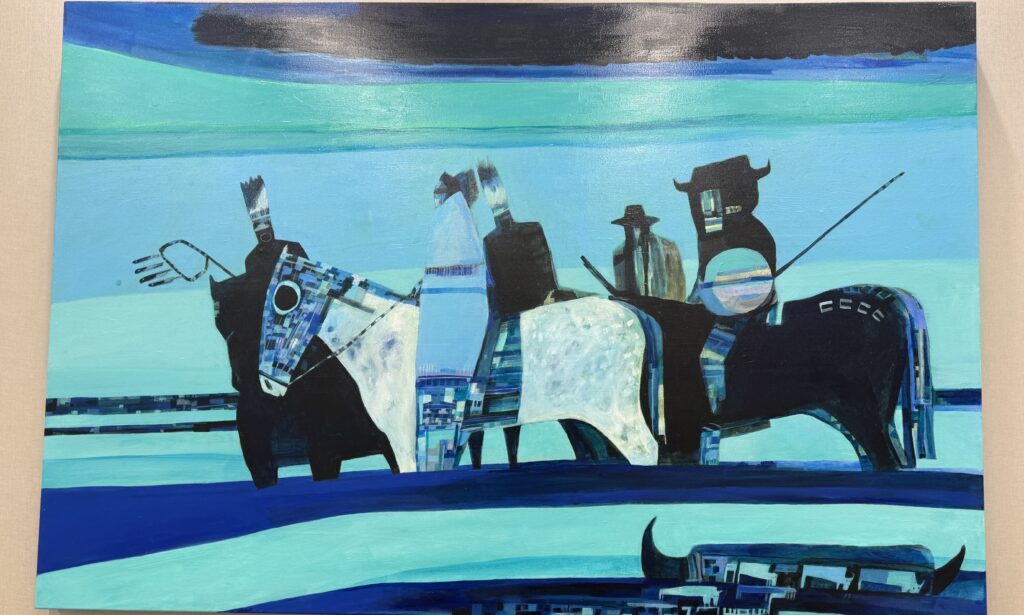
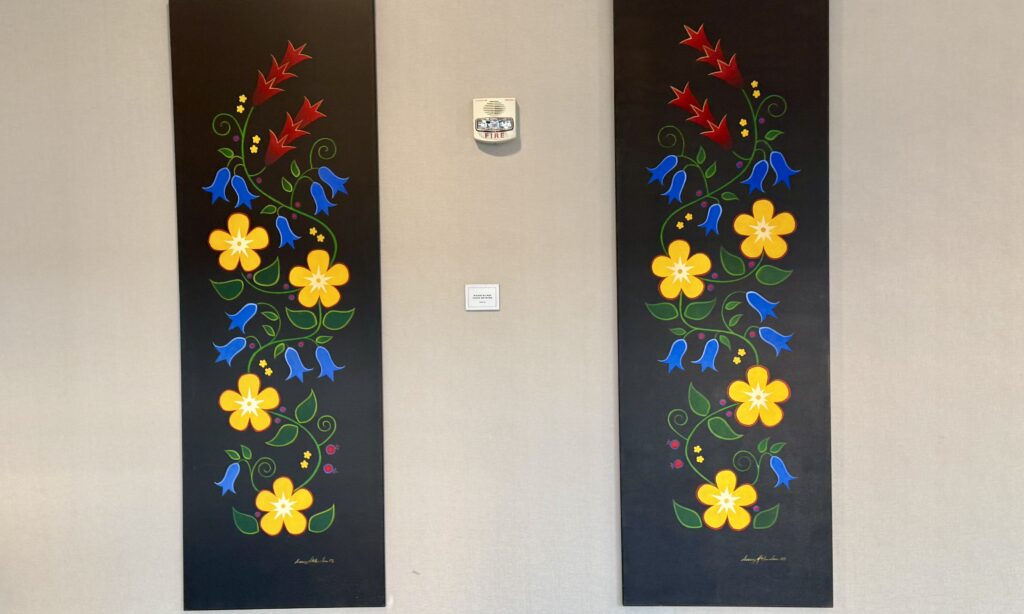
Speaking of the Seven Teachings, if you’re looking forward to seeing Indigenous art in Winnipeg, you honestly don’t need to leave the hotel! The whole building doubles as a working gallery. I actually ran into Allan, the maintenance manager, one morning when running downstairs to get coffee, and he ended up giving me an impromptu tour of the Indigenous art throughout the hotel. I saw main-floor pieces by Garry Meeches and Linus Woods, guestroom art and floor murals by Linus, Garry, and Cyril Assiniboine, and a restaurant mural by Elle Mcpherson.
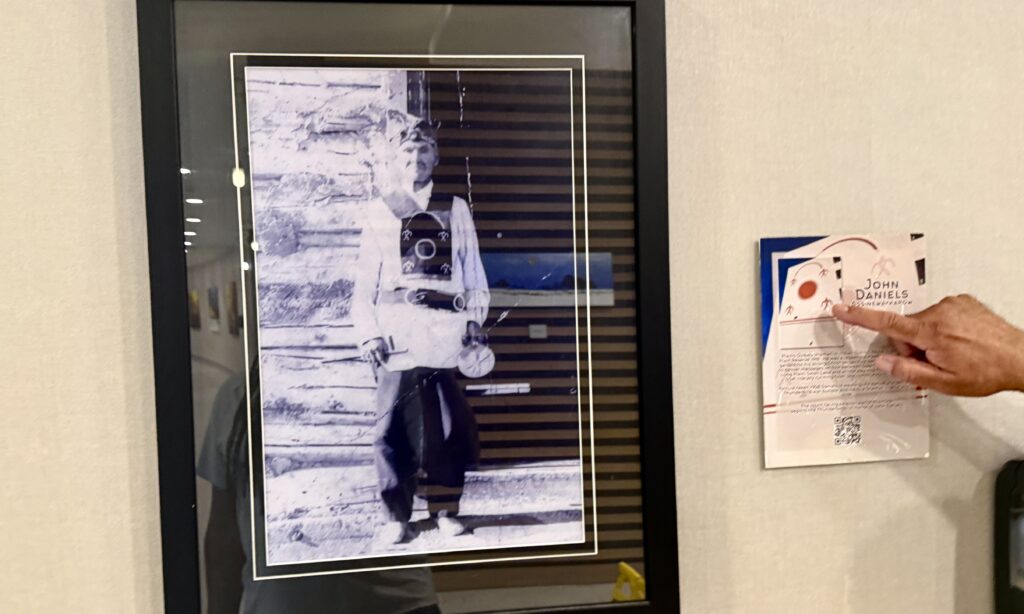
I also learned the story behind the Thunderbird logo on the side of the building during my stay. It honours John Daniels, a healer from Long Plain who travelled community to community wearing the Thunderbird on his tunic. His grandsons, Earnie and David Daniels, still perform the ceremony at the hotel today. His great-grandson Allan is the hotel’s Maintenance Manager (yes, the same Allan who gave me the art tour). His two sons also work alongside him. It’s a full circle of life under one roof.
Manoomin Restaurant
And then there’s the food.
I had the opportunity to interview Chef Jennifer Ballantyne for the podcast and taste some of the incredible food she prepared. Before ordering, I already had an idea of what I wanted. My goal was to have as much bison as possible; after all, we don’t have that option often in Ontario!
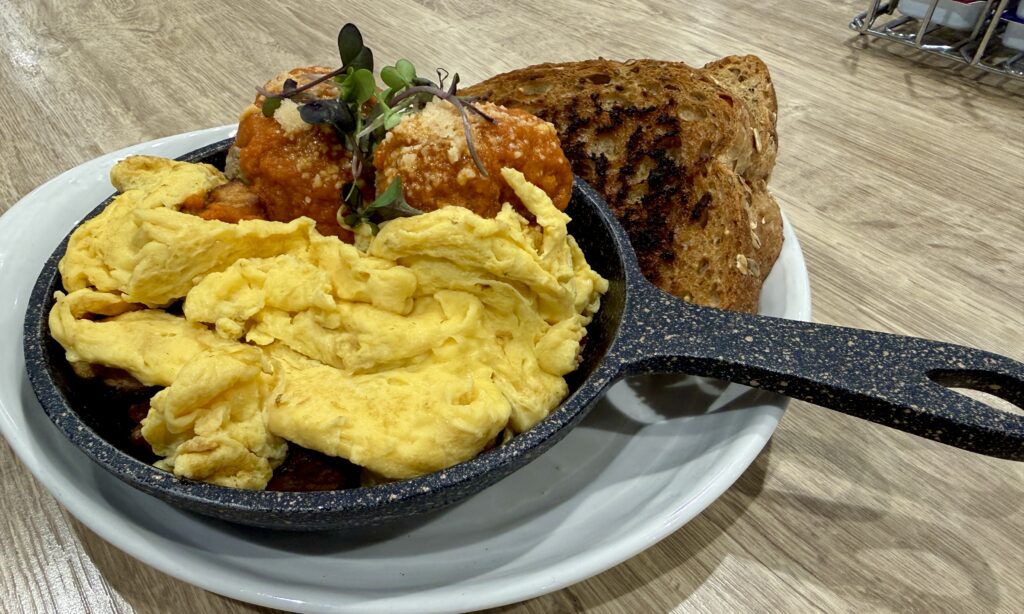
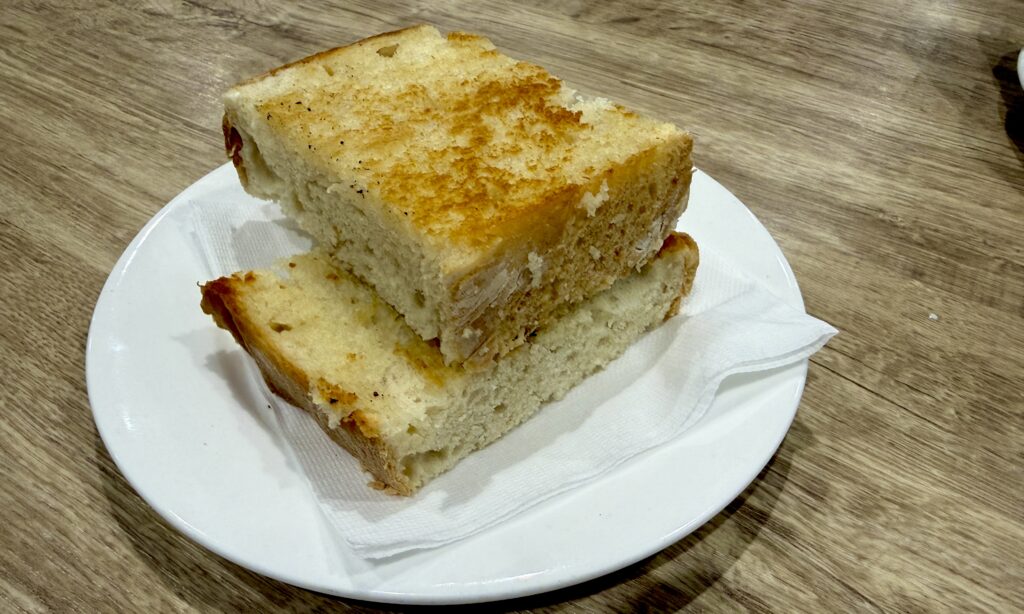
For breakfast, I had the Bison Skillet (2 Nature’s Farm fresh eggs, seasoned bison meatballs, fire-roasted tomato sauce, grated parmesan cheese, house-cut deep-fried hashbrowns, and grilled harvest grain bread).
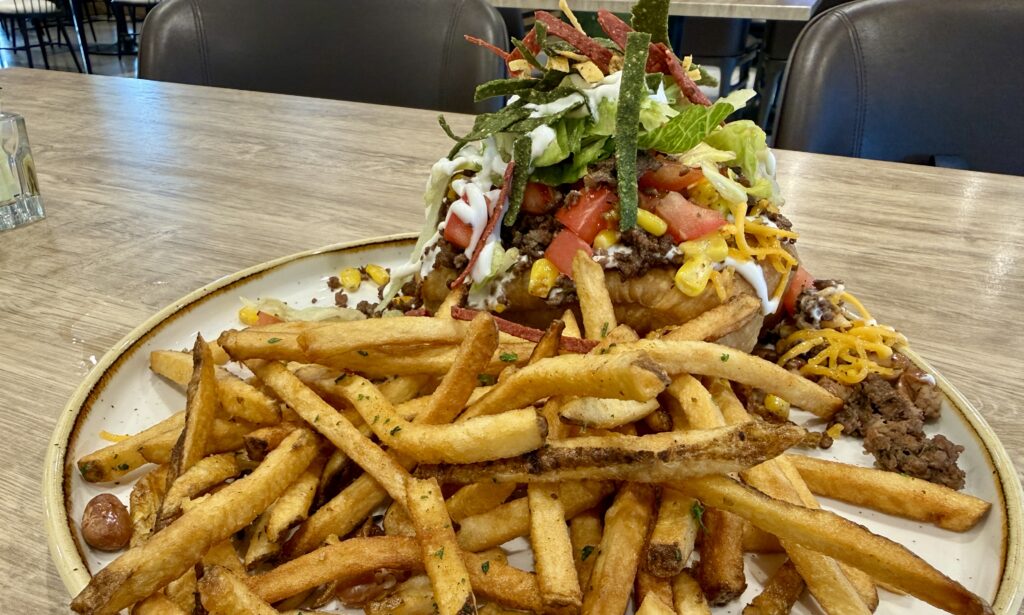
At lunch, I tried the Bannock Taco (house-fried Bannock, ground bison and beef, seasoned beans, grilled corn, diced tomatoes, fresh iceberg lettuce, crispy tortillas, sour cream, shredded Bothwell cheddar, and salsa. The way that bison was seasoned, oh man… I can’t recommend it enough! It’s still living rent-free in my head.
Learn the Land’s History: Guided Walks
The best way to really understand Winnipeg is on foot, with someone who actually knows the ground you’re standing on. During my trip, I took part in two walking tours, and they turned out to be some of the most eye-opening hours of the entire trip. Our time was full of history and stories we never would have found on our own.
Turtle Tours
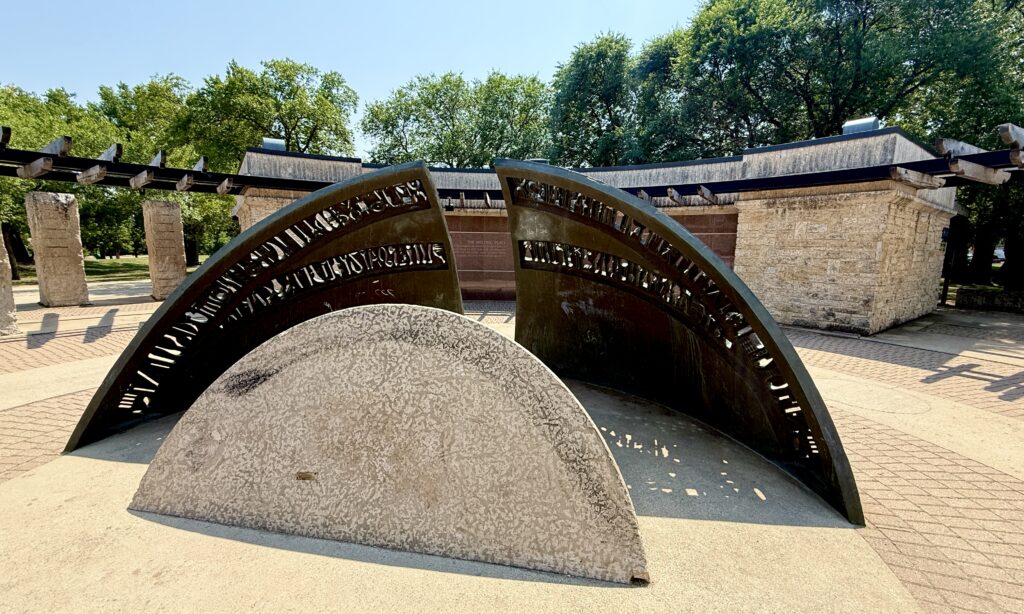
To kick off your trip, it’s worth understanding more about the ground you’re standing on, and there’s no better way to do this than a walk with Turtle Tours. This 45-minute walking tour will take you around land that has served as a gathering place for Indigenous peoples for thousands of years.
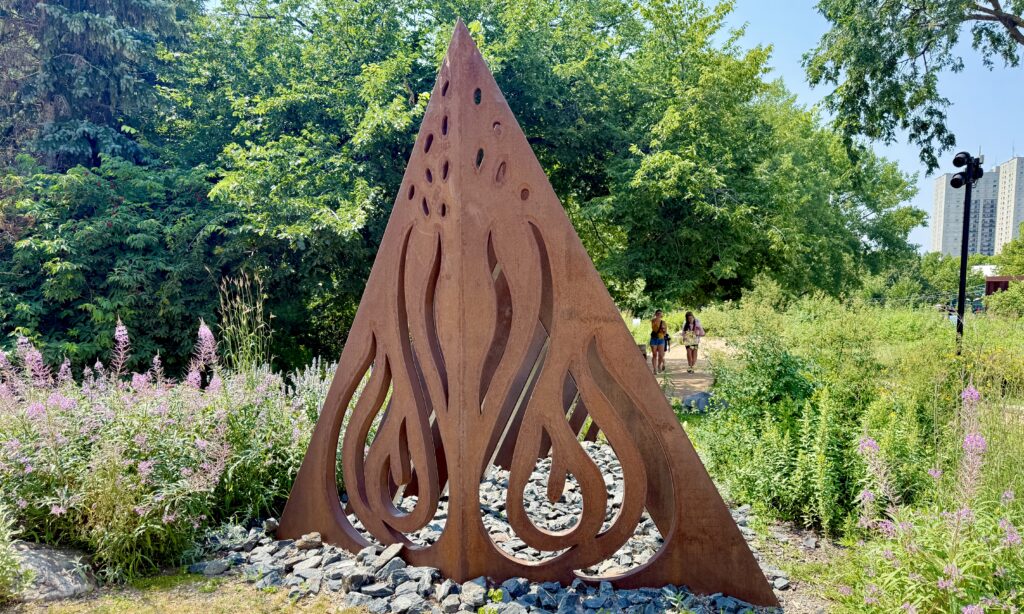
Turtle Tours is owned and operated by Ashley Smith, an award-winning Anishinaabe Ikwe tourism operator. The tours are led by Ashley herself, her daughters, and other engaging and knowledgeable guides, each passionate about sharing Indigenous history and context you genuinely won’t find in a textbook.
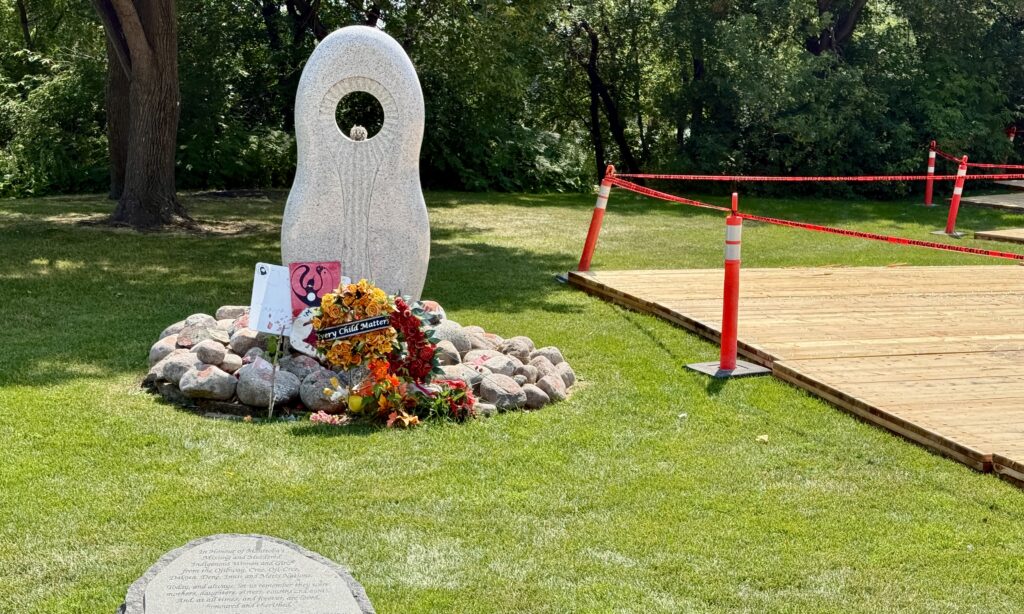
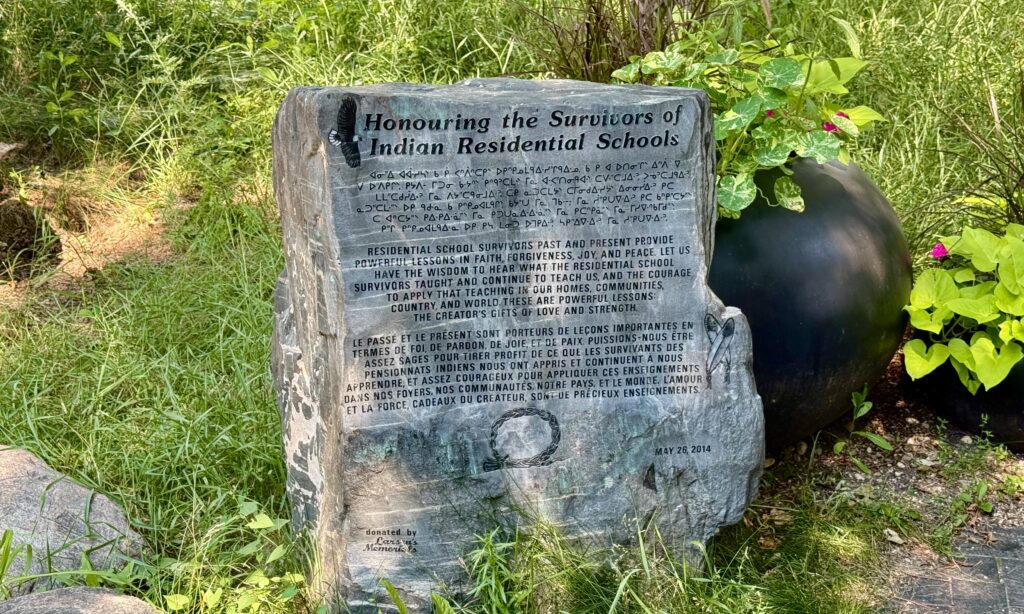
Our tour was led by Chris Barrett, and his knowledge and insight really made the walk! You could see his face light up as he shared stories about his great-great-grandfather, Chief Peguis.
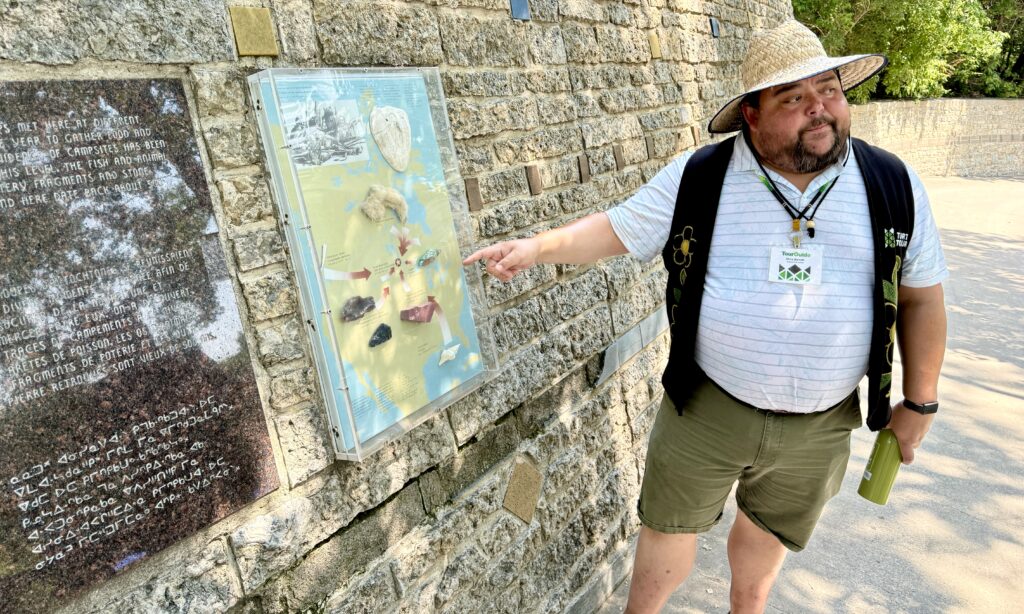
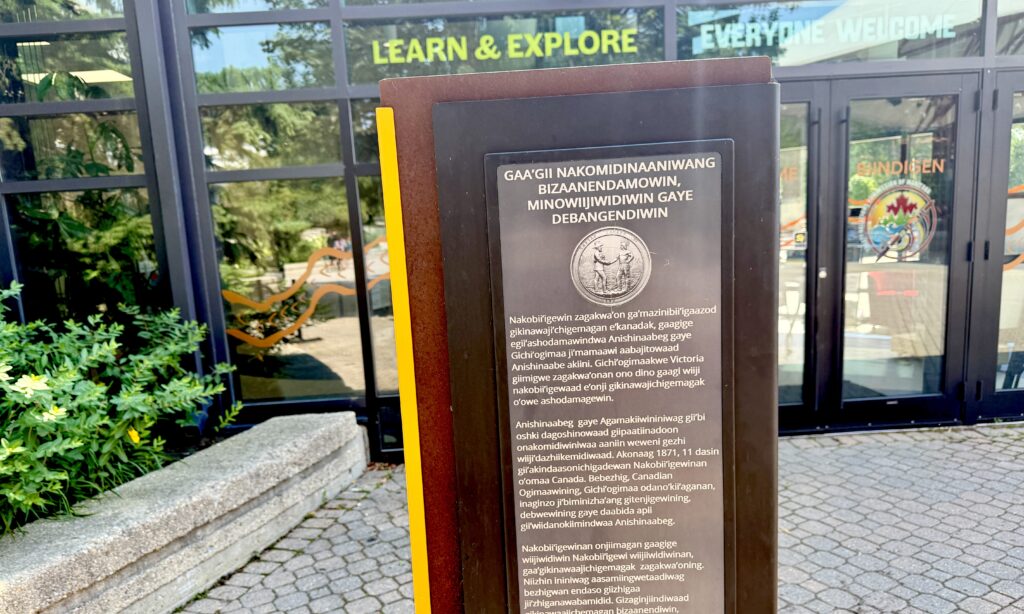
Ashley’s daughter Jaylee was on-site. The two of us ended up talking long after the tour wrapped, discussing podcasting, the Indigenous-led stories I’ve covered from Quebec to Saskatchewan, and what it means to actually hold space for these histories rather than just check a box. It was a powerful conversation.
Moccasin Walk
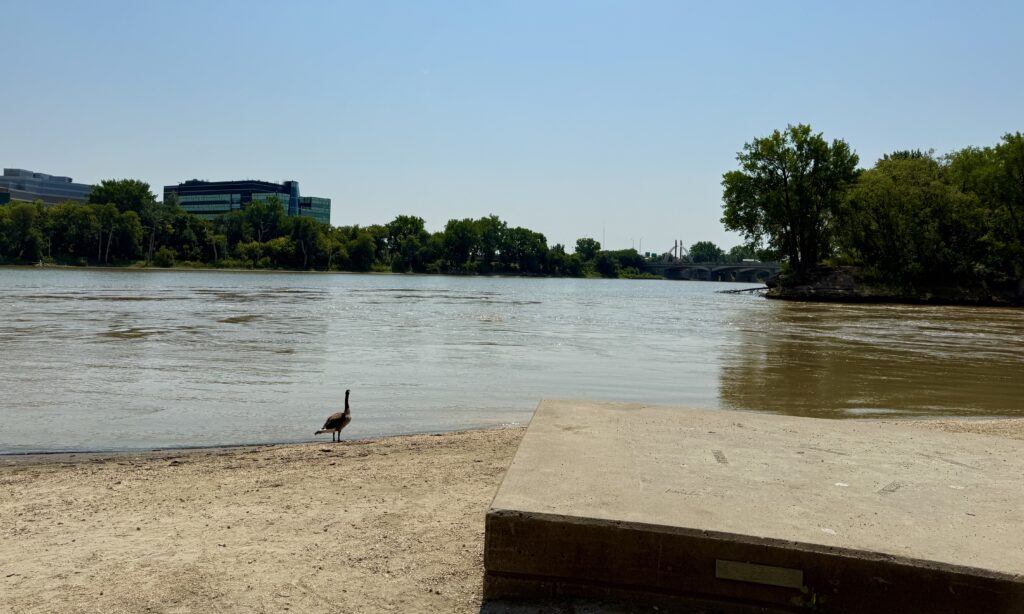
The Moccasin Walk lasts about an hour and is focused on sharing the stories of the Métis “of the Red River.” You’ll learn about MacDoug, a well-known ferry operator with a heart for his people, the heartbreaking tale of Elzéar Goulet, the large buffalo hunts that were held in the area (and how the Métis governed themselves), and the early millers who helped build the local economy.
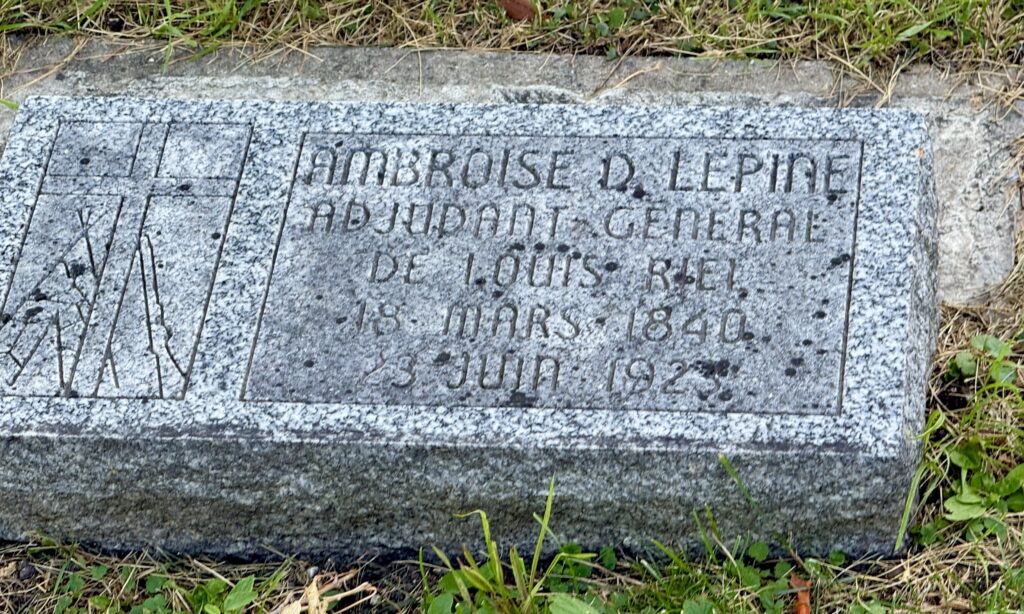
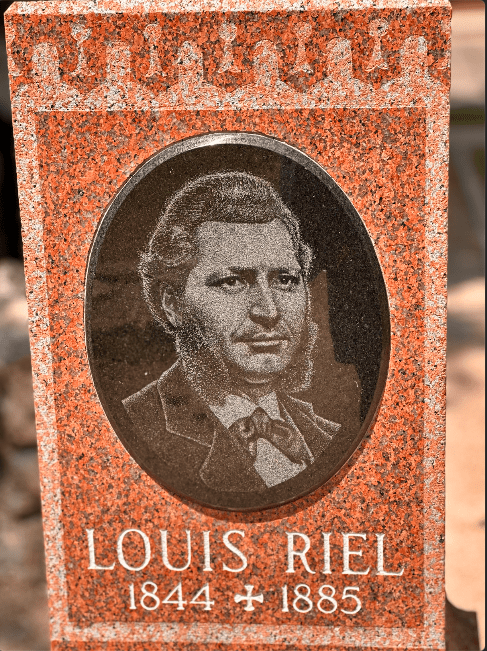
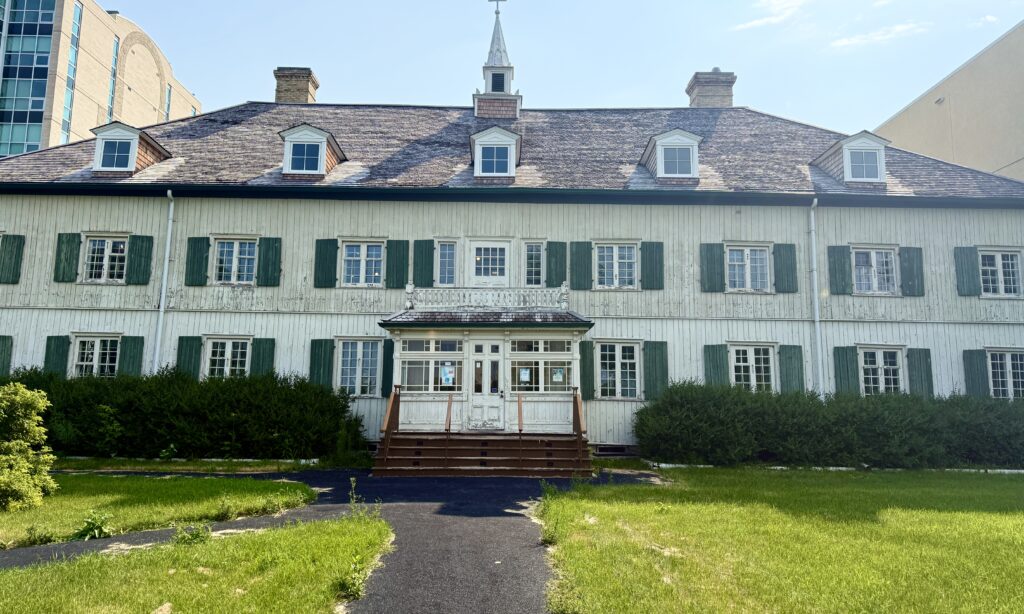
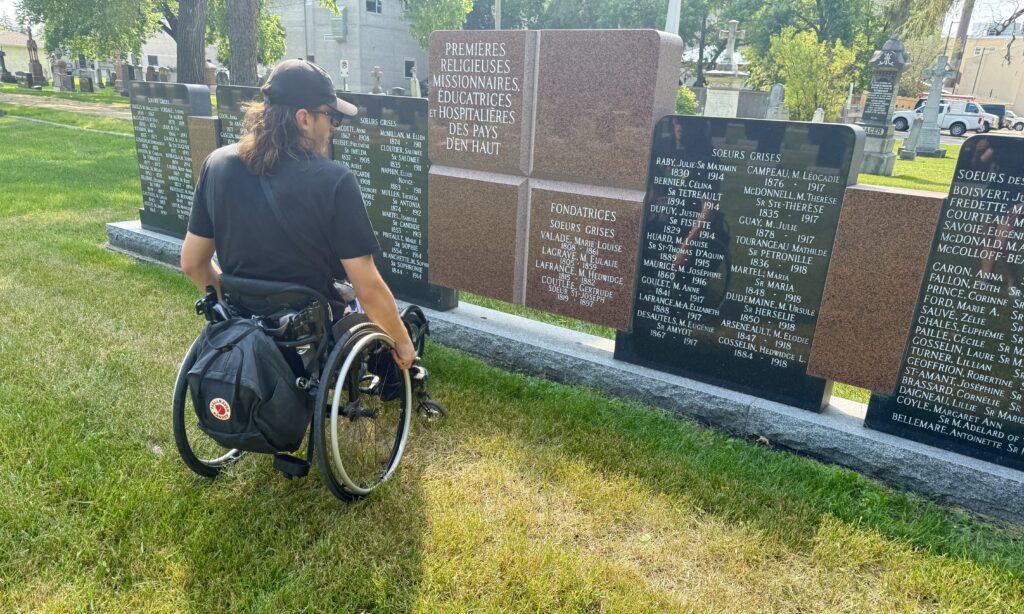
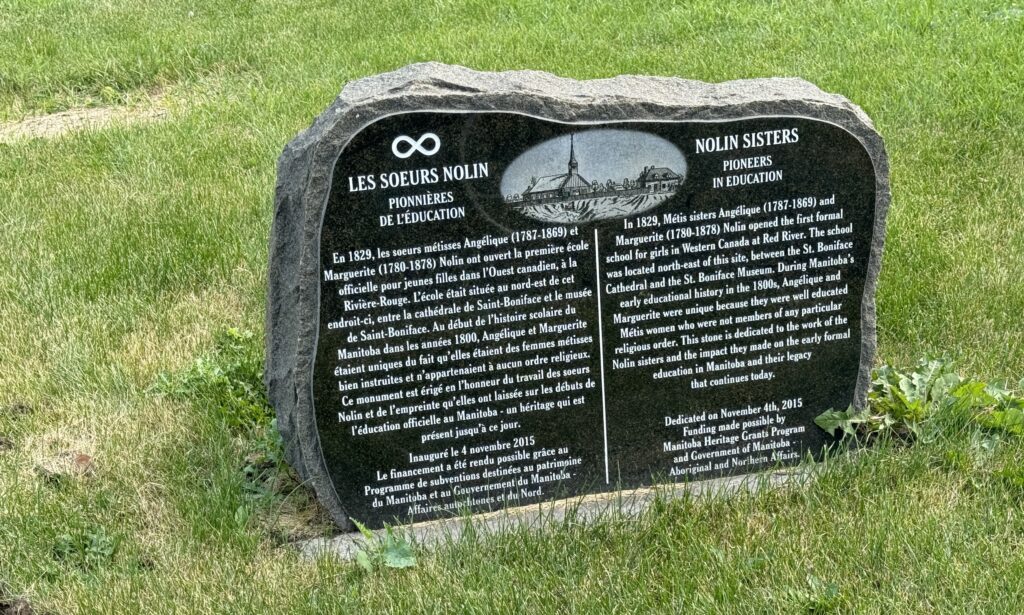
Our guide was Mateo, joined by Arianna, a future guide in training. Both are Métis, and both have direct lineage tied to Louis Riel. Arianna’s ancestor was actually Riel’s lawyer. When Arianna learned her spirit animal was the raven, she also learned her purpose was to be the “keeper of the stories.” Being a tour guide is a pretty fitting way to live that out.
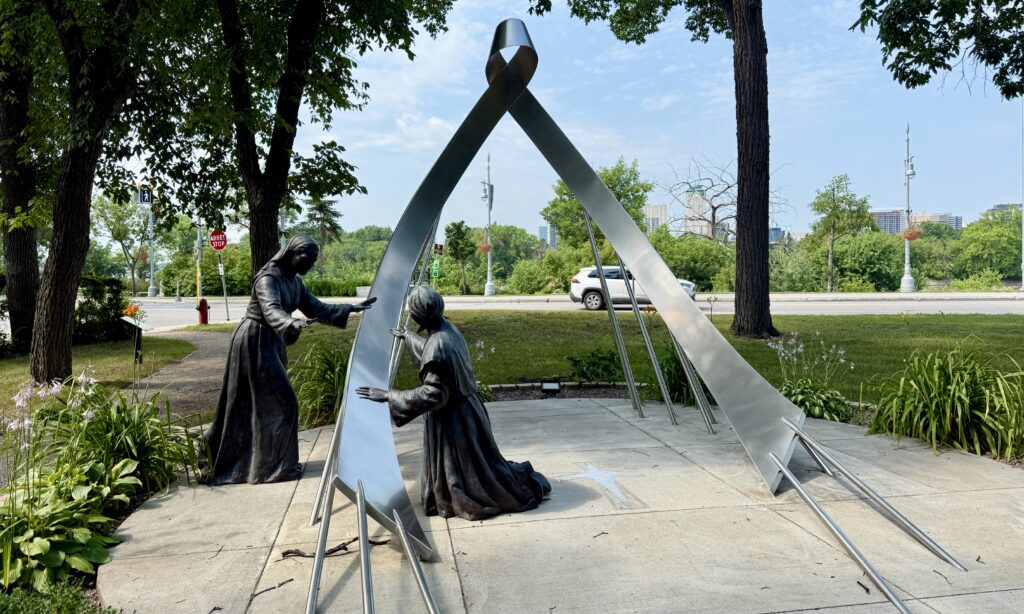
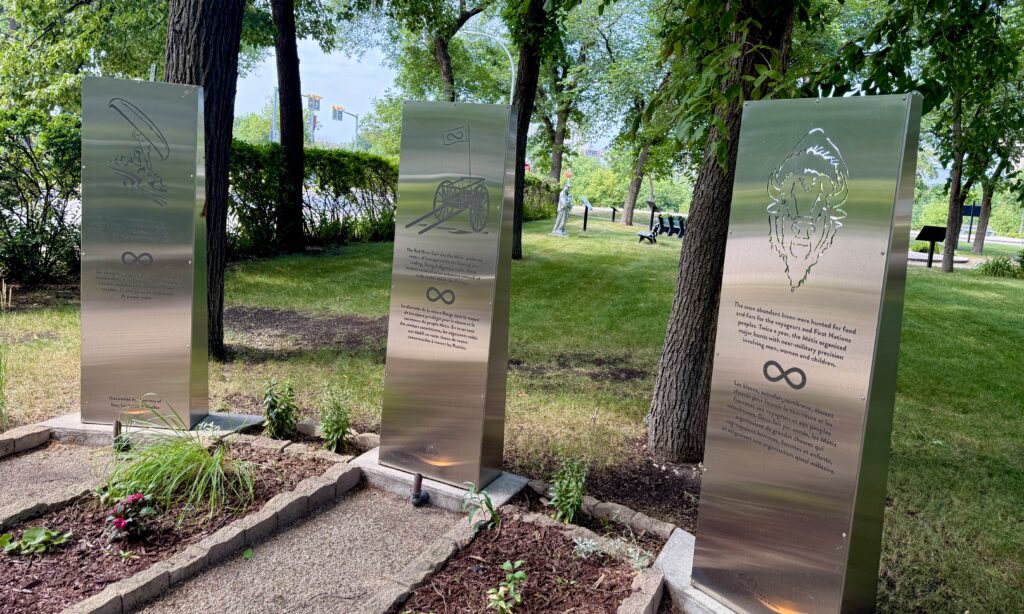
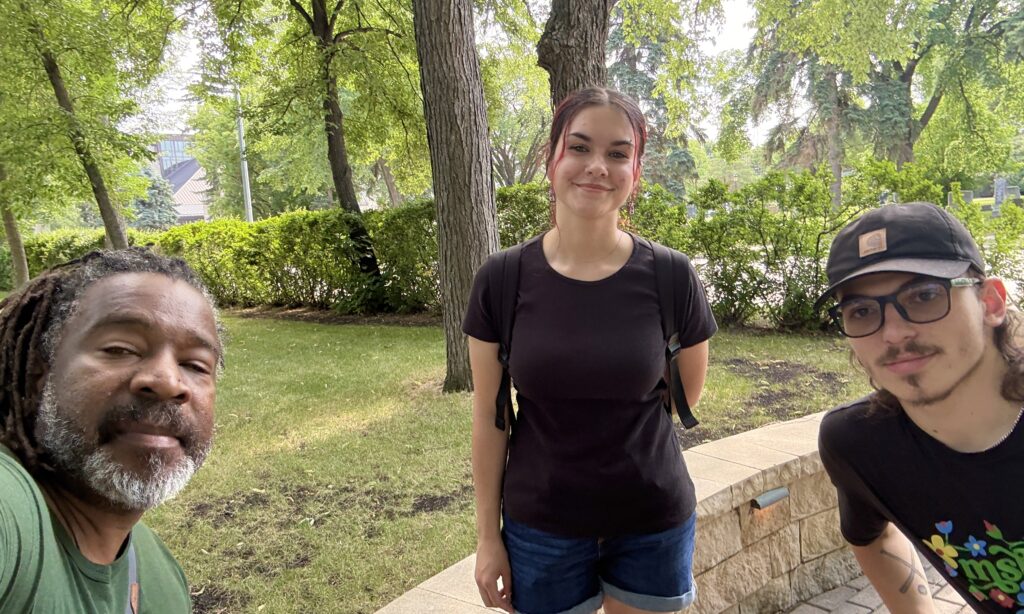
If you’re looking to experience Indigenous tourism in Manitoba, this walk is about as good a starting point as you’ll find.
Taste Indigenous & Métis Food and Drink
One of my favourite ways to really experience another culture is through the food, and Winnipeg’s Indigenous and Métis-led food scene didn’t disappoint. From bison short rib to Bannock pizza to a brewery named after a 17th-century ship, every stop here is run by someone sharing their history and culture with you either on your plate or in your glass.
Feast Café Bistro
Feast Café Bistro is one of the only Indigenous-owned and operated restaurants in Canada dedicated specifically to First Nations cuisine. But it’s not resting on that distinction; the food here is genuinely amazing and well worth a visit. If you’re looking for an Indigenous restaurant in Winnipeg, this is the one to build your trip around.
Chef/owner Christa Bruneau-Guenther has appeared as a judge on Top Chef Canada and Wall of Chefs. She has crafted a menu that really features traditional flavours and local ingredients, including squash pizza, pickerel sliders, Saskatoon berry smoothies, elk stew, and more.
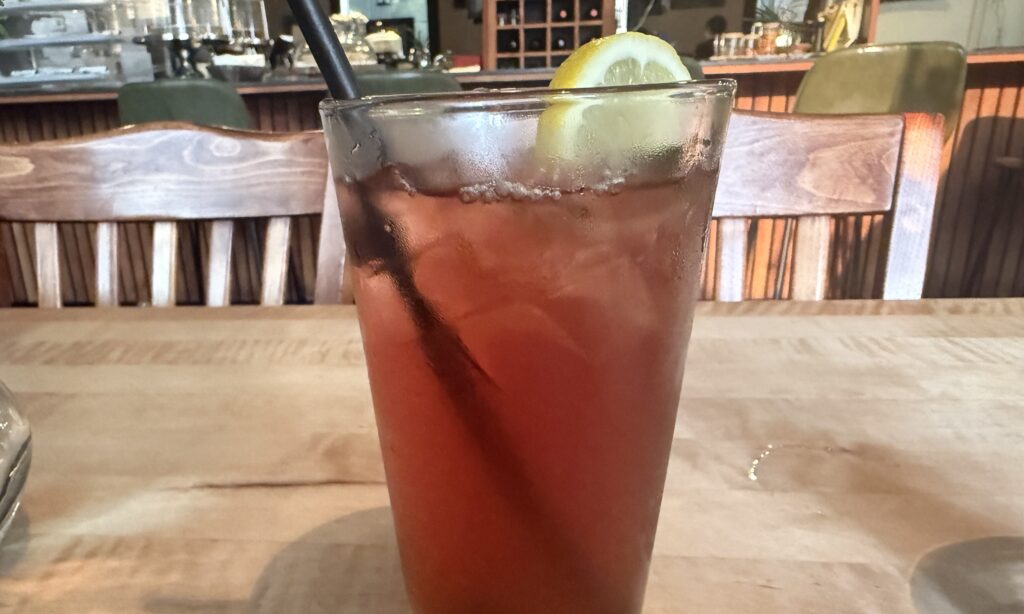
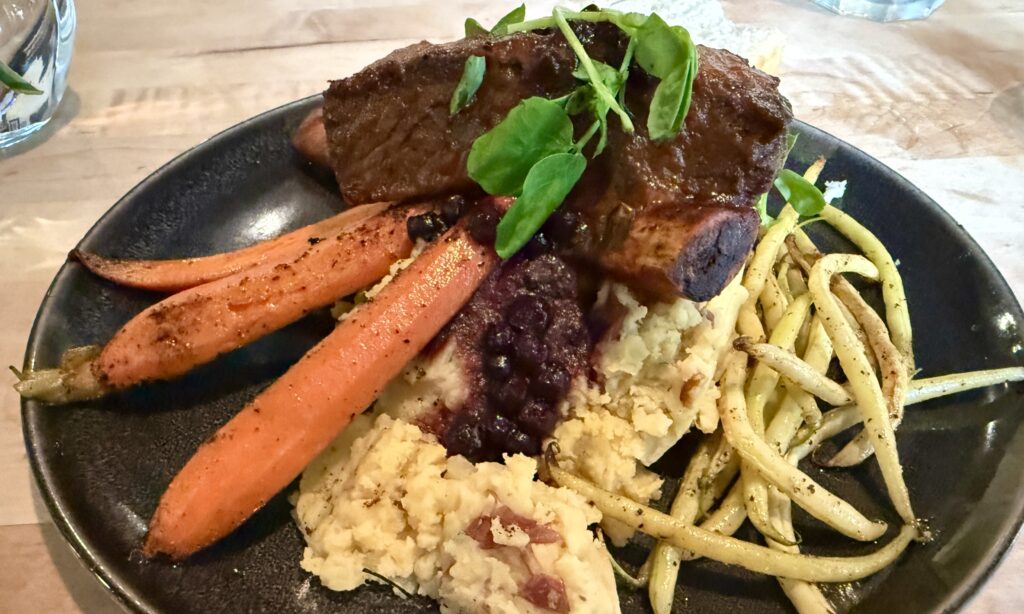
I’ve eaten here before, so I knew exactly what I was planning to order when I walked in: the Braised Bison Short Rib with smoked wild blueberries and juniper maple demi-glace.
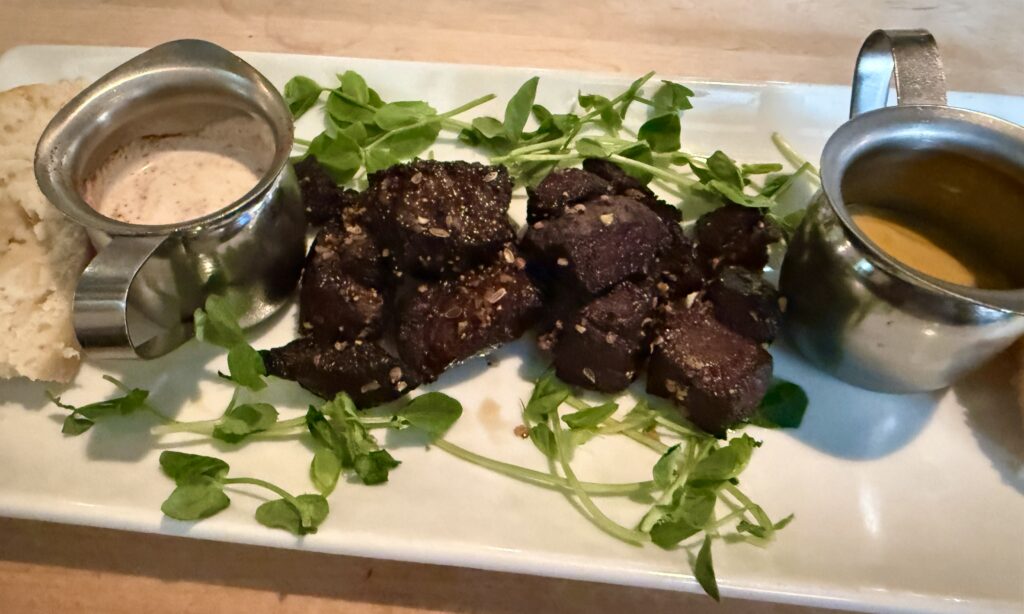
Her bannock pizzas are also not to be missed. Our paddling guide (you’ll hear more about him later) told us he used to order her frozen ones during the pandemic and loved them so much he taught himself to make them from scratch.
Fair warning: we always eat so well here that we need to be rolled out the front door.
La Brasserie Nonsuch Brewing Co.
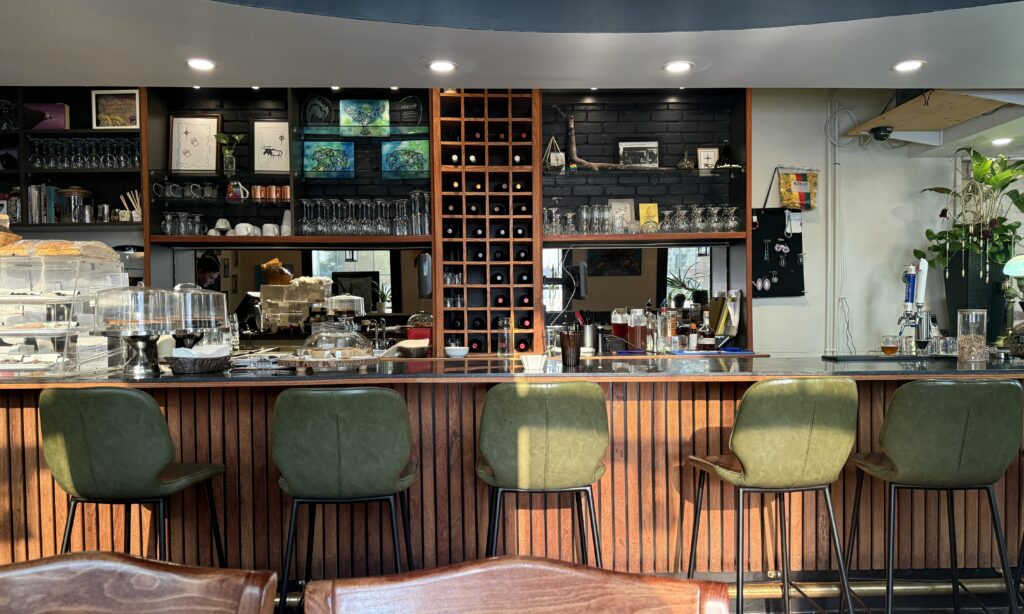
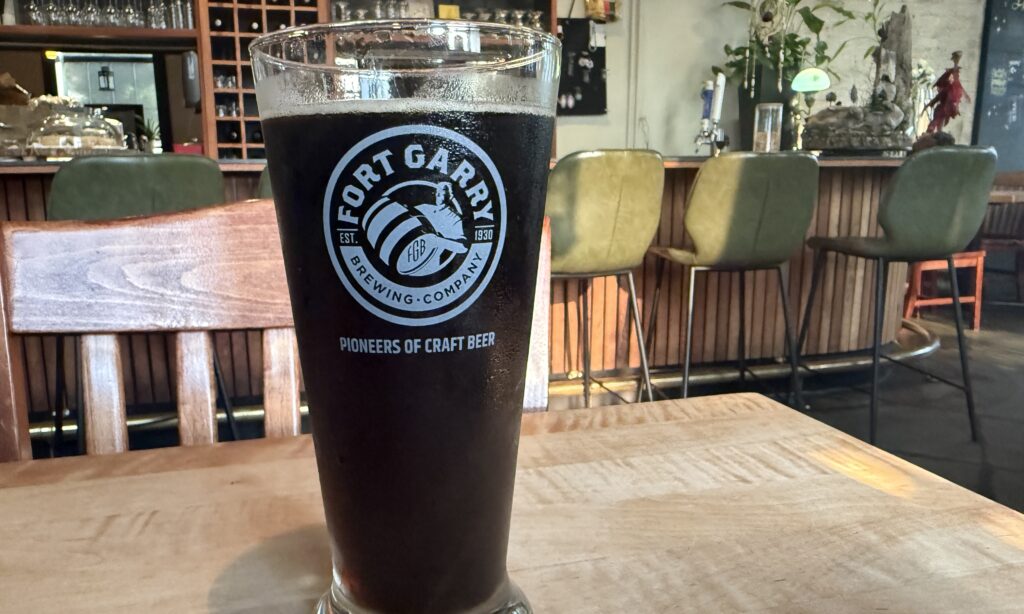
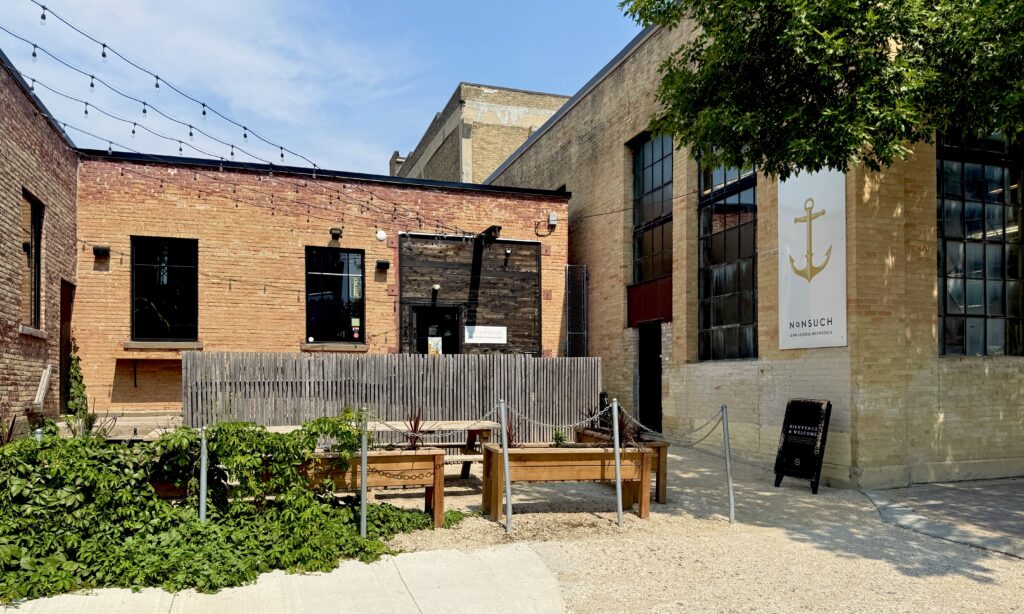
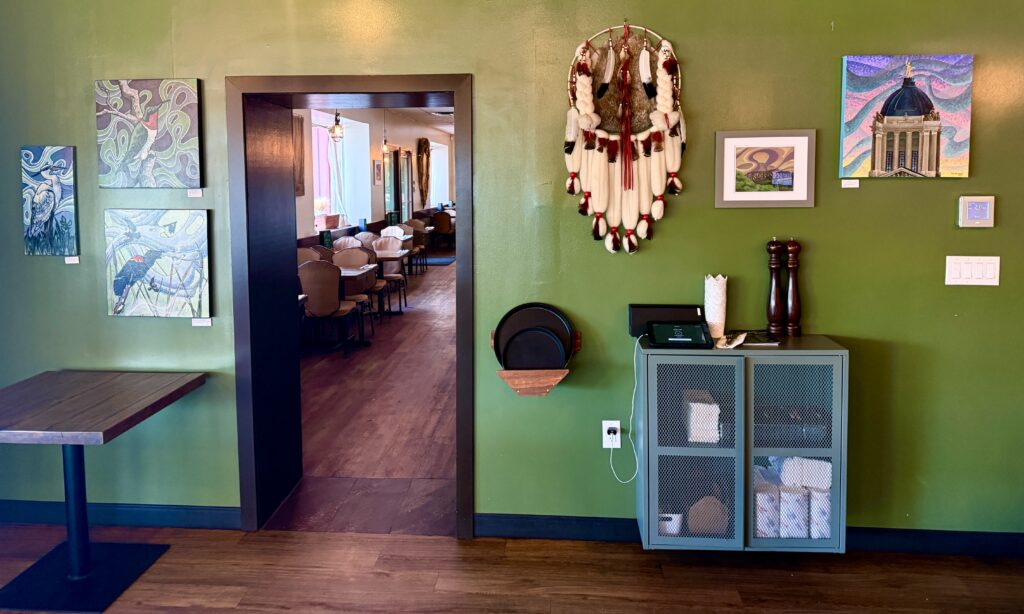
Located in the Exchange District, La Brasserie Nonsuch Brewing Co. is Métis-majority owned by Matthew Sabourin. The brewery is named after a historic ship that sailed from England to Hudson Bay, and its gorgeous green interior will make you want to settle in for a few hours.
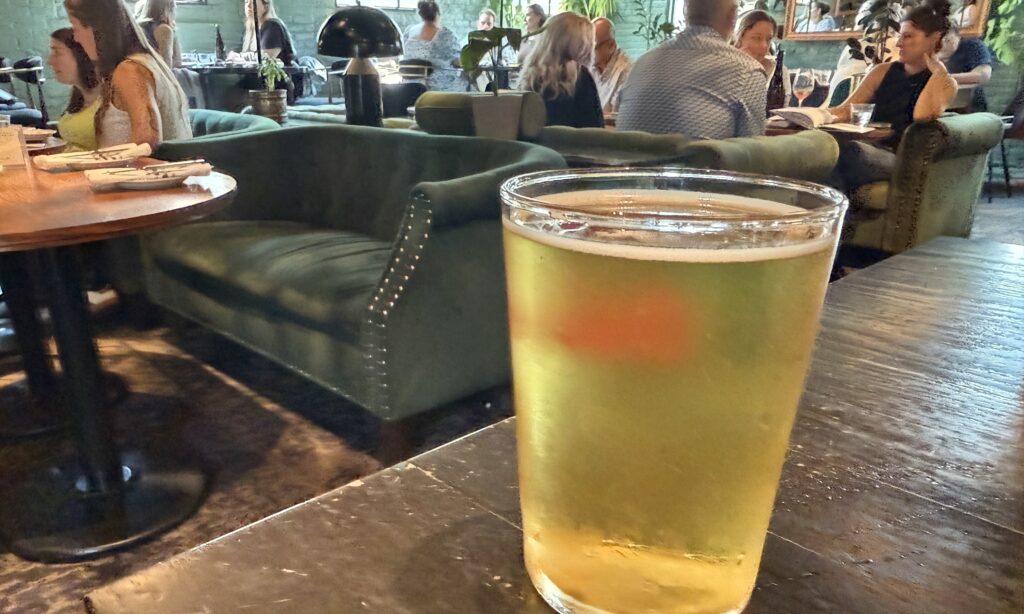
The beer options include award-winning Belgian-style, higher-ABV brews and the changing menu includes house-smoked and marinated olives, house-cured charcuterie, pickled vegetables, and daily baked bread.
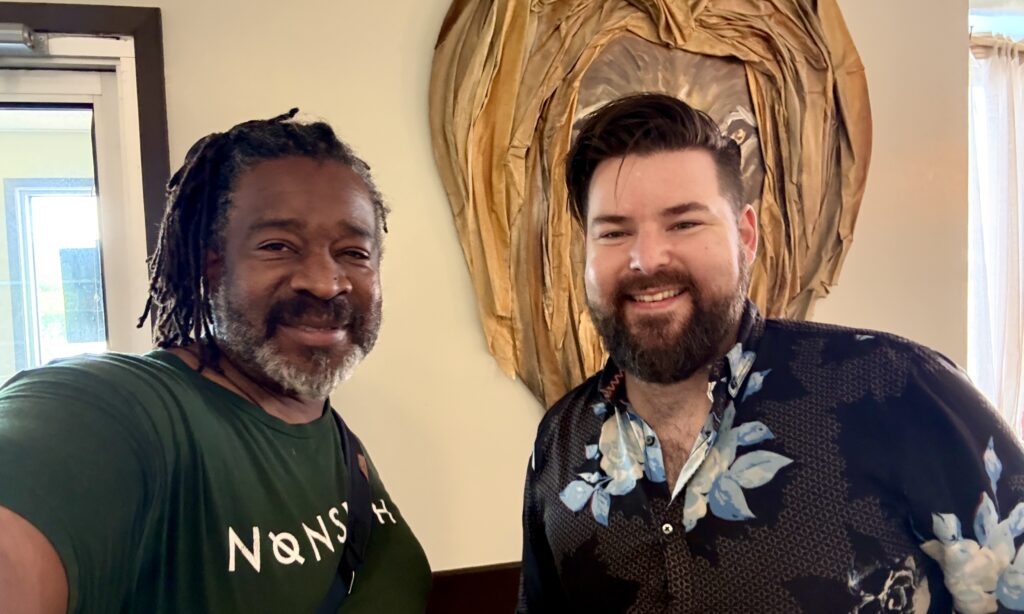
I loved this place, its welcoming atmosphere, and its incredible staff so much that I bought the shirt last time we visited and wore it again for round two. The vibe here is just *right*.
Promenade Brasserie
Located in the heart of Saint-Boniface, Promenade Brasserie is a great example of Winnipeg’s brunch scene, which I fell in love with on my last visit. Chef/owner Jay Lekopoy draws on his Métis-Francophone heritage to create a menu that is packed with bold, spice-forward options. The dining room and patio both offer great views, overlooking the downtown skyline and the Red River, so you can’t go wrong either way.
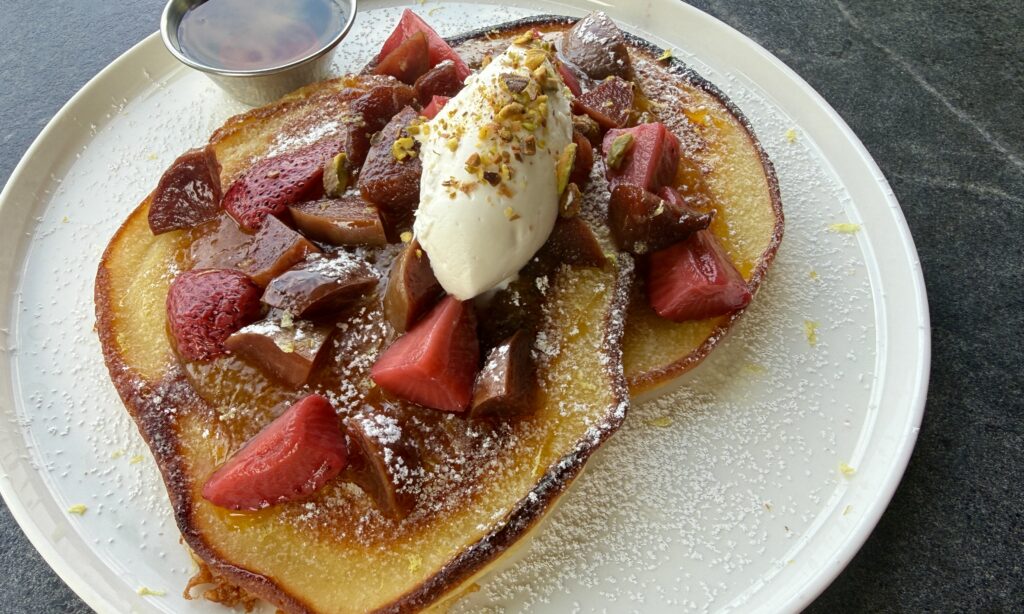
I ordered pancakes, which were layered with pickled strawberries, pickled plums, apricot jam, and maple syrup. After breakfast, I sat down with Jay Lekopoy to talk about what it means to actively embrace his Métis roots through the restaurant. Look for him to be featured in a podcast episode for season 3 in April 2027.
Sharecuterie at The Forks
We covered The Forks Market in our original guide, but I couldn’t share a list of Indigenous restaurants in Winnipeg without mentioning one of the businesses I met here: Sharecuterie. This Indigenous-owned business includes a food vendor booth at the market as well as their brick-and-mortar spot, Sharecuterie Cafe & Cocktail Bar, on Stafford St. I recommend grabbing one of their Mini Sharecuterie Cups to munch on while you explore the many shops at the market.
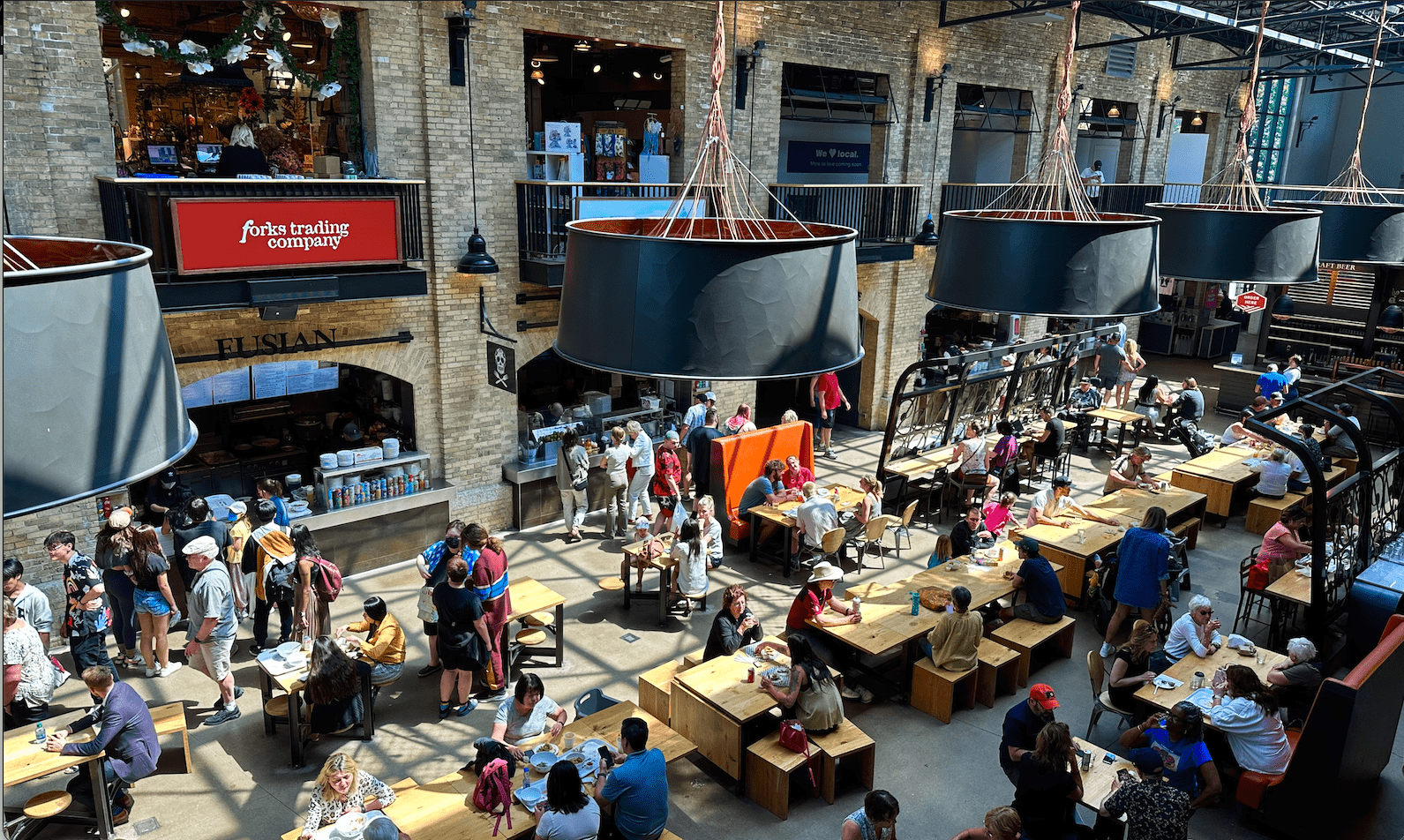
You can also join in on a Parks Canada walking tour to learn about the history of this traditional meeting place. This is one of the Indigenous experiences I really enjoyed on my first trip. For more information about that, check out my previous Winnipeg travel guide.
Get Outdoors: Paddling with Wild Loon Adventure Company
If you only do one thing in this guide, make it this one.
Wild Loon Adventure Company is an Indigenous-owned outdoor adventure company run by Garrett Fache, focused on Indigenous conservation methods, environmental stewardship, and creating outdoor spaces that make everyone feel welcome. In 2024, Wild Loon was awarded Sustainable Tourism Business of the Year at the Canadian Tourism Awards, a recognition that is well deserved and beautifully represents Indigenous tourism in Canada. After spending a morning on the water with Garrett, that award makes complete sense.
We launched from the boat launch at St. Vital Park, paddled upstream along the Red River, then turned around and let the current do most of the work heading back (the smart way to plan a paddle route, if you ask me).
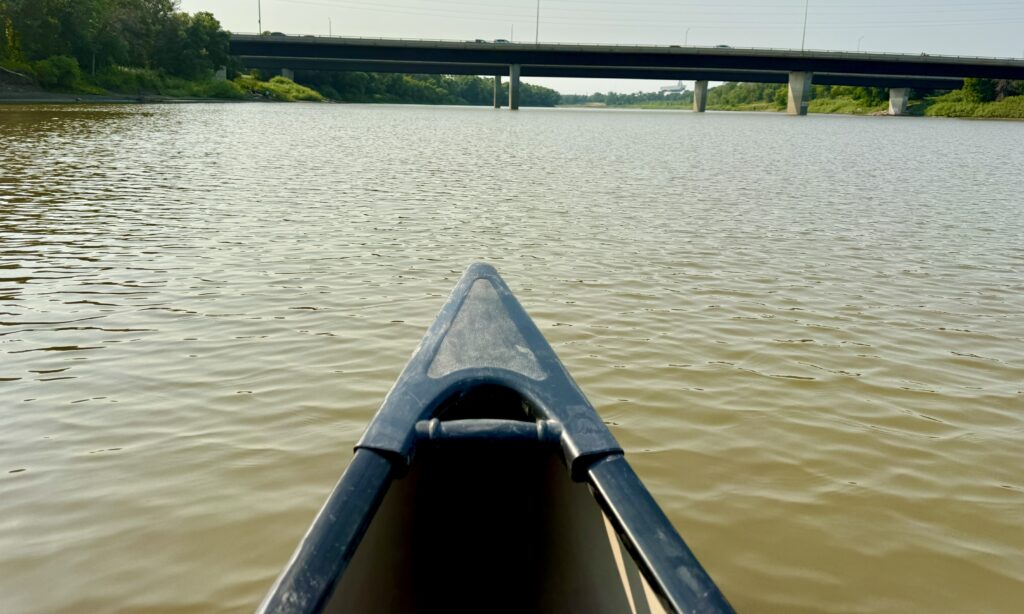
But the best part about the experience was the conversation. Garrett talked about growing up knowing he was Métis but not fully embracing that identity until his twenties, and about what he calls “unlearning,” specifically, recognizing the subtle language used in textbooks and the impact that language has. For example, wars involving British, French, or American soldiers get called “battles.” Meanwhile, wars involving Indigenous peoples get called “massacres.” Same violence, completely different framing. Words matter, and once you notice it, you can’t stop noticing it.
He also talked about what makes his tours unique: rather than teaching the government’s version of environmental responsibility (throw your trash away, don’t disturb the wildlife), he teaches people to treat nature like a close friend, through the lens of his Métis heritage. Instead of thinking “I’m just one person, what difference can I make?” it challenges people to recognize that there are a million other people thinking the exact same thing, at the exact same time. The way he works his Métis traditions and way of thinking into his teachings was incredible.
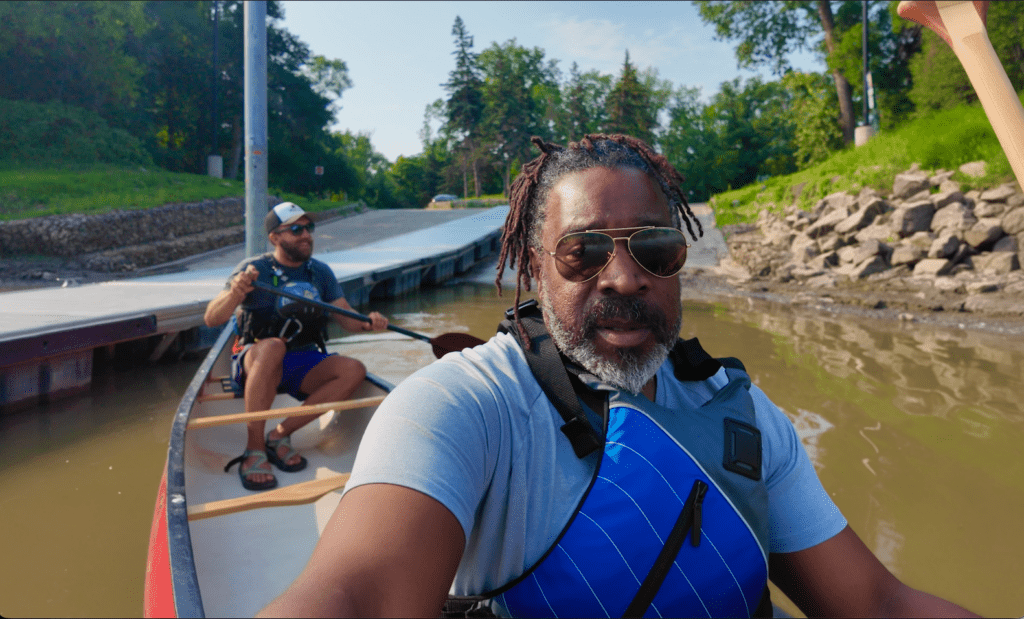
At one point, I was so caught up in the conversation that I completely stopped paddling and let Garrett do all the work. When I mentioned it out loud, I said: “I was being paddled by Garrett.” We both immediately heard how that sounded and lost it laughing. Consider that your bonus entertainment.
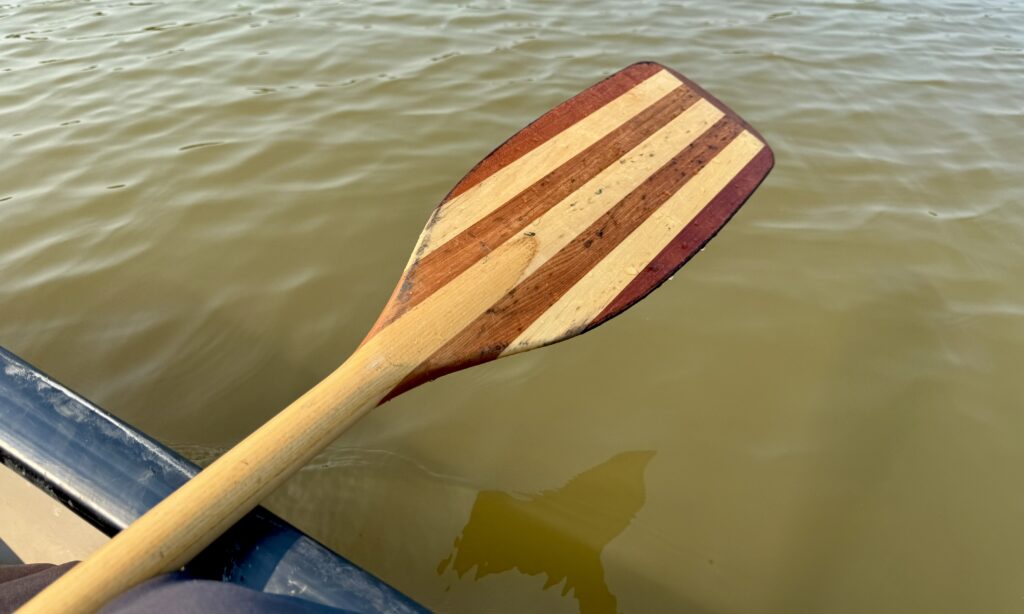
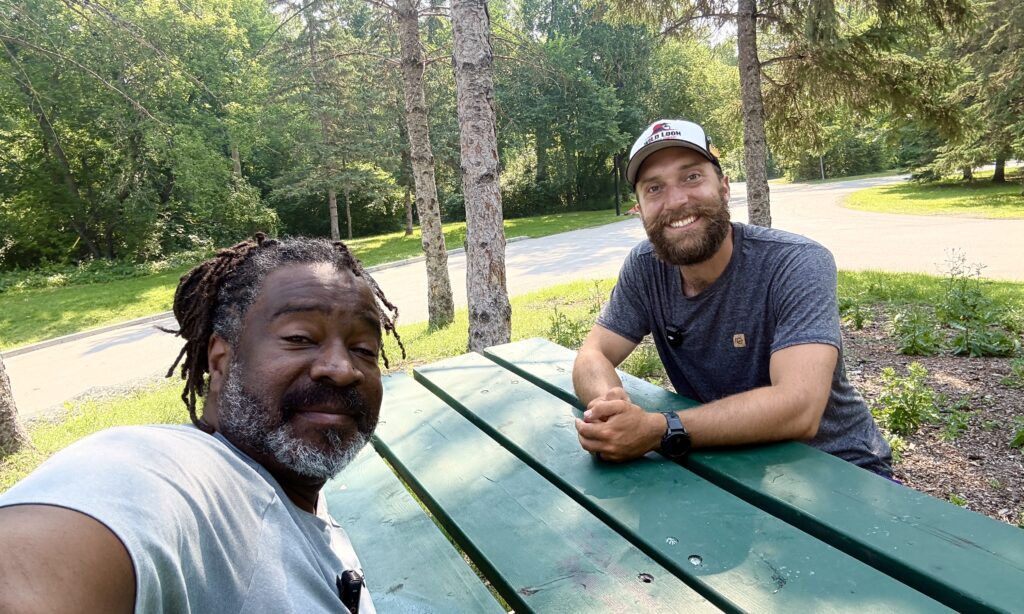
Keep an eye open for Garret to also be featured in a podcast episode for season 3.
A Few More Stops Along the Way
Not every stop on this trip was centred on Indigenous or Métis ownership. I also added a few other places to my schedule to round out the days nicely, and they are worth a mention if you’re building out your own itinerary:
Back Alley Arctic
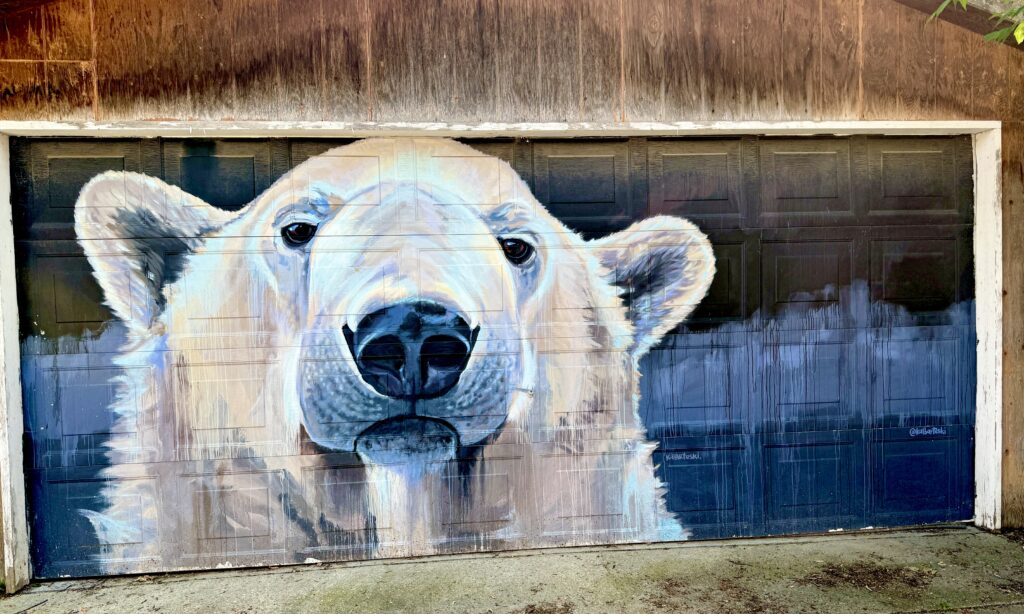
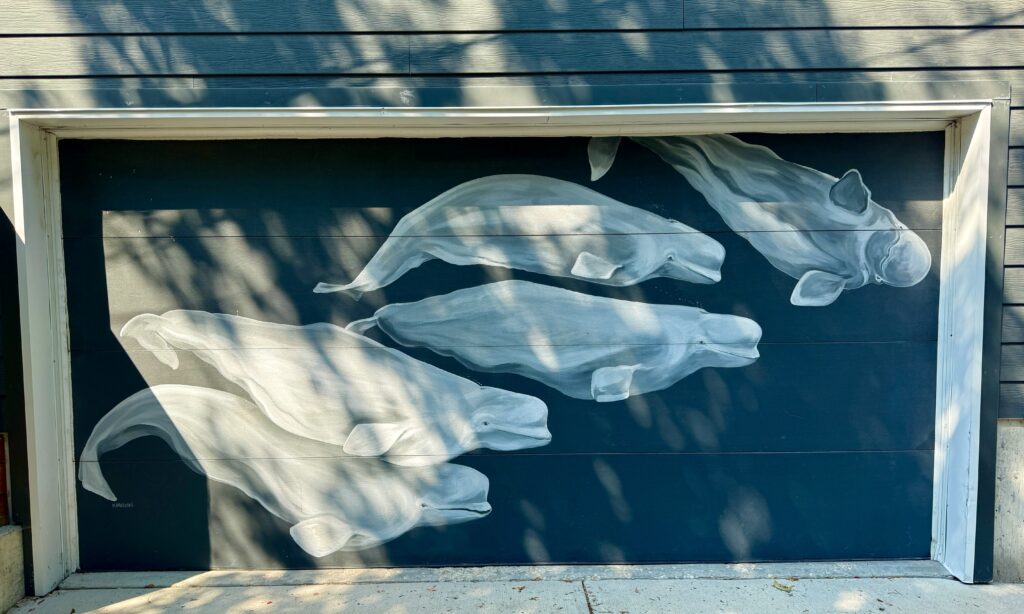
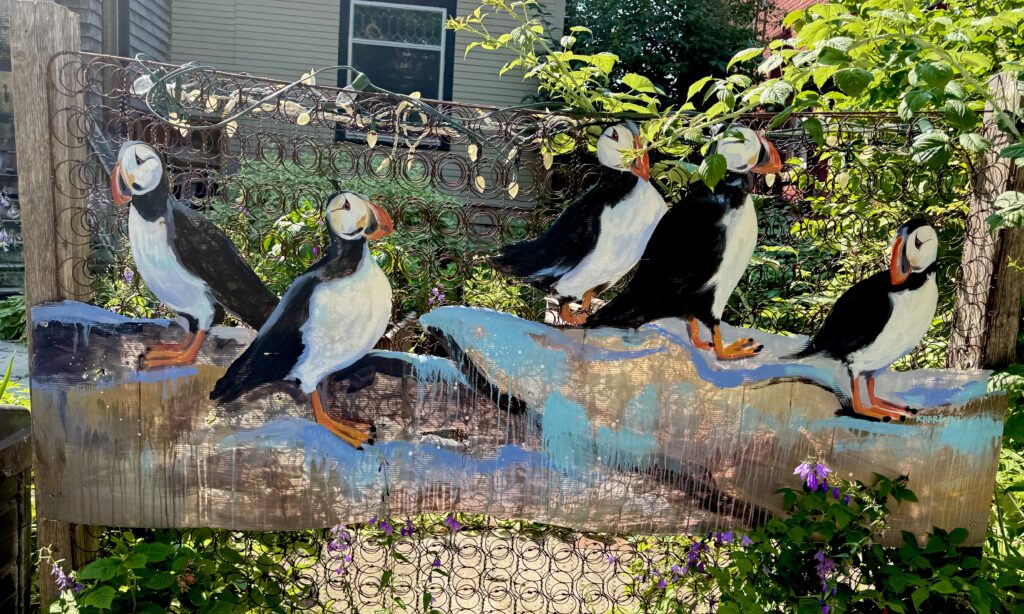
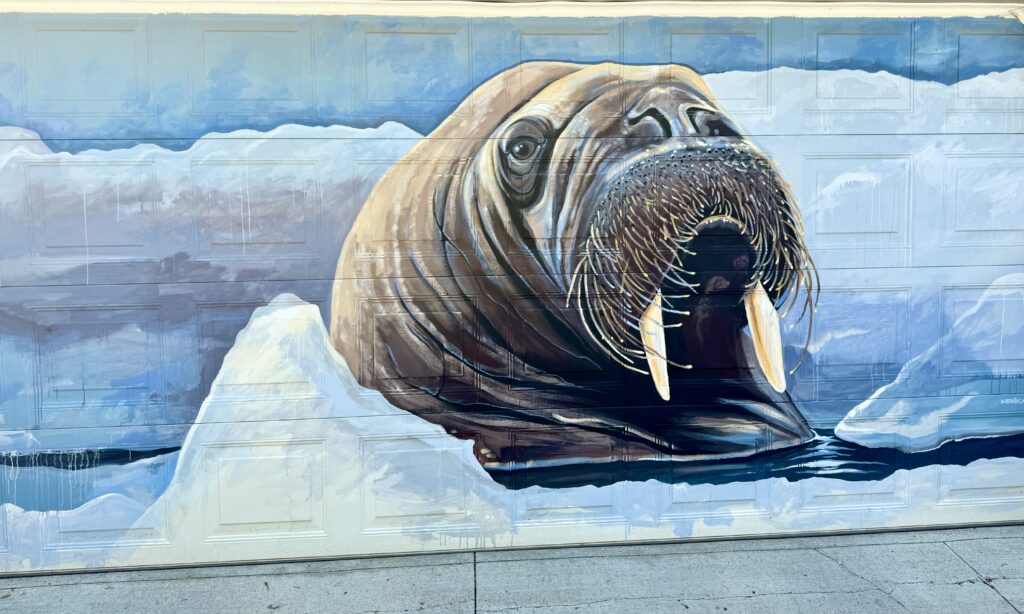
Between Canora and Ethelbert Street in Wolseley, local artist Kal Barteski has painted polar bears, owls, and walruses across a stretch of garage doors, known as Back Alley Arctic. We know “hidden gem” gets thrown around too easily, but this one earns it. It’s stunning artwork that only a true local would know about.
The Beer Can
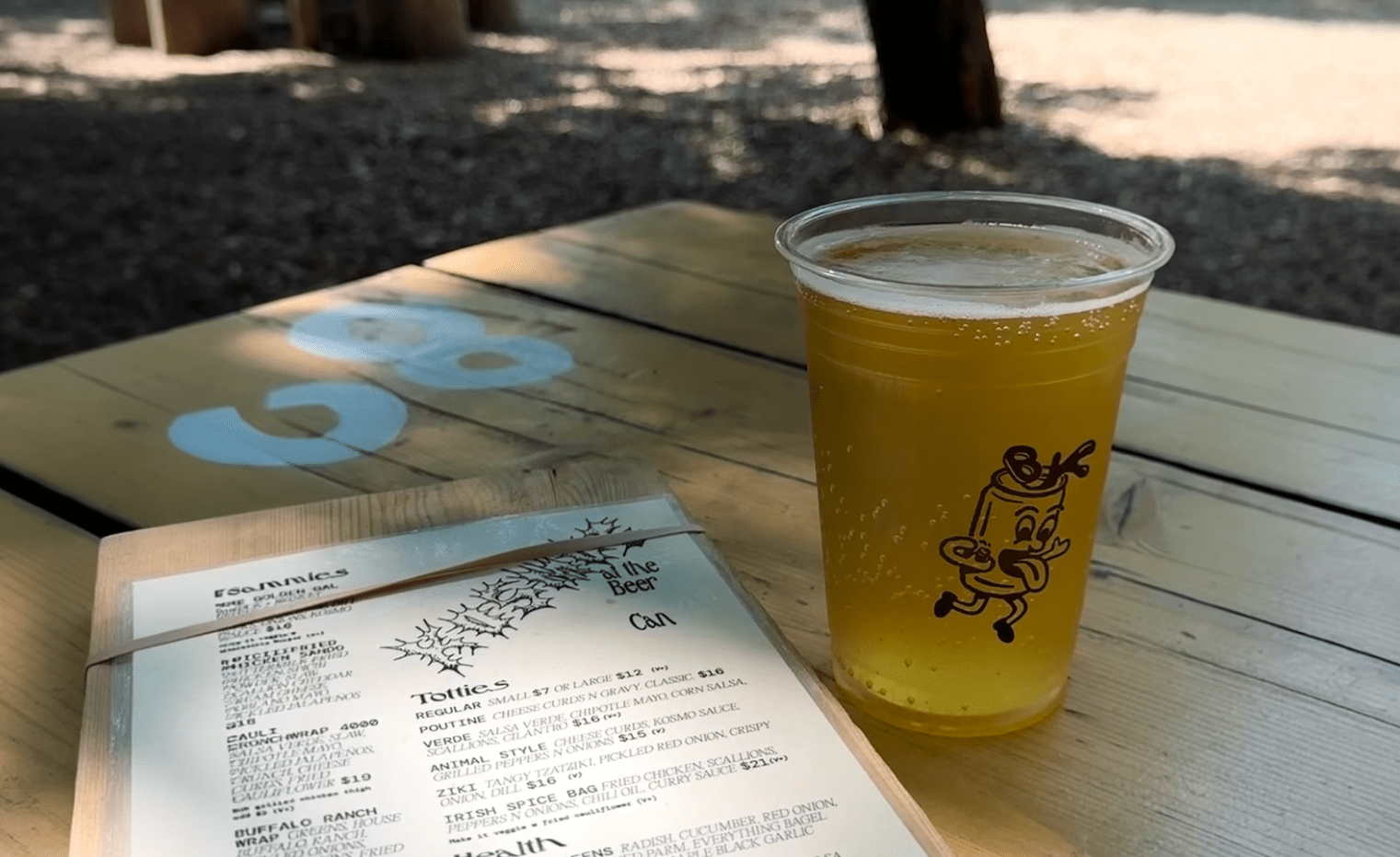
This open-air, dog-friendly beer garden can be found at the Granite Curling Club. In addition to cold beer, you’ll find picnic tables, lawn games, and food from Kosmo’s Space Cowboy Cantina. The Beer Can is the perfect spot for a hot summer afternoon and, apparently, a great spot for “business meetings.” On the day I visited, it was 29 degrees outside, and the perfect place to rest my feet and cool off a little before continuing to explore.
Kilter Brewing Company
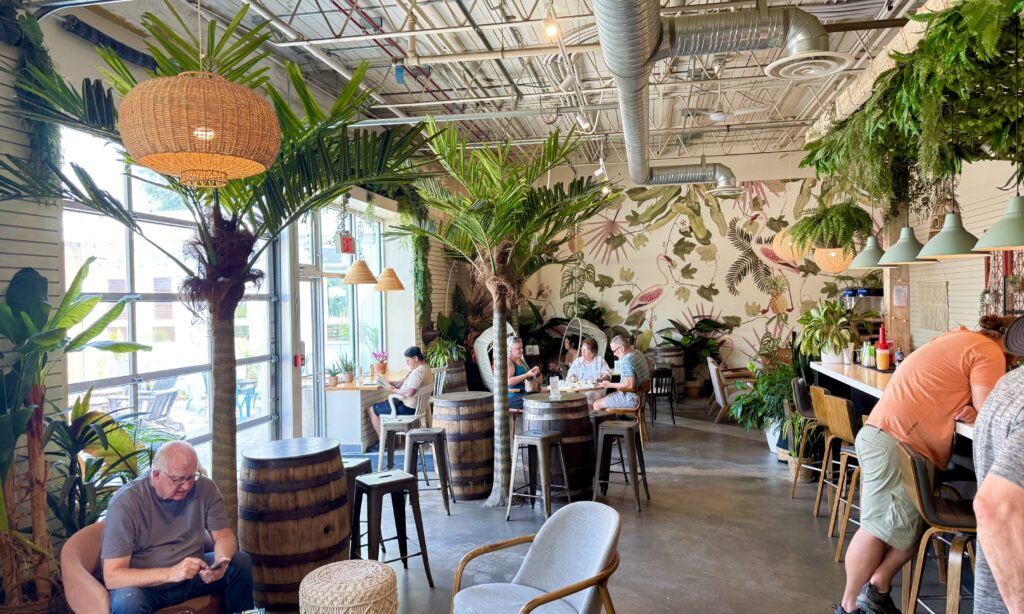
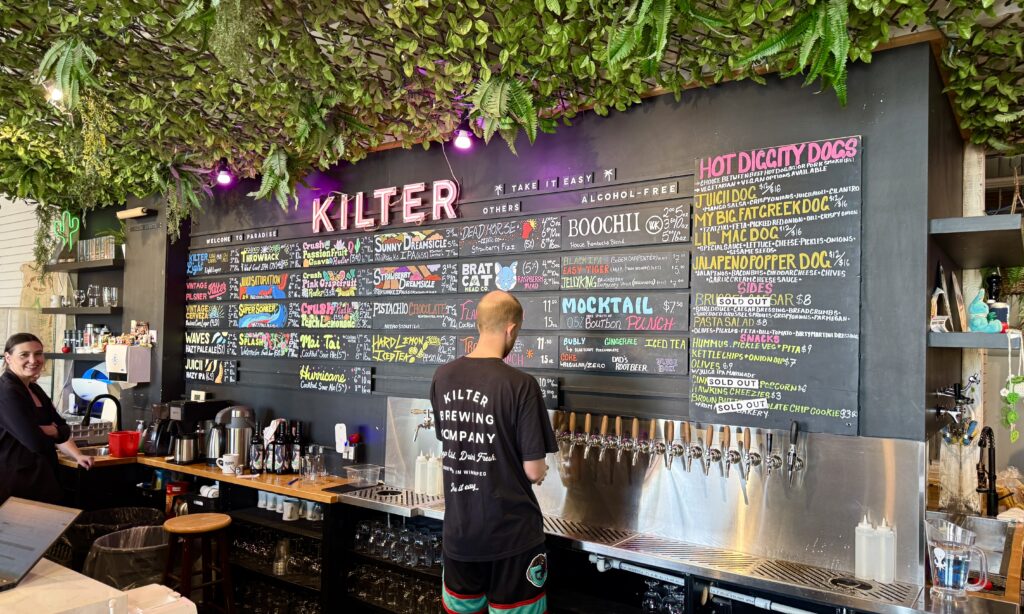
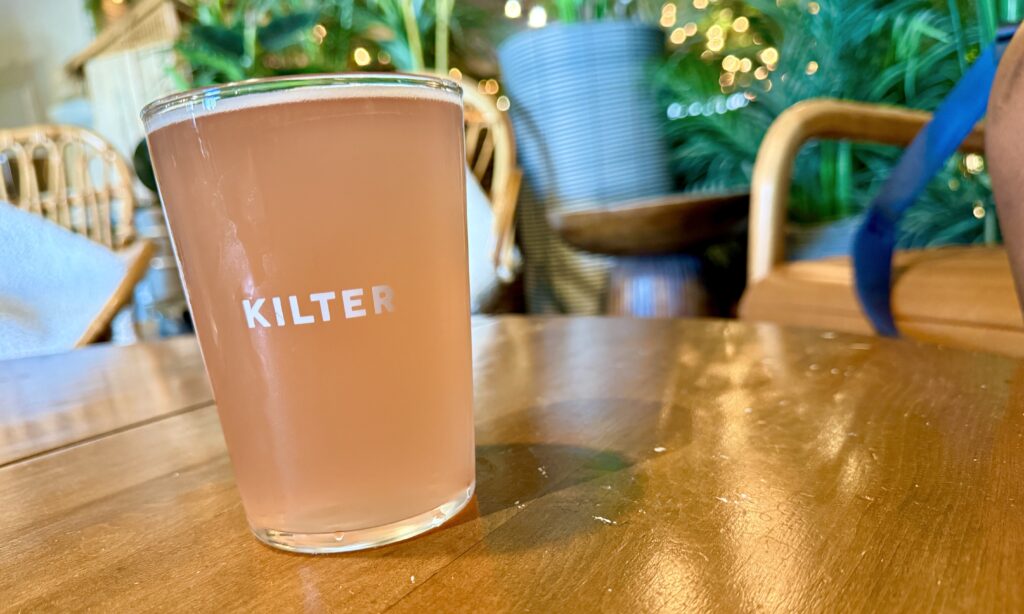
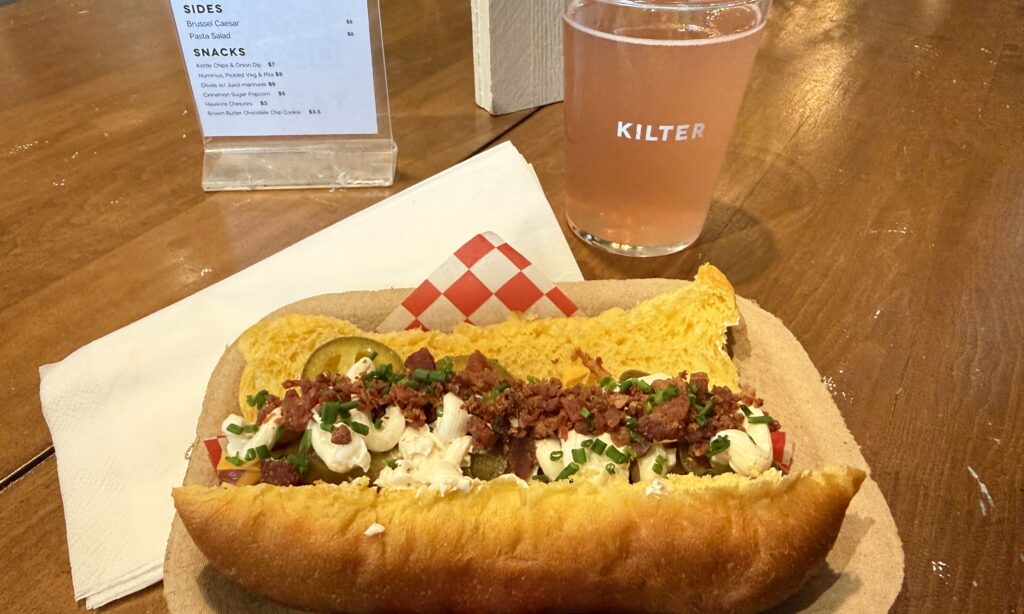
A Saint-Boniface brewery started by three brothers, with a plant-filled interior that feels like a cabana by the sea, Kilter Brewing Company is a great place to grab a drink and a bite to eat. The hotdog combos they offer during lunch are fun! I think this and Nonsuch might be my two favourite Winnipeg breweries purely on aesthetics (although the bear is great too).
Bridge Drive-In (BDI)
A family-owned Winnipeg staple since 1957, Bridge Drive-In (commonly called “BDI” by locals) is known for its tasty soft serve ice cream selections, like the Goog and the Peach Velvet. I personally think it’s best enjoyed on a walk across Elm Park Bridge overlooking the Red River. A sweet treat and a view, what’s not to love?
Pavilion Art Galleries
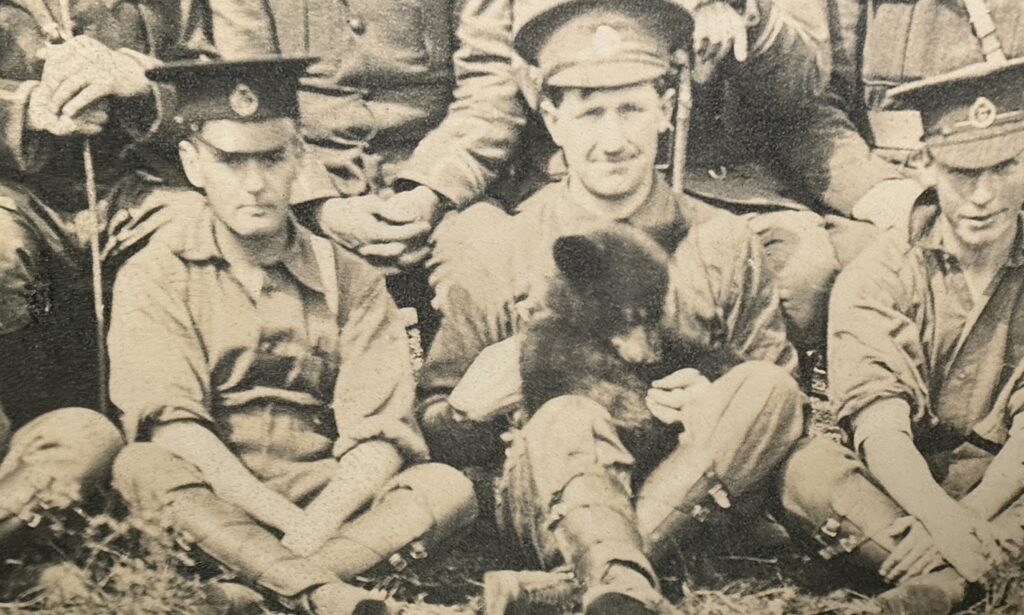
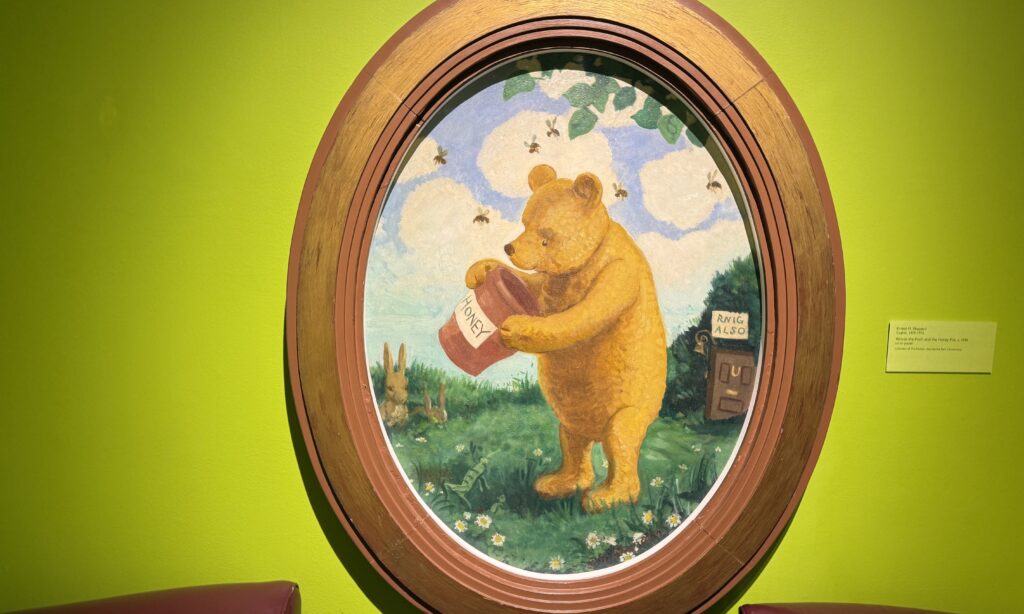
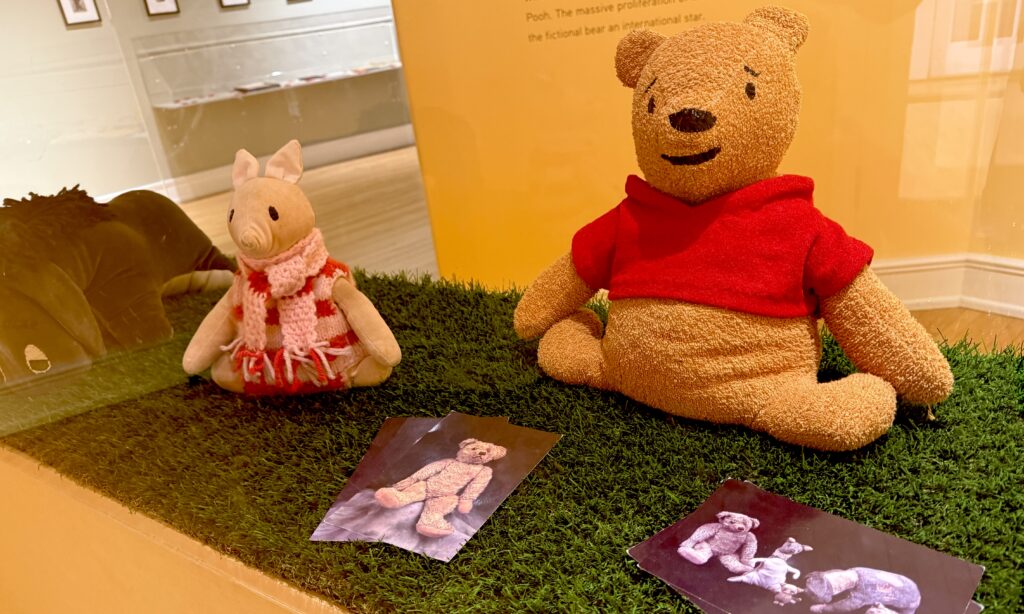
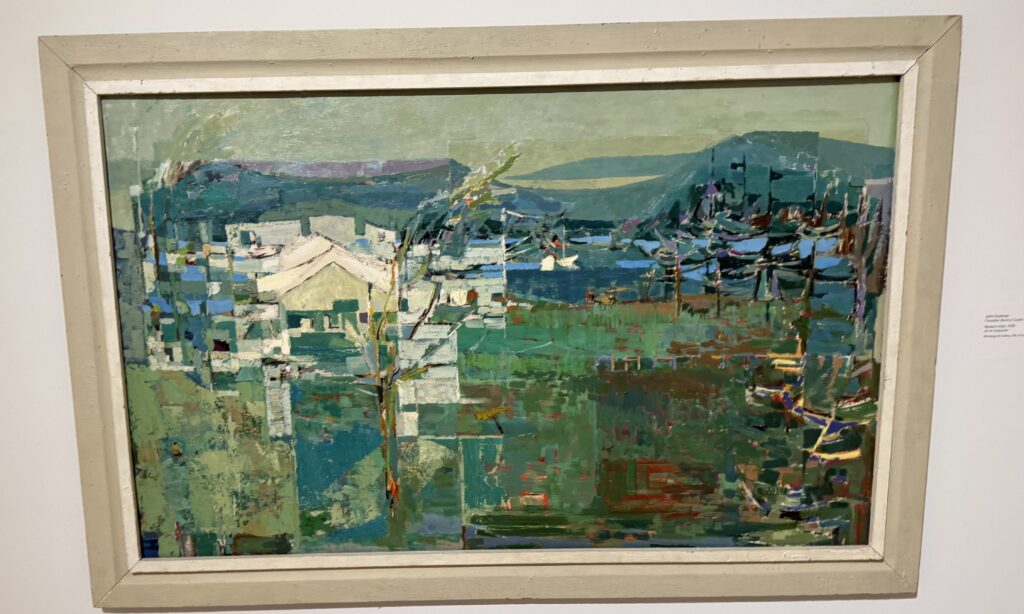
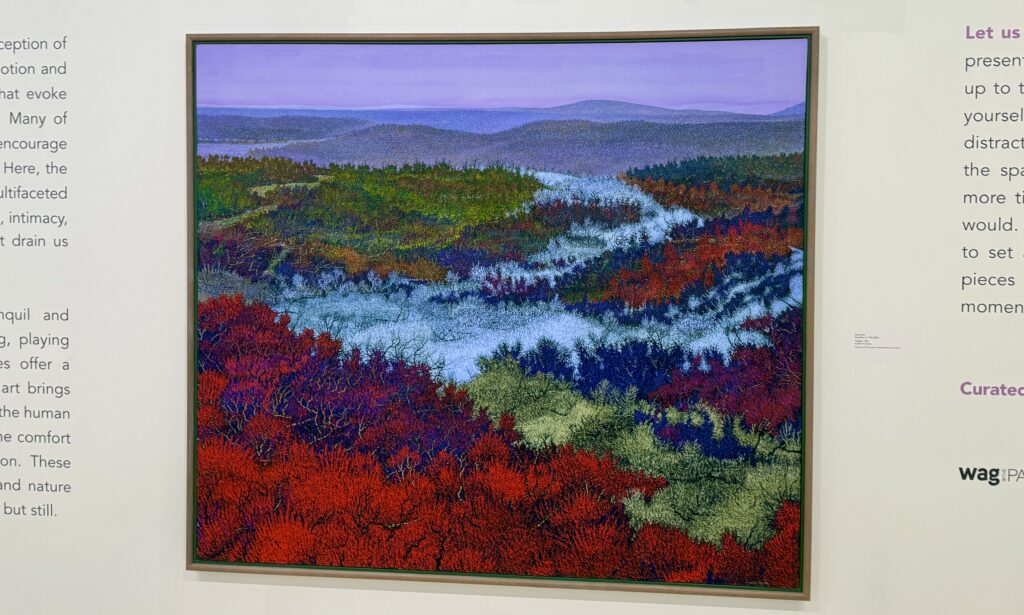
Home to work from Manitoba artists Ivan Eyre, Walter J. Phillips, and Clarence Tillenius, plus a nostalgic exhibit on the real-life bear who inspired Winnie-the-Pooh (whose owner, fun fact, was from Winnipeg), Pavilion Art Galleries makes the perfect spot for art lovers and those who simply want to enjoy reminiscing on a childhood fav. You will also find a great selection of Indigenous art here to enjoy.
Good Neighbour Brewing Co. & Next Door
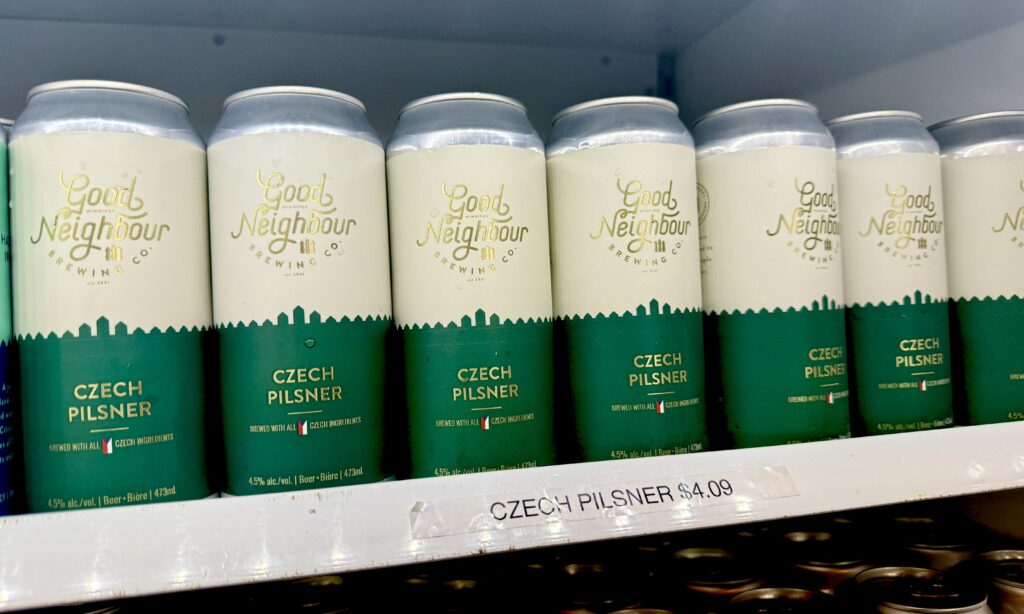
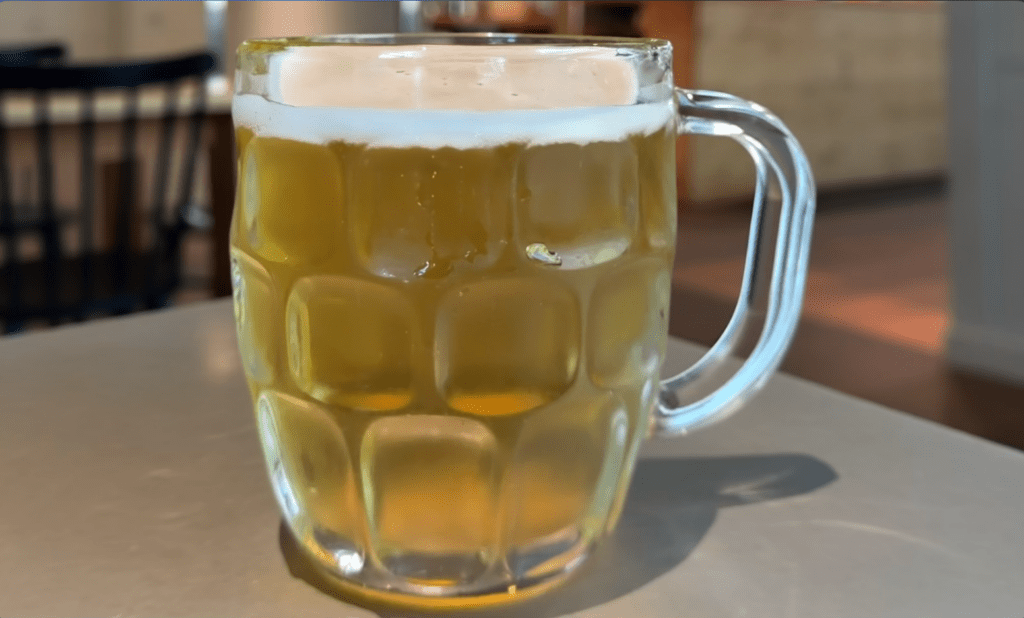
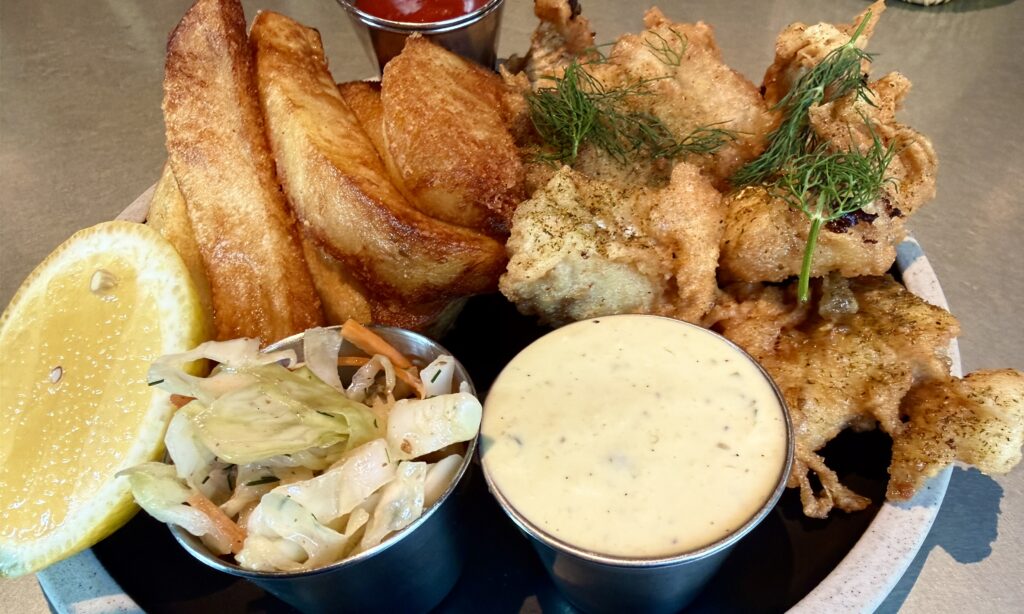
Good Neighbour Brewing Co. is Manitoba’s first all-female and 2SLGBTQ+ owned brewery, and its West Broadway bottle shop and tasting room are worth touring before dinner next door at, well, Next Door. The Czech-style pale lager was a standout for me. The brewmaster spent time in the Czech Republic learning the craft, and it shows! As for the food, Next Door’s menu (a collaboration with Hoagie Boyz and Kosmo’s Food Cantina) features shared plates and mouth-watering burgers. Don’t skip the Pickerel N Chips if it’s on the menu. It went perfectly with my Czech Beer.
Assiniboine Park Zoo
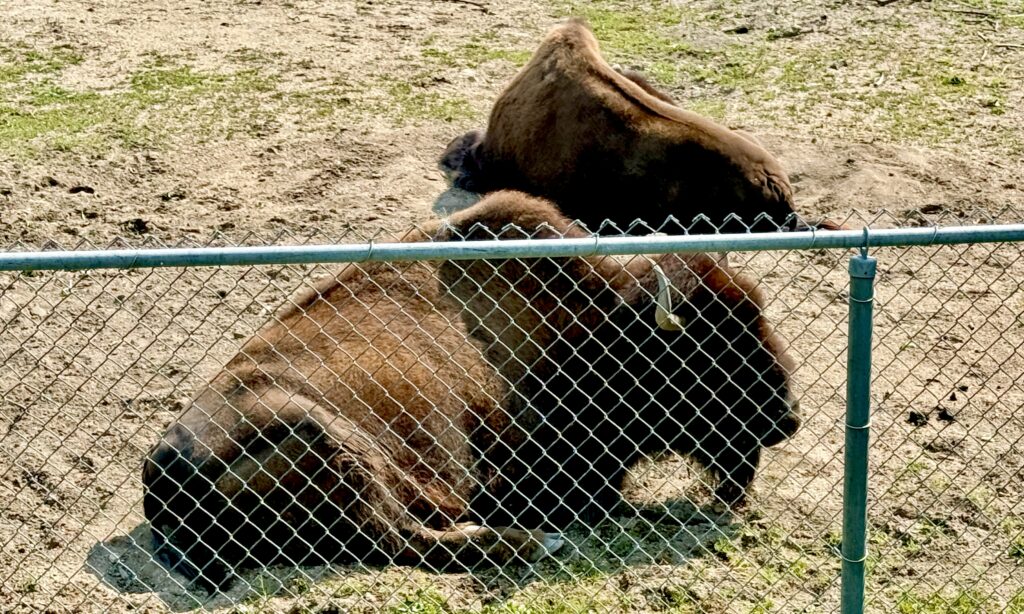
Located inside Assiniboine Park, the Assiniboine Park Zoo is the perfect place for travellers of any age. Here, you’ll find over 150 species from around the world, plus educational exhibits to help visitors learn more about the connection between animals, people, and the environment. The Journey to Churchill exhibit is the largest northern species display anywhere in the world. Unfortunately, I didn’t see any polar bears this time, but it’s still worth the visit.
Exchange District Shopping
If you have an afternoon free, the Exchange District has a great selection of local shops to browse and search for the perfect souvenir from your trip. There really is something for everyone. Here are a few recommendations to help you get started:
- Clothing Bakery (70 Arthur St)
- The Jar (250 McDermot, Unit 103 Ave)
- Aged & Faded (68 Albert St.)
- Vantage Vintage Boutique (70 Albert St, Unit 210)
- Thrift Nihilist (70 Albert St, 2nd floor)
- Opale Boutique – 70 Albert St (@opale_wpg)
- Northlore (75 Albert St)
- Tara Davis Studio Boutique (246 McDermot Ave)
The Oxbow Natural Wine Bar & Restaurant
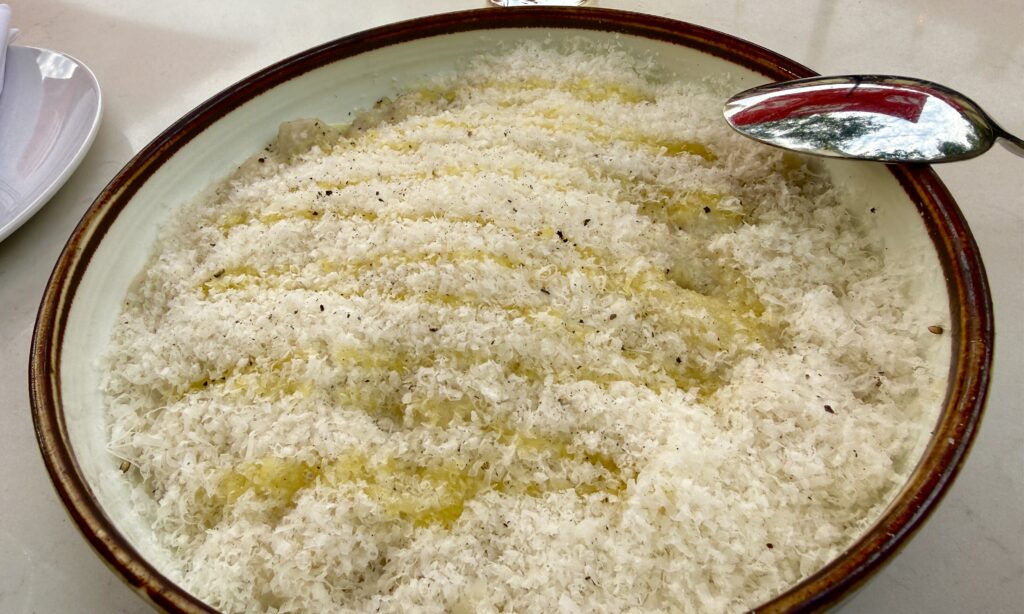
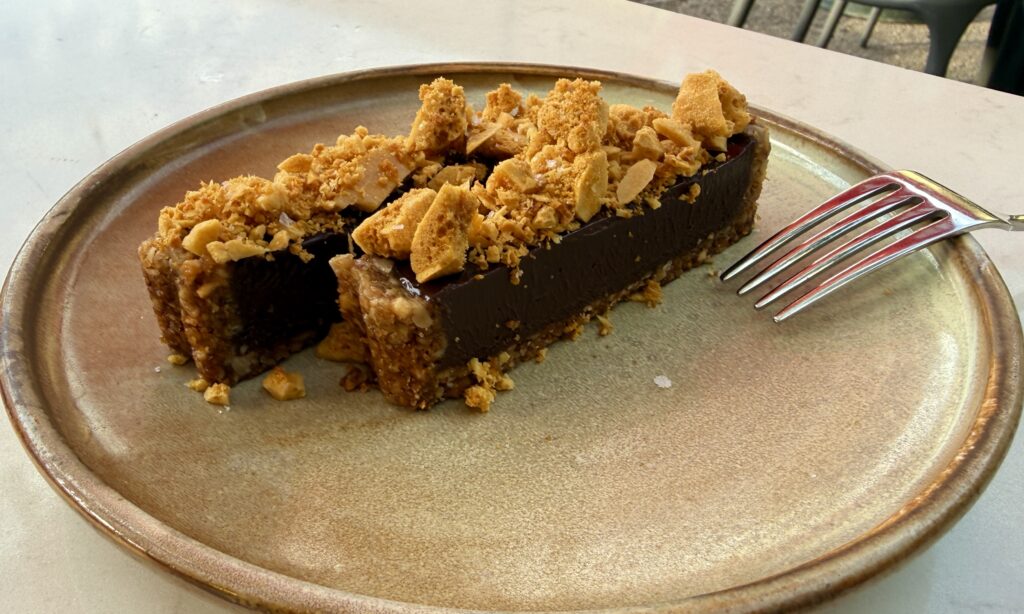
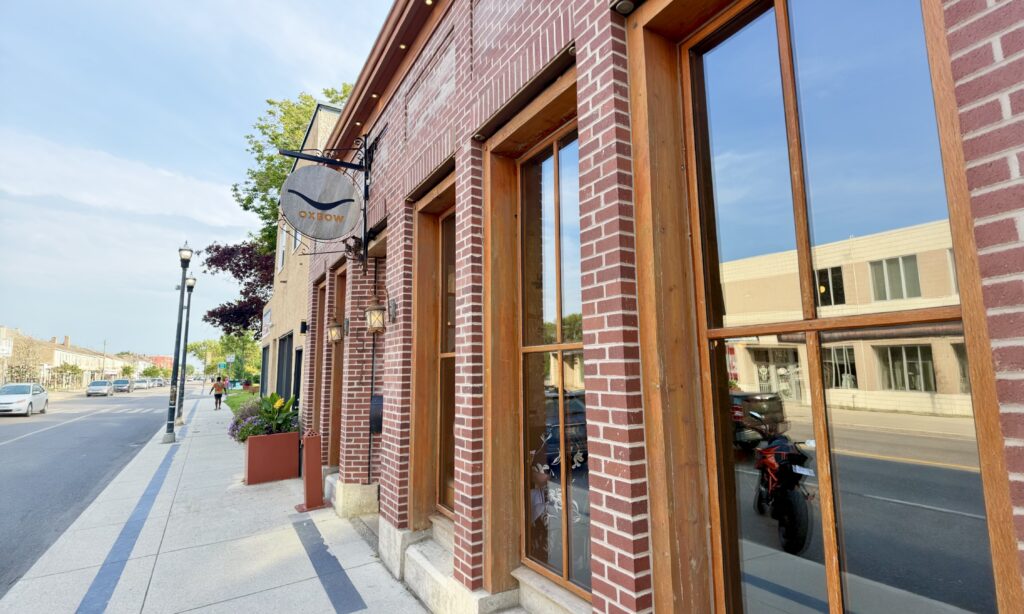
A cozy dinner spot in South Osborne, The Oxbow Natural Wine Bar & Restaurant is a must-visit spot for foodies who love homemade pasta. I had the gnocchi cacio e pepe, and the pasta was soft and fluffy like pillows. For the full experience, pair your meal with a selection from the low intervention/pét-nat-focused wine list.
A City Told Through Its People
Our first trip to Winnipeg gave us a checklist. This one brought us new connections, each sharing stories that don’t always make it into the guidebooks. That’s the version of Winnipeg I keep thinking about. The version I am so in love with.
If you’re planning your own trip, use my original weekend guide as a starting point, and use this one to go deeper. It’s also worth spending a little time looking into Indigenous services in Winnipeg beyond what’s on this list, such as cultural centres, tourism associations, and community organizations that can point you toward even more of the city than we managed to cover in one trip.
And keep an eye on our podcast: both Garrett and Jay are set to be featured in Season 3, coming April 2027.
FAQ’s
Is Winnipeg a Good Destination for Indigenous Tourism?
Yes. Winnipeg has one of Canada’s largest concentrations of Indigenous and Métis history and community-led tourism, from guided walks and Indigenous-owned hotels to restaurants and outdoor adventure companies led by Indigenous entrepreneurs. It’s also home to the largest Indigenous population of any city in Canada, which directly influences the tourism scene, making it go well beyond a single museum stop.
Where Can I Learn About Indigenous Culture in Winnipeg?
Guided walking tours are the best starting point. Turtle Tours covers thousands of years of Indigenous history around The Forks, while the Moccasin Walk focuses on Red River Métis history and the Michif language. Beyond the walks, places like the Wyndham Garden Winnipeg Airport double as both a hotel and an informal place to take in Indigenous experiences like artwork and the work of local creators. Organizations like the Red River Métis National Heritage Centre offer a deeper dive.
What Restaurants Serve Traditional Indigenous Cuisine in Winnipeg?
Feast Café Bistro is the standout. It’s one of the only Indigenous-owned and operated restaurants in Canada, focusing specifically on First Nations cuisine, with dishes like bison short rib and dessert bannock. Sharecuterie, inside The Forks Market, is another Indigenous-owned option worth checking out. Several other Winnipeg restaurants, like Nonsuch Brewing Co. and Promenade Brasserie, are Métis-owned or led by chefs drawing on their Métis heritage.
How Can I Travel Respectfully on Treaty One Territory?
The simplest way to travel respectfully on Treaty One Territory is to prioritize Indigenous-owned and Indigenous-led businesses when you’re choosing where to stay, eat, and book tours. That way, your travel dollars go directly to the communities whose land and history you’re experiencing. It also helps to go in with a willingness to listen and learn. Guided tours led by Indigenous guides are a respectful, direct way to learn real history rather than relying on assumptions or secondhand information.