Plitvice Lakes National Park: Experience the Scenic Beauty of Croatia

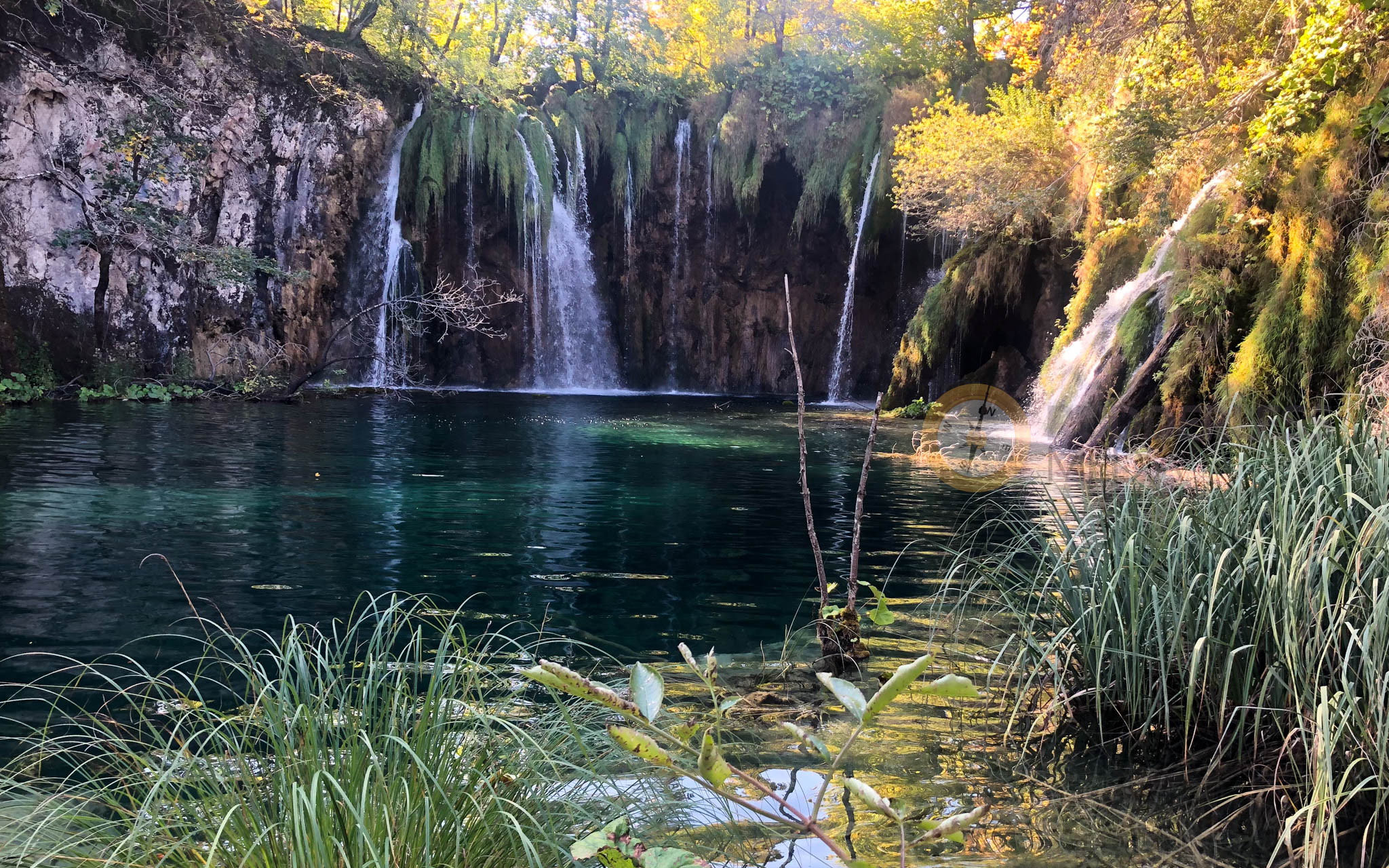
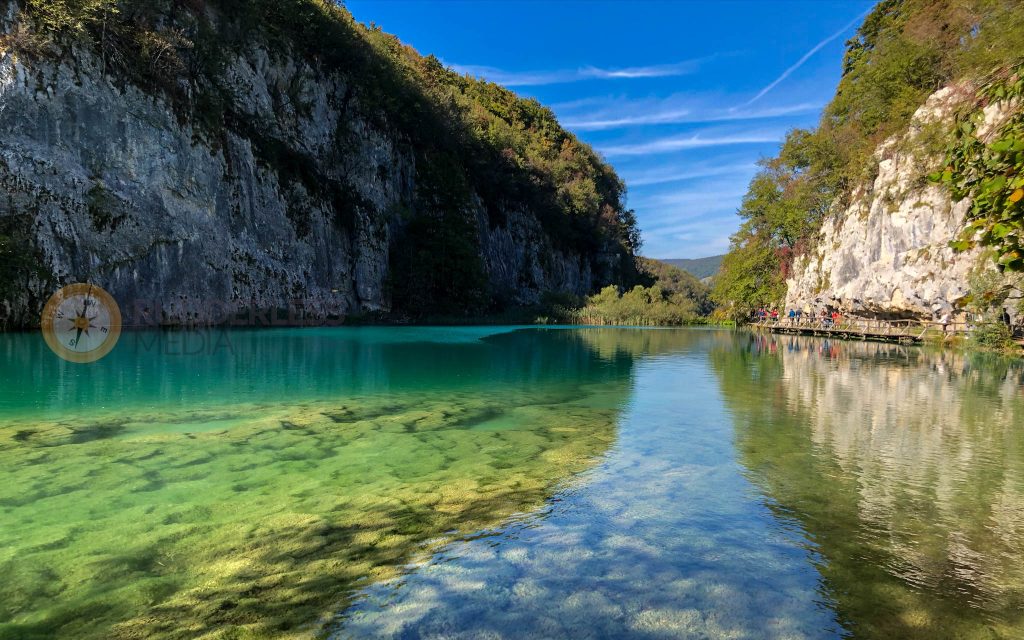
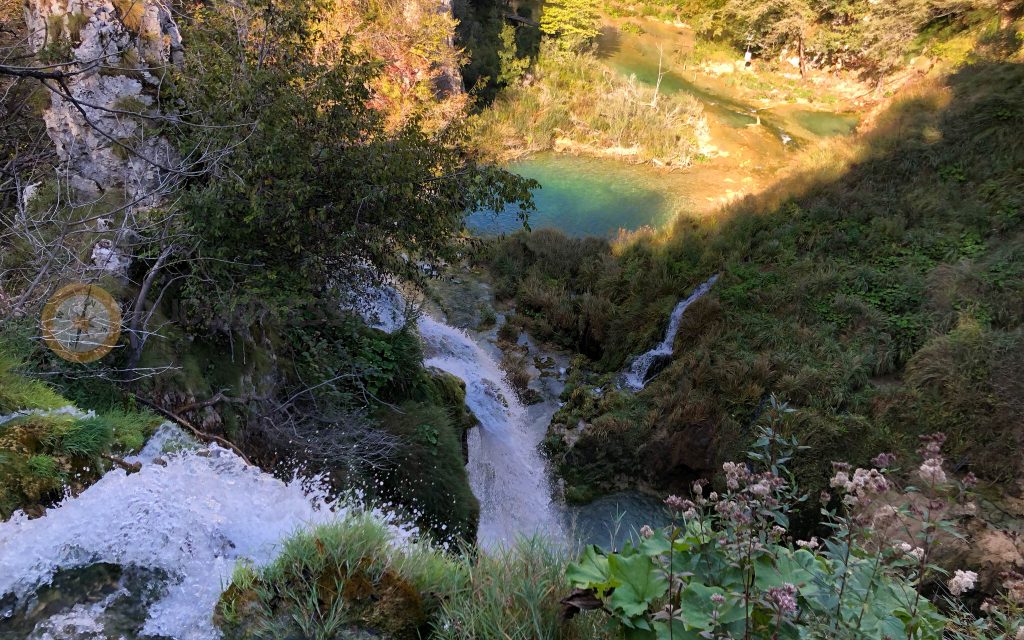
Plitvice Lakes National Park (Plitvička Jezera) is the kind of place that looks fake in photos and even more magical in person. It’s a UNESCO World Heritage site that features 16 stunning lakes connected by a series of waterfalls and cascades. While Brijuni was Tito’s island paradise, Plitvice is the heart of Croatia’s natural beauty.
This guide will explore the magic of the lakes, what makes them so special and unique, and the chaotic “travel tax” we paid just to get there.
History of Plitvice Lakes
- Inhabited since prehistoric times, evidence has been found of several historic groups, including the Lapod peoples and the Romans.
- The name “Plitvice” was first on record in 1777, derived from the Croatian word for “shallows.”
- The first protection association was formed as early as 1893.
- On April 8, 1949, Plitvice Lakes was named Croatia’s very first National Park.
- In 1979, UNESCO officially recognized the park as a World Heritage site due to its geological significance.
- The park was the site of the “Plitvice Lakes Incident” in March 1991, an armed conflict that was part of the Croatian War of Independence.
- Following the war, the park was restored and expanded in 1997.
Legend of the Black Queen
Long before the tourists arrived with their hiking boots and selfie sticks, Plitvice had a much darker nickname: “The Devil’s Garden.” It earned this name due to the rugged terrain and dense forests, creating a dangerous place that kept the locals away. It was a place of mystery and, according to legend, the home of the Black Queen.
The story goes that during a massive drought, the people prayed for water. In response, the Black Queen appeared with a storm so powerful it filled two rivers: the Black River and the White River. This water ultimately created the 16 beautiful lakes that make up the park.
Where is Plitvice Lakes?
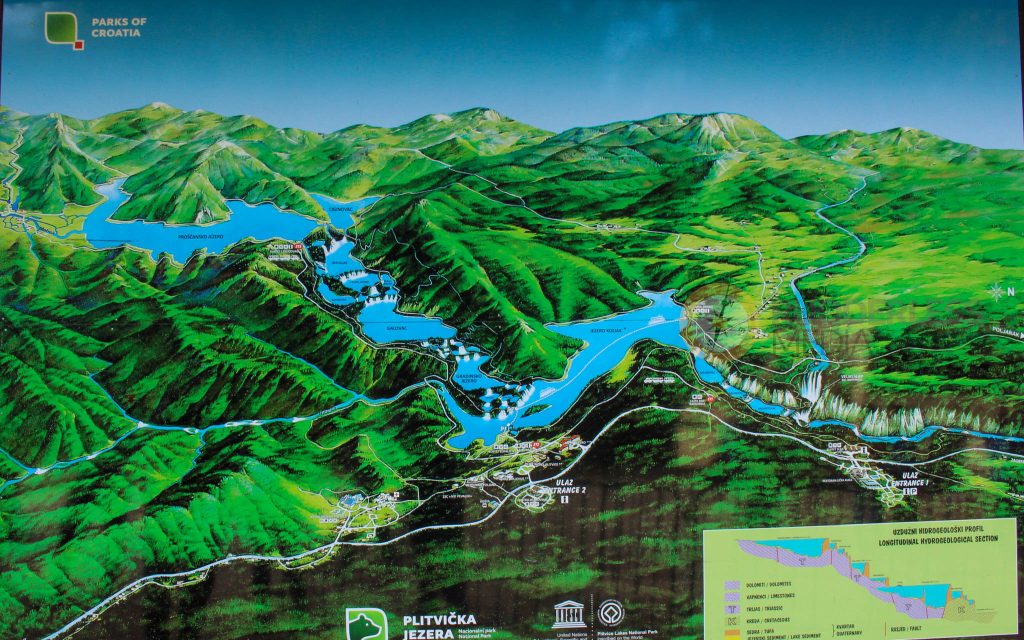
Plitvice Lakes National Park is located in the mountainous Lika region of central Croatia, roughly halfway between the capital, Zagreb, and the Adriatic coast. It’s not an island getaway like Brijuni; instead, it’s located deep in the woods near the border of Bosnia and Herzegovina. While it feels like it’s in the middle of nowhere, the park is surprisingly accessible, offering easy connections to several of Croatia’s major hubs, including:
- Zadar: the closest major coastal city and airport to the park (approximately 1.5 to 2 hours away)
- Zagreb: the capital city is almost as close (about 2 to 2.5 hours) and is the most common starting point for most travellers
- Split: it’s a little further from Split (approximately 3 to 3.5 hours), but totally doable if you start early
What Makes Plitvice Lakes Unique?
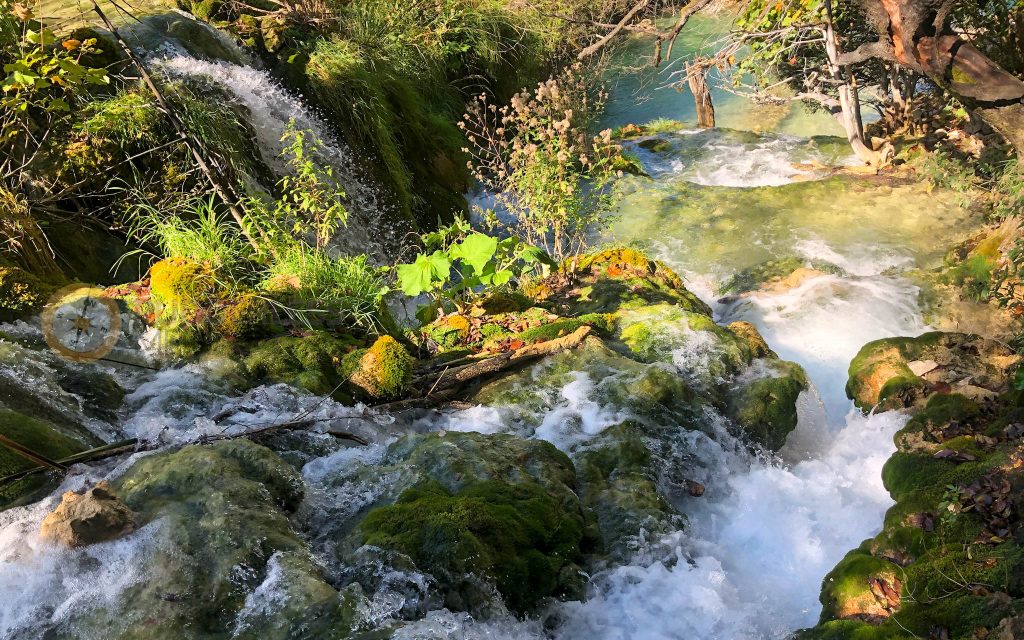
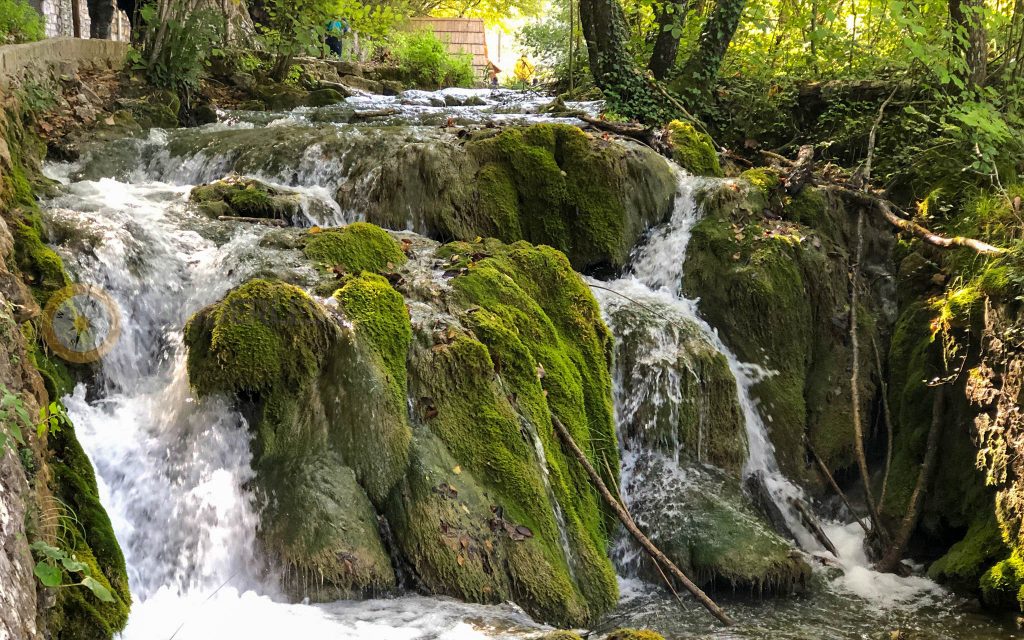
Most lakes are just holes in the ground that are filled with water, but Plitvice Lakes is different. These lakes are held together by “living” dams. Over thousands of years, the water (which is super-saturated with calcium carbonate) interacts with moss, algae, and bacteria to form limestone barriers.
These barriers are self-repairing and continue to grow at a rate of approximately 1 to 3 cm each year. This means the park you see today isn’t the same park Gordana’s father first took her to, and it won’t be the same one the next generation will see.
How to Get to Plitvice Lakes
Whether you’re driving yourself or letting someone else take the wheel, there are several options for getting to the park.
By Car
This is how we did it, and it’s the best option for those who want flexibility. If you’re looking to travel from Zagreb to Plitvice Lakes National Park, you can take the A1 motorway, then jump on the D1 state road. The D1 is a well-known scenic route, perfect for a beautiful road trip.
Going back to the “travel tax” I mentioned earlier, make sure to always check your tires (and your spare). We had a flat tire before we even left for our road trip, adding to our travel time just as we were getting started. We were also pulled over by the police while en route, and I’m still not sure why!
By Bus
If you don’t want to mess with Croatian traffic, or you simply want to sit back and enjoy the sights without worrying about driving, the bus system is actually pretty reliable. Regular buses run from the main stations in Zagreb, Zadar, and Split.
Look for Arriva or FlixBus. You can book these online in advance, which is especially important during the busier summer months. The bus will drop you off at the park entrances, where you’ll find small wooden huts that serve as bus stations. Just make sure you know which entrance you need to get off at!
Organized Day Tours
Another option for those who aren’t interested in navigating central Croatia is to book a day tour from a larger hub (where you’re staying), like a tour from Zagreb to Plitvice Lakes. Plenty of operators in Zagreb, Zadar, and Split offer full-day trips, which handle the logistics for you.
Plitvice Lakes National Park Accommodations
Deciding on the best place to stay at Plitvice Lakes usually comes down to your idea of the perfect vacation experience. Do you want a beautiful hotel room, where you can roll out of bed and onto the boardwalks after a relaxing shower? Or would you prefer to embrace the time in nature, camping or glamping?
Hotel Jezero
If you prefer to spend the night enjoying a beautiful hotel in Plitvice Lakes National Park, Hotel Jezero is the perfect option. Located right next to the park’s largest lake, Kozjak, it is the ideal central location for exploring the park without ever needing to use your car. For park attractions that are further away, the hotel offers a complimentary shuttle service.
The hotel has a selection of standard hotel rooms, lakeside balcony rooms, and suites, including 2 accessible rooms for visitors with disabilities. After a long day of hiking, before settling into your comfortable bed, you can hit their SPA zone to soak in the whirlpool or hit the Finnish sauna and Turkish steam bath, all of which are free for guests.
Korana Camp and Camp Borje
Outdoor lovers who prefer a more rugged, open-air experience have a couple of options for glamping and camping in Plitvice Lakes. Korana Camp, which covers 35 hectares along the Korana River canyon, is one of the largest and most beautiful places to camp in Croatia. You can choose between booking a campsite for tents and motorhomes or spending the night in one of their fully equipped bungalows.
For those looking for a quieter camping experience, tucked away at the edge of Plitvice Lakes National Park is Camp Borje. This pretty 6.5-hectare campsite is a relaxing setting for visitors to pitch a tent or park their RV and take in the park’s natural beauty.
While neither of these camps is technically on the park property, they are located close to the park entrances and offer shuttle bus services. Guests staying at the campsites are also given discounts on some of the hotel amenities, like the SPA zone.
Where to Eat
After a day of trekking across boardwalks and along the trails, you’re going to work up an appetite. Luckily, there are plenty of spots to grab a bite, ranging from quick-service burger huts and cozy cafes to more formal sit-down establishments. Choosing the best restaurants at Plitvice Lakes during your visit will depend on the cuisine you’re looking for. Some great places to consider include:
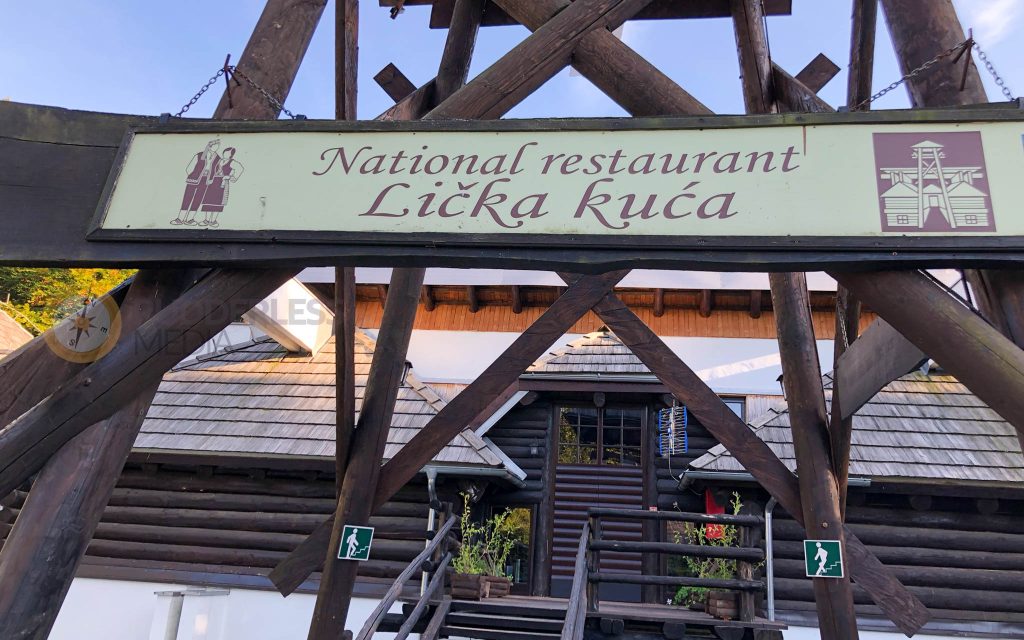
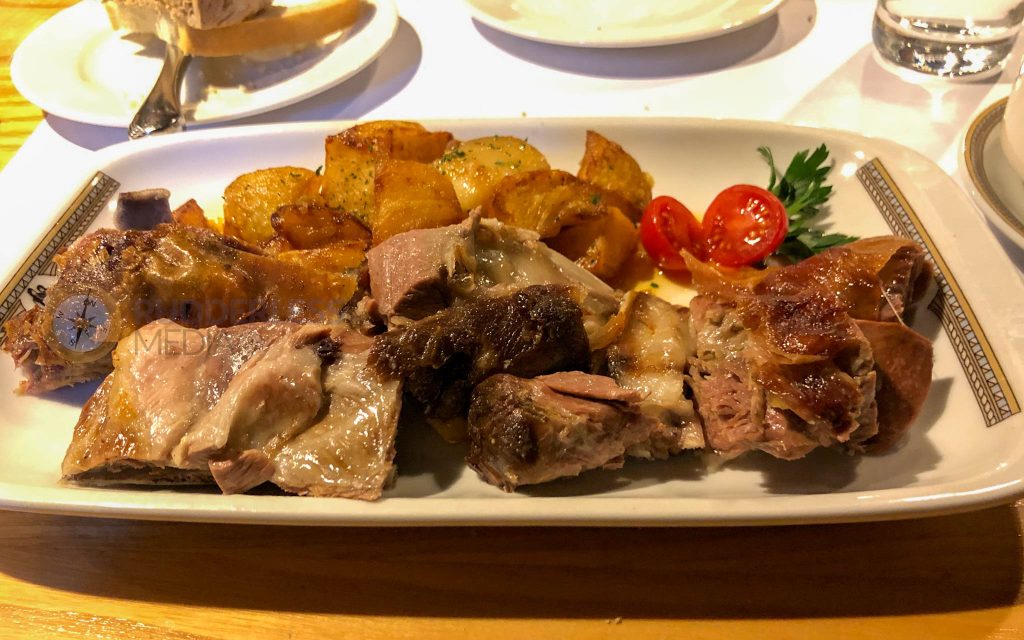
- Lička kuća Restaurant: For over 50 years, this traditional local restaurant has served delicious Lika staples like spit-roasted lamb, homemade bread, and local škripavac cheese with a modern twist.
- Black River – Steak & Pasta House: An upscale dining experience featuring premium dry-aged steaks from their own butchery and a selection of handmade pasta paired with Mediterranean-inspired sauces, and an impressive wine list.
- Restaurant Borje: Located in the forest, this is the perfect spot to enjoy local delicacies in an elegant, glass-walled restaurant designed to seamlessly blend with the beautiful views that surround it.
- Kozjak Caffee & Pastry: This newly opened café is located in a beautifully restored 1949 landmark building, offering a stunning spot to enjoy artisan desserts like basa cheesecake alongside cocktails and specialty coffees.
- Vucnica Pizzeria: A cozy forest stop, this is the perfect place if you’re craving a more casual meal, such as burgers, homemade sausages, and gourmet pizzas topped with local škripavac cheese.
- Slap Buffet: Just steps from Entrance 1, this is the perfect place for a quick pre-hike energy boost, offering refreshing drinks and simple warm and cold dishes on an inviting summer terrace.
On our recent trip, dinner wasn’t just about refuelling; it was about tradition. We went to Lička kuća. This wasn’t just a random pick. It’s the exact place Gordana’s father used to take her and her family all the time when she was growing up. Being back there was a trip down memory lane for her, which made a delicious meal feel even more special!
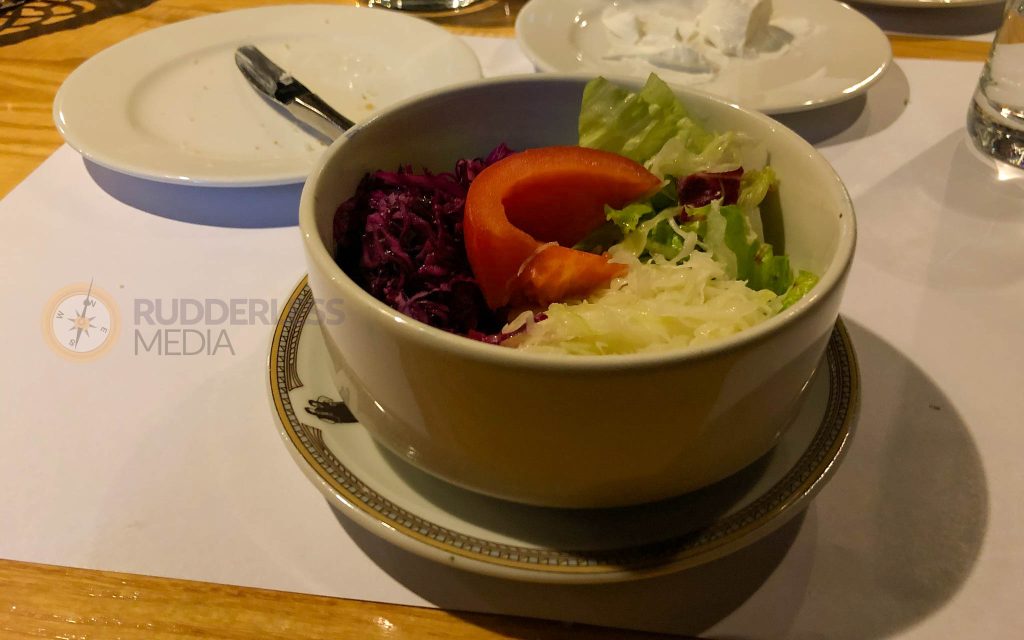
We were joined by a full crew, including Gordana’s brother, her best childhood friend, and her friend’s son. It felt like a proper homecoming.
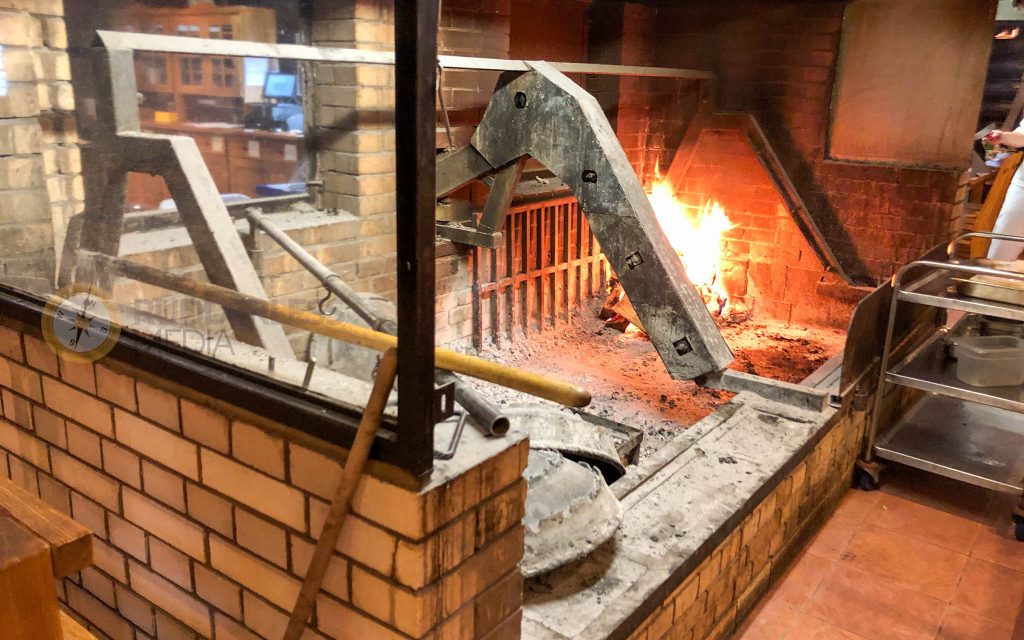
The star of the show here, without question, is the roasted lamb. You’ll see an open, dedicated section of the restaurant, where you can see the lamb being roasted on a massive spit. The smell hits you immediately, and the taste doesn’t disappoint! It’s mouthwatering, tender and served in the traditional style that has made this region so famous. If you want to taste the “soul” of the Lika region, this is it.
The Best Ways to Experience Plitvice Lakes National Park, Croatia
While most people come just to snap a photo of the big waterfall, there is actually a lot to do for those who enjoy spending time outdoors. Whether you want to break a sweat hitting the trails or just cruise across the water, here are some of the best ways to check out this stunning destination:
Hiking Trails
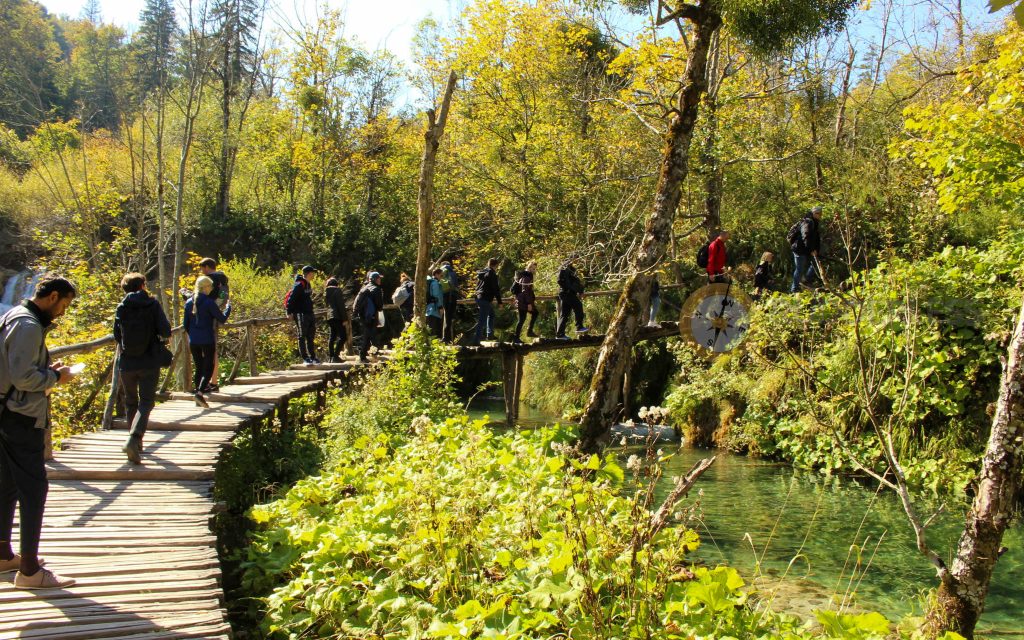
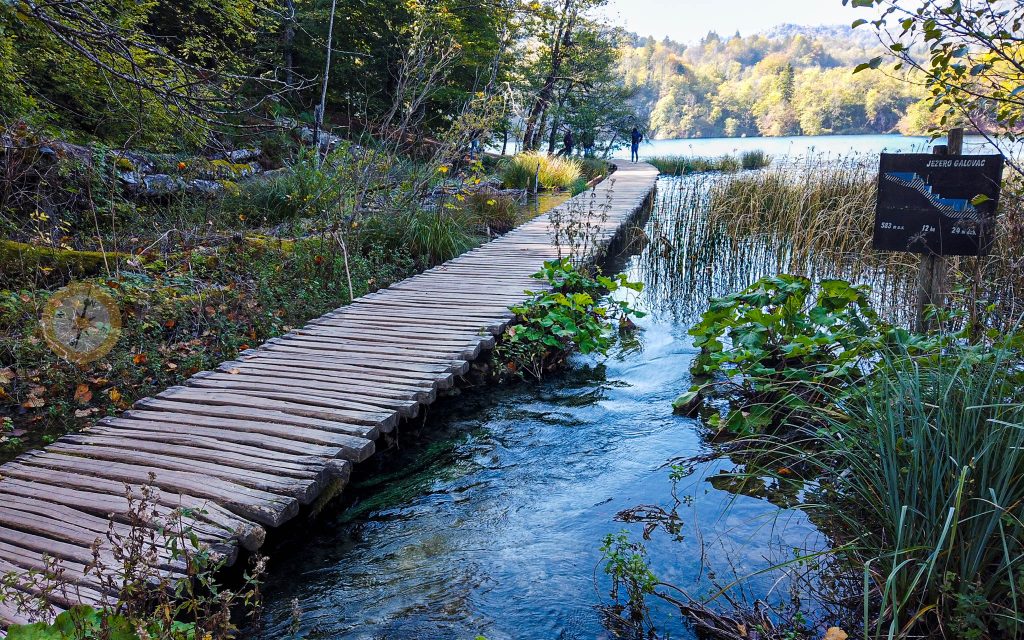
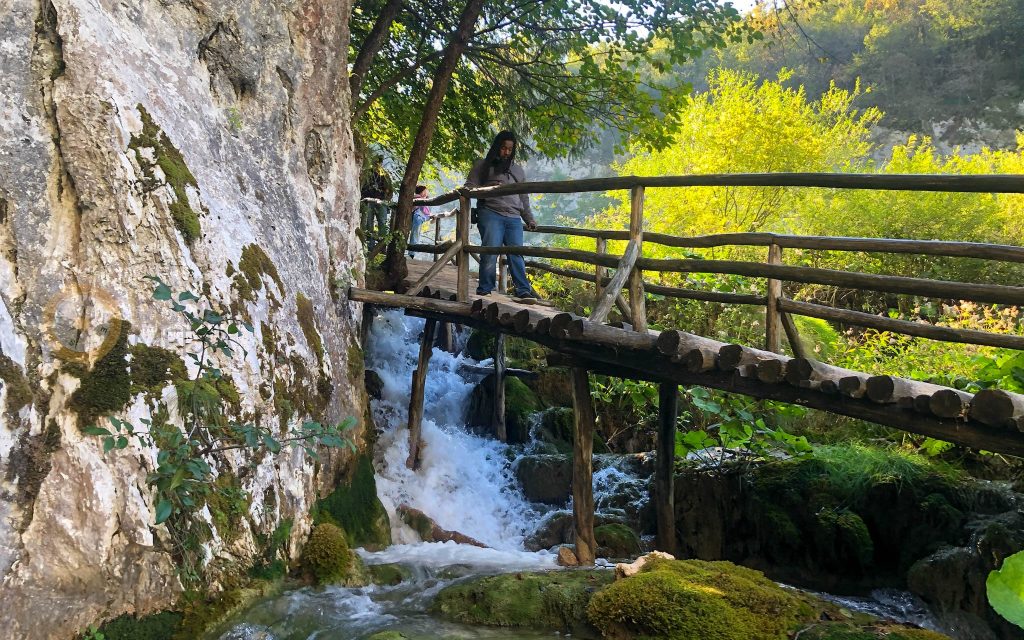
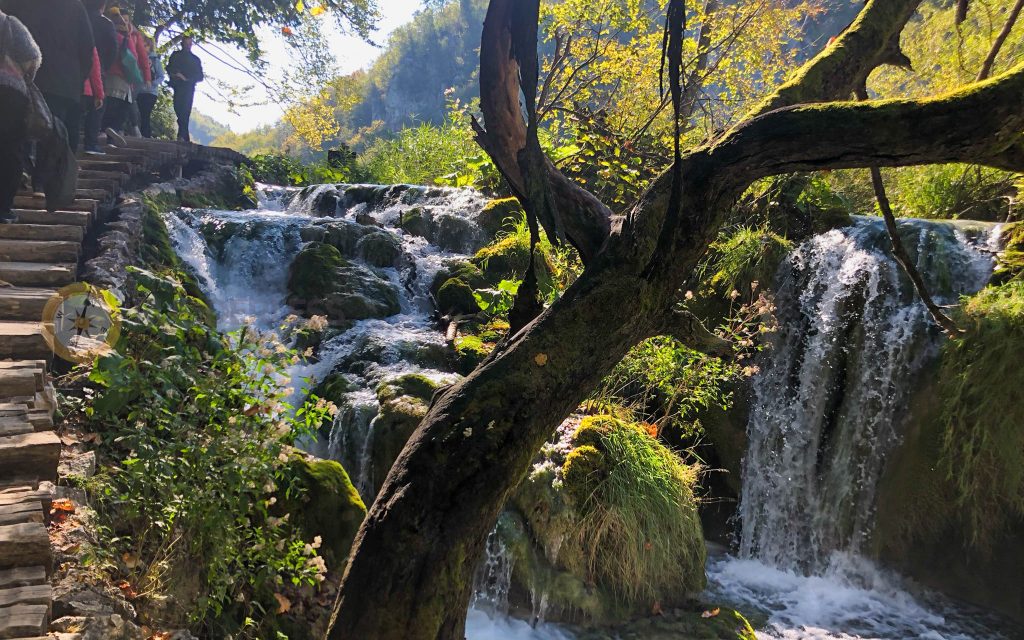
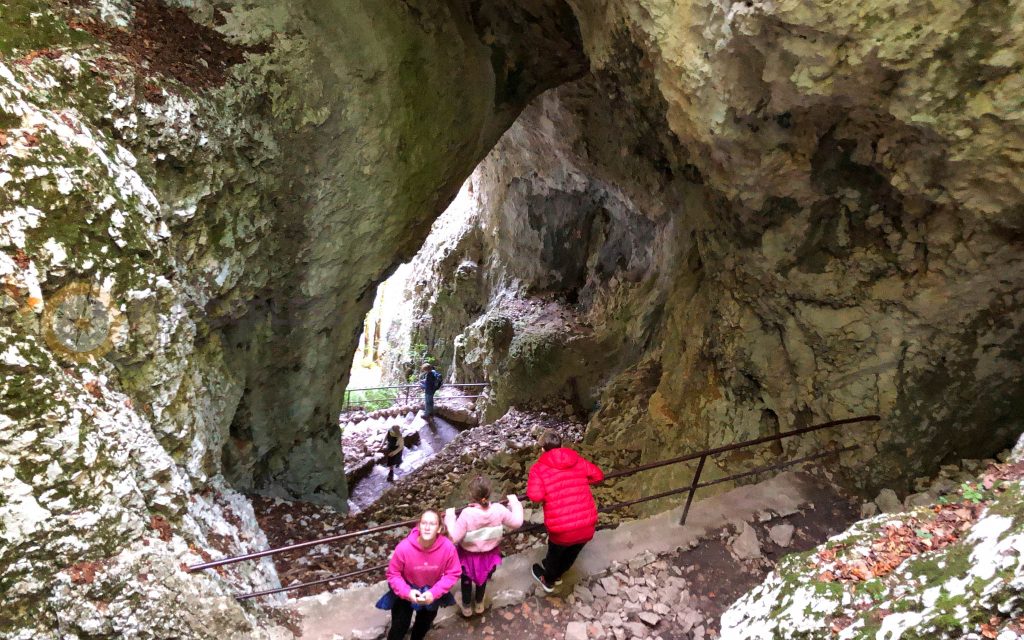
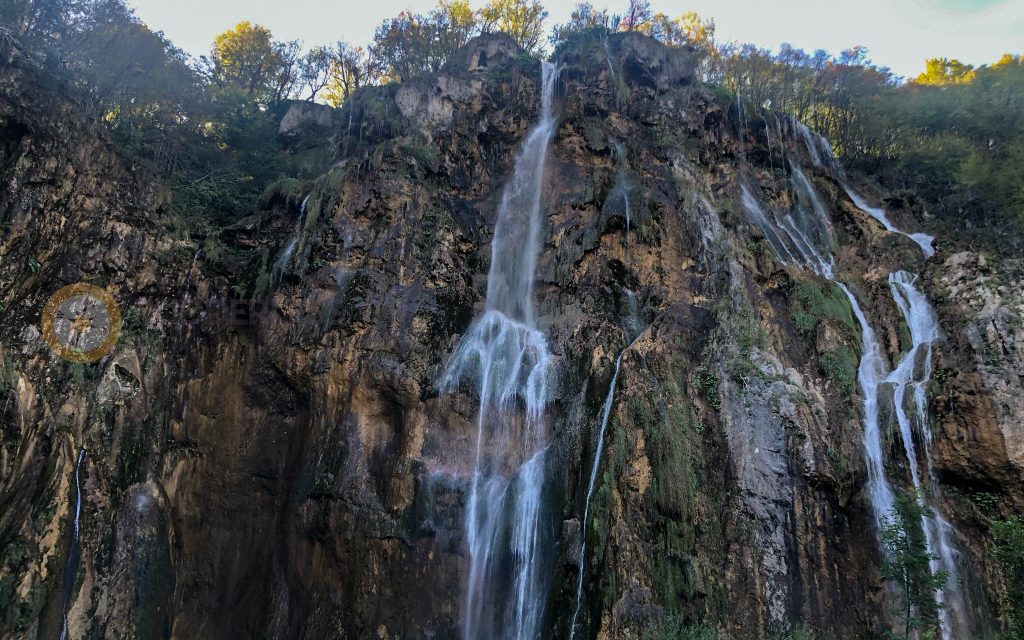
The park is organized into several trails, ranging from 3 km to 18 km. The Lower Lakes are the most popular trails, taking you to the Great Waterfall and through the limestone canyon. If you would prefer a peaceful trek through the forest and smaller, cascading falls, you should check out the Upper Lakes. Finally, if you’re a glutton for punishment and want to see every single inch of the park on foot, this 18 km hike is for you!
Panoramic Train (Shuttle)
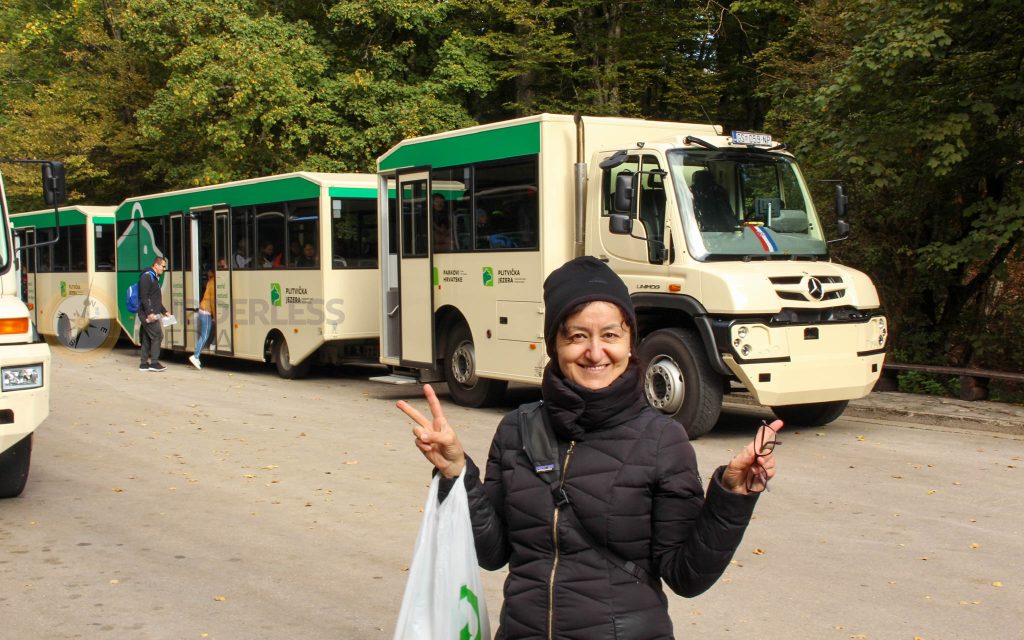
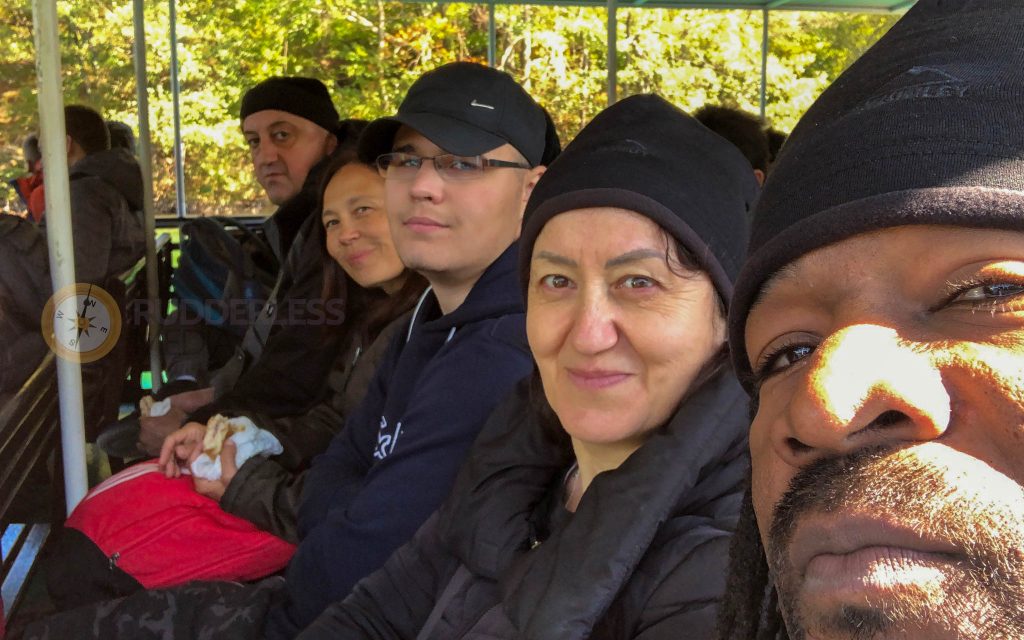
It’s not exactly a “train” in the traditional sense, but this heavy-duty shuttle bus on wheels is a great option for those who are concerned about the physical demands of the trails. It runs along the high ridges of the park, dropping you off at various stops along the way. The shuttle is included in your ticket and is the best way to get from the bottom of the canyon back up to the top without having to climb 500 stairs.
Electric Boat Rides
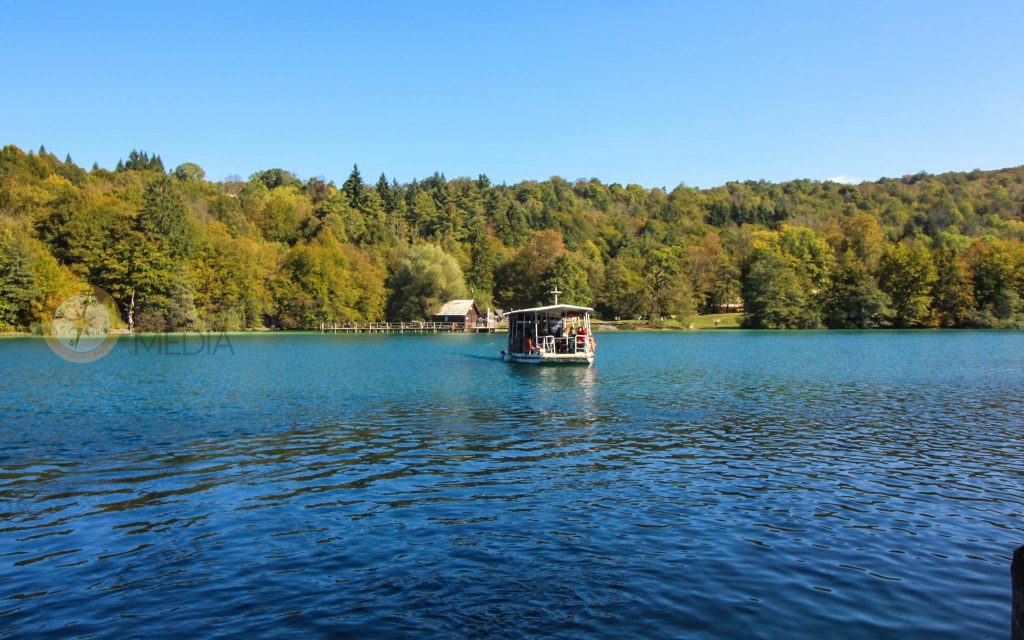
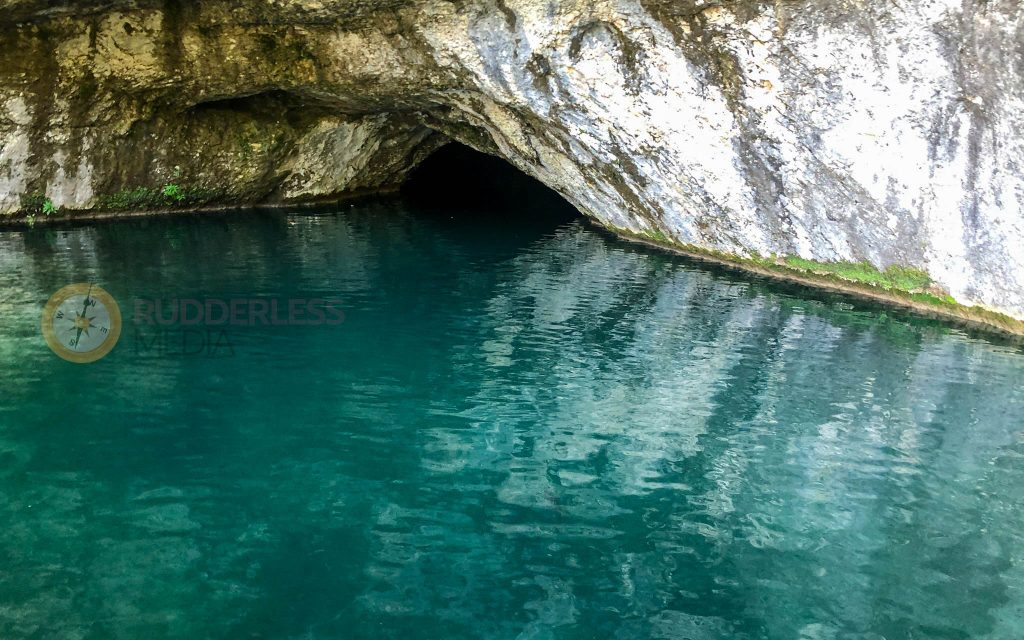
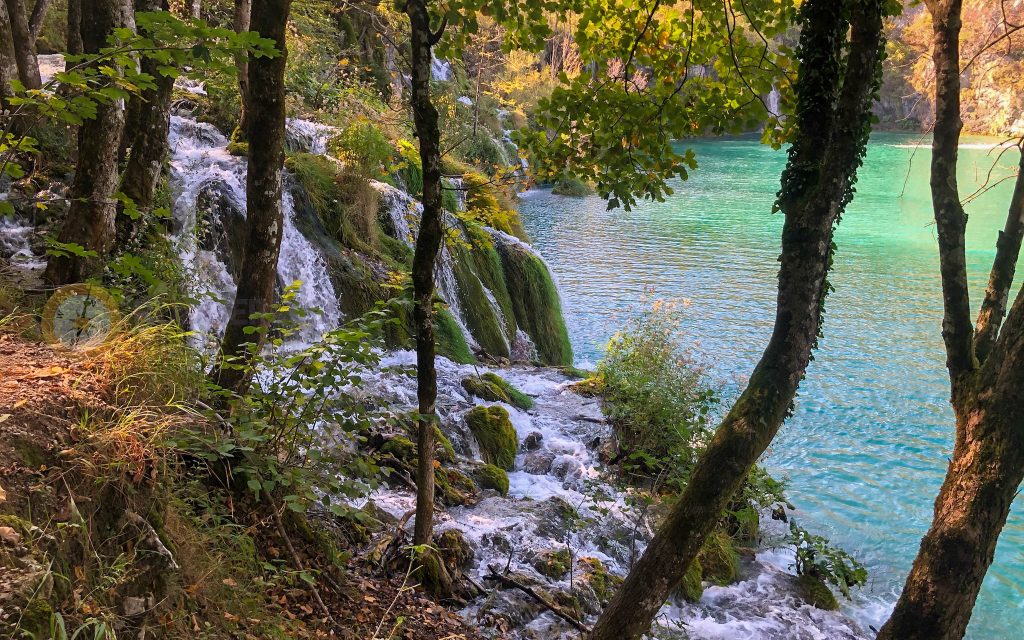
If your legs need a break and you want to spend time on the water, the electric boats on Lake Kozjak are a great option. They connect the Upper and Lower lakes, allowing you to see the park from a new perspective. It’s a silent, eco-friendly way to check out the park and take in the scale of the surrounding cliffs.
Rowboat Rentals
You can rent small wooden rowboats at the P1 on Lake Kozjak. This is a great way to get away from the crowds and find a quiet corner of the lake to take in the still beauty. It’s an hourly rental and even provides a great upper-body workout if you want to prioritize a full-body workout during your visit.
Guided Tours
If you don’t want to spend your whole day staring at a map or worrying about missing the best viewpoints, you may be interested in booking one of the many professional Plitvice Lake tours. These guides don’t just show you the hiking trails; they explain the geology of the travertine barriers and share the local folklore, like the legend of the Black Queen. IT’s the best way to fully understand the magic of the park.
Skiing and Sleighing
If you visit during the colder months, the park transforms into a winter wonderland. The Mukinje Ski Resort, near Entrance 2, is great for beginners, families, and recreational skiers. You don’t even need to pack your own gear; the resort provides rentals for skis, snowboards, sleds, and even “snow saucers.” On Friday and Saturday nights, they often turn on floodlights for night skiing, a magical way to end your day in the park.
Find Adventure Among the Waterfalls of Plitvice Lakes
Whether you’re standing in awe of the waterfalls, watching the spit-roast turn at Lička kuća, or waking up among the trees at Camp, Plitvice Lakes is more than just a destination. It’s a living, breathing example of nature’s beauty. From the emerald waters of Lake Kozjak to the snowy slopes of Mukinje, Plitvice Lakes National Park offers a rare chance to disconnect from the modern world and reconnect with the wild.
FAQs
Can You Swim in Plitvice Lake?
The short answer is: No. While the water looks incredible, swimming has been strictly prohibited in the park since 2006 to protect the delicate barriers that serve as the foundation of the lakes. If you want to go swimming, there are areas nearby outside of the park boundaries, like the Korana River.
What Is the Best Time to Visit Plitvice Lake?
The best time to visit Plitvice Lake is going to depend on your favourite activities and what you want to see. In the spring, the waterfalls are at their most powerful due to melting snow. The park is stunning in autumn with the contrast of fiery orange leaves against the turquoise water.
Is Pltivice Lake Busy in Summer?
Yes, if you visit in July or August, be prepared for massive crowds and the heat, as this is the busiest time of the year.
Is It Worth Visiting Plitvice Lake in Winter?
If you’re considering a visit to Plitvice Lake in winter, walking through the park is like stepping into a real-life Narnia. When the temperatures drop, the waterfalls freeze into massive ice sculptures, and the crowds vanish. It’s incredibly peaceful. However, it will depend on what you want to do. If you want to go hiking, the Upper Lakes are closed, boat and train schedules are limited, and the boardwalks can be very icy. If you’re interested in skiing, this is a great opportunity.
Is Plitvice Lakes Accessible for Beginners or Families?
Plitvice Lakes is very beginner-friendly and great for families, provided you choose the right trails and activities. Most of the main sightseeing routes are made up of well-maintained wooden boardwalks and paved paths with gentle inclines, making them a safe option for children and casual walkers. The Lower Lakes offer the most “bang for your buck” hiking opportunities with minimal climbing. For those concerned about hiking, the panoramic shuttle and electric boats also make it easy to see the highlights.