Off-The-Beaten-Path Rhine Gorge: Hiking Castle Trails & Vineyards Slopes

Ask any seasoned European river cruise traveller, and the universal reply would be that a cruise along the Rhine was not only the best luxurious multi-destination exploring vacation, but also a deep life-enriching experience.
Fairy-tale castles, dramatic gorges, steep vineyards, ancient towns and half-timbered villages ensures that sightseeing on a cruise along the Rhine will never fail to be anything less than extraordinary.
However, the highlight of any classic Rhine river cruise is undoubtedly the UNESCO listed 65km Middle Rhine section, otherwise known as the Rhine gorge, where as many as 40 castles were built, as defence fortifications, between the12th and14th centuries.
A Rhine river cruise offers a captivating journey through history, but for those who have already explored this region and long for a taste of something beyond the tourist radar, here is a pick of some top off-beat activities one can enjoy on the Rhine gorge section of the cruise trip.
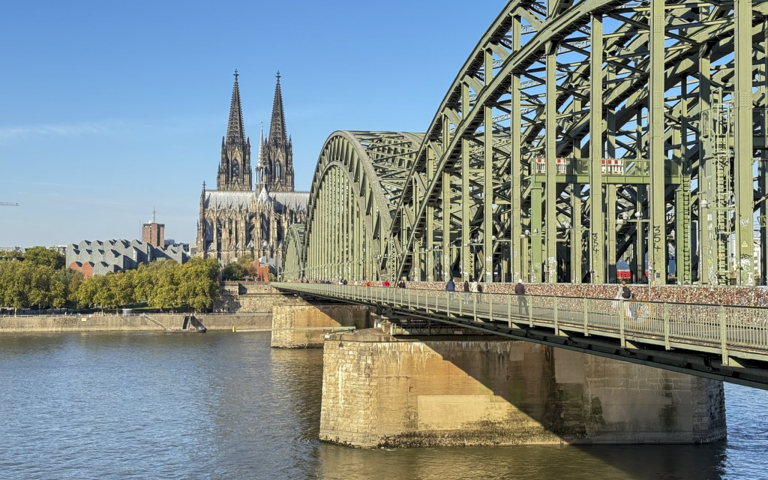
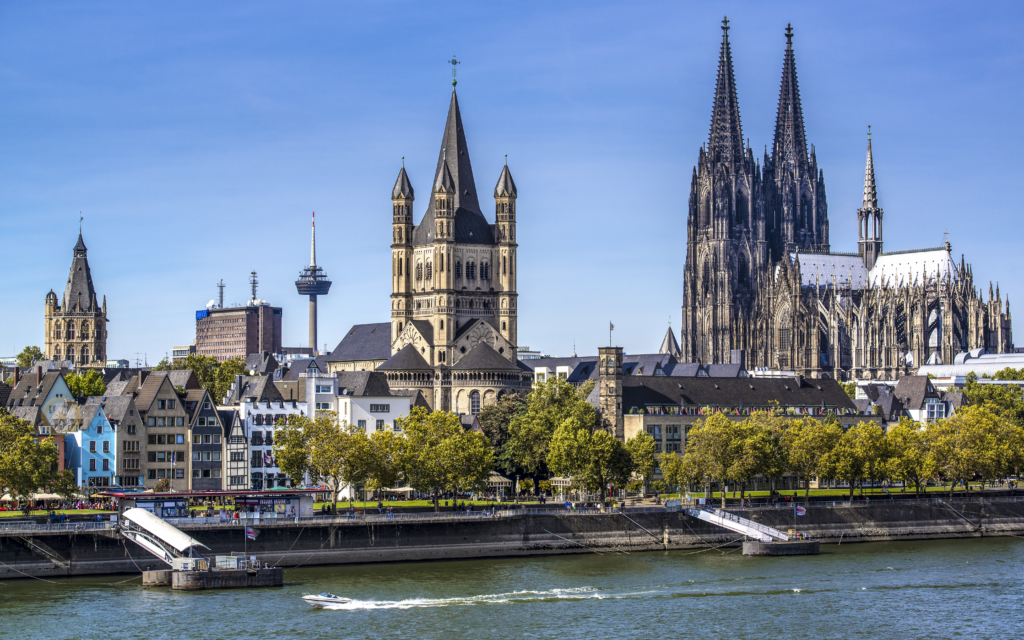
A typical 7-nights Rhine river cruise itinerary will begin in Cologne, the beautiful German city of Gothic grandeur and soaring spires, and the flamboyant 19th century Schloss Drachenburg.
From here you will make your way to Amsterdam, followed by the scenic Rhine gorge section of Koblenz-Rudesheim/Bingen, to Strasbourg before ending at Basel, in Switzerland.
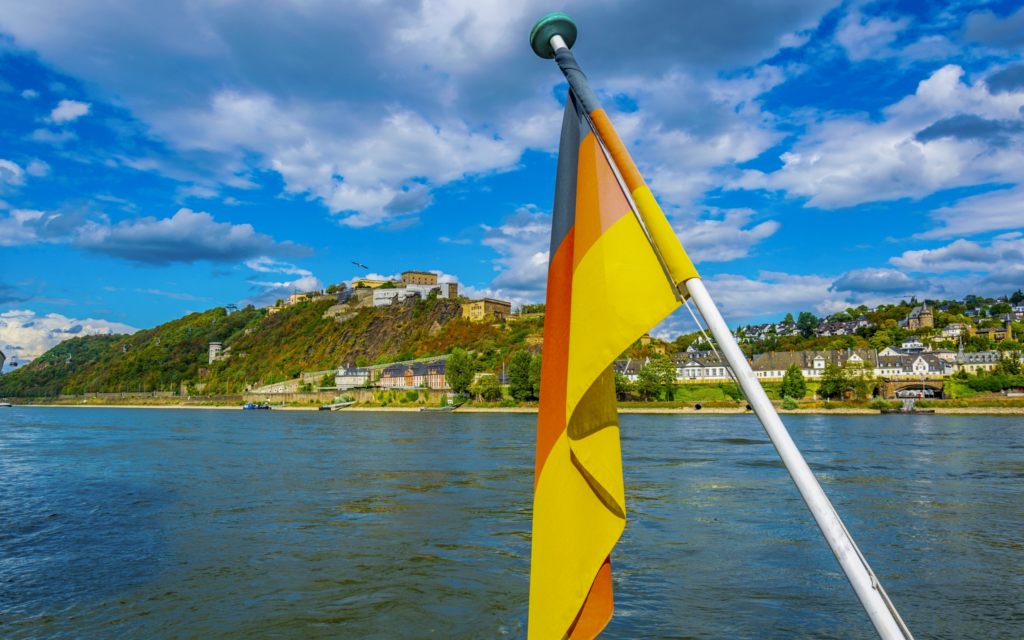
Festung Ehrenbreitstein: Europe’s largest fortress
Built as a symbol of Prussian power between 1817 and 1818, the castle houses a significant art collection and other items of natural history and photography, due to which it never suffered any serious damage during WWII.
Taking the cable car from Koblenz is the best way to visit the castle and enjoy the views over the city from a vantage spot in the beer garden.
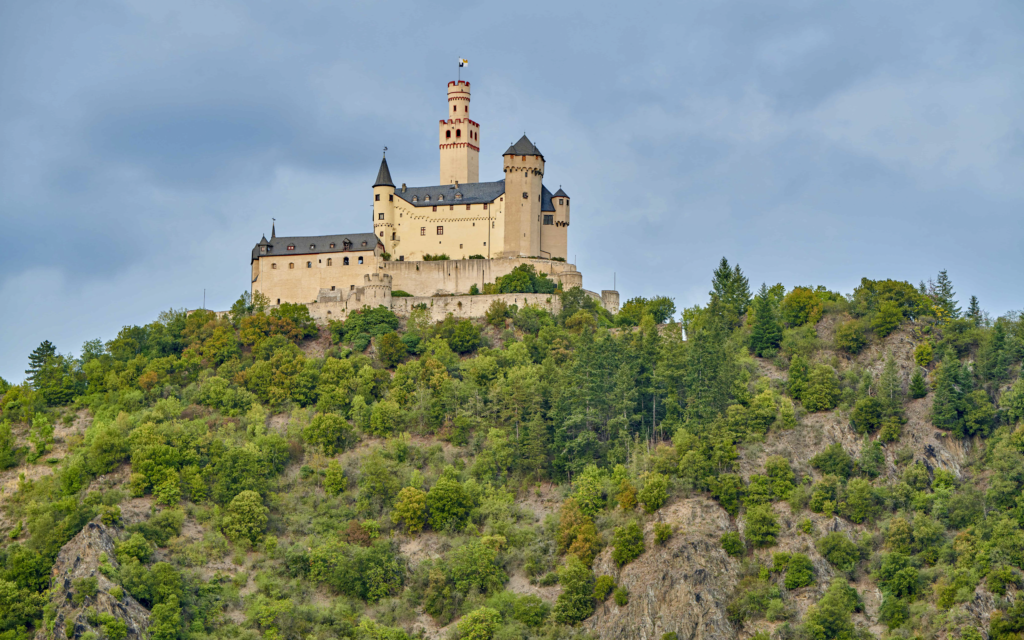
Marksburg Castle: Best preserved medieval fortification
If you fancy a trip to the Middle Ages, then visit the highly impressive Marksburg Castle, the only hilltop fortress on the Middle Rhine that escaped destruction.
From the castle kitchen to the Knight’s Hall, the completely preserved buildings not only provide unique glimpses into the past, but fabulous views of the Rhine river and the picturesque town of Braubach below.
The castle sits on a 90m high rocky cone and the best way to gain a better insight of this historic fortification is by joining a conducted tour where you will be shown the interesting interiors and learn about the life of the people who once occupied the place.
Burg Rheinfels: Siege Courageous
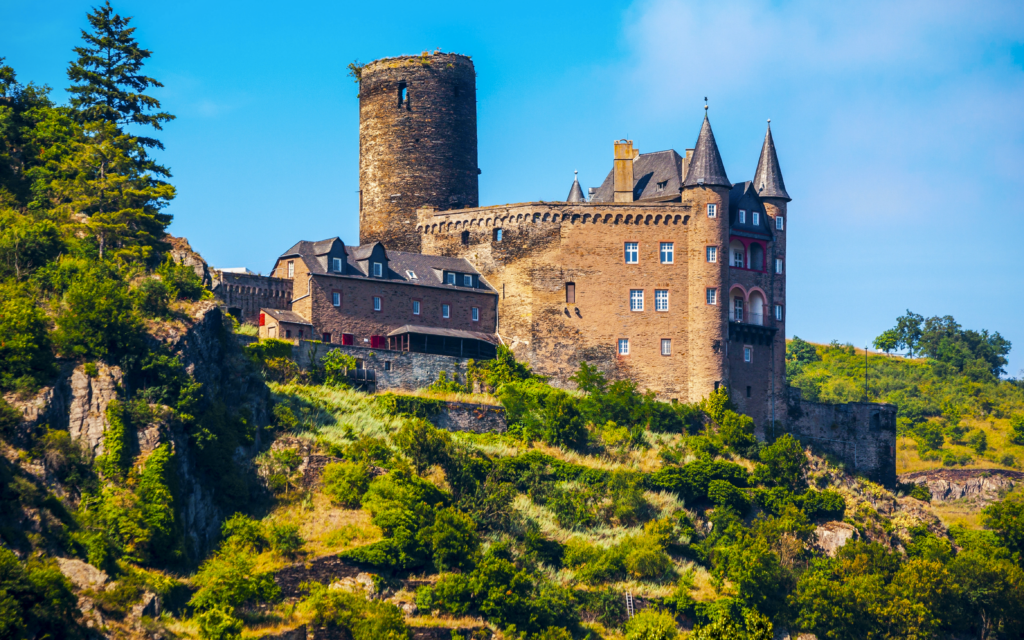
Once the largest of its kind on the Rhine, Rheinfels is now in ruins. Built in 1245 over the town of St Goar, the castle, thanks to its extensive network of tunnels, successfully defended the 1692 siege of Germany.
Unfortunately, the fortifications were destroyed by the French Revolutionary Army in 1797, but one can still appreciate the views of the Rhine and the Loelei Rock from the ruined battlements.
The Rhine Castle Trail:The Left Bank Alternative
The 200km RheinBurgenWeg along the Rhine’s left bank, stretches from Rolandsbegen to Bingen and offers a different perspective to the same castles and the gorge.
Mittelrhein:The steep wine slope region
Even though Mittelrhein wine region is spread over only 470 hectares of vineyards, the concentration produces exceptional quality wines, especially of the Riesling variety.
The steep 30 degree slopes allow harvesting only by hand, an aspect of viticulture that defines the characteristics of the wines produced here.
Other key wine towns on the Rhine gorge are:
- Boppard: Home to “Boppard Hamm” the largest continuous vineyard in Germany
- Streeg & Bacharach: Both excellent vineyard sites besides St Jost, Posten and Wolfshohle.
- Oberwesel: Pinot Noir accounts for nearly 9-12% of plantings on the notable vineyard sites here
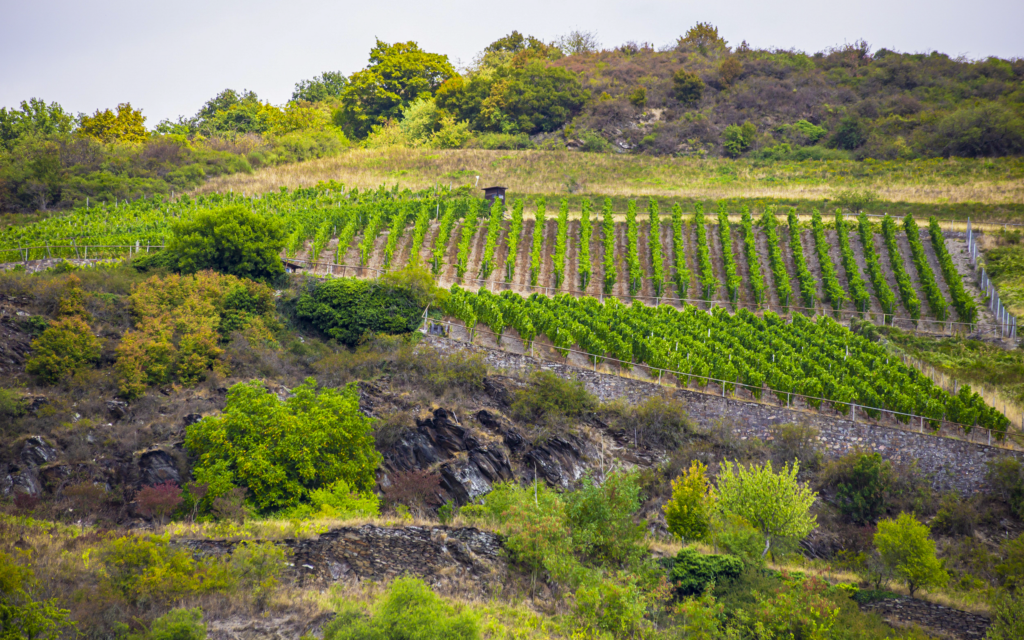
Small family wineries in the Rhine gorge stretch, particularly in Bacharach and Oberwesel, offer tastings in centuries old cellars, but only by appointment.
These experiences may lack a bit of polish, but are known for their authenticity and interaction with winemakers who harvest these vineyards at impossible slopes only by hand.
Guided walks with tasting stops through vineyards are particularly interesting popular around the Rudesheim region. They provide a combination of stunning scenery and tasting sessions that create memorable experiences.
Watching handpicking on the steep slopes during the September to October grape harvesting season is when viticulture transitions from landscape features to agricultural reality.