Top Things to Do in Valletta, Malta: 2 Day Malta Itinerary

I had a friend from elementary school who was from Malta, but other than that, I never really thought anything of it.
Then the Mother of Dragons flew onto HBO and caught my attention.
The silent city, Mdina, was used as the original King’s Landing before the Lannisters moved everything and set up shop in the walled city of Dubrovnik, Croatia. Ever since the first season of Game of Thrones, I’ve been putting together a list of the top things to do in Valletta, Malta and beyond.
From the Blue Grotto, Dingli Cliffs and Upper Barrakka Gardens, to the Blue Lagoon, Gozo and Comino, the more I researched places to visit in Valletta, the more I fell in love with this gorgeous island. And who knows, maybe I just might run into Daenerys Targaryen and her dragons.
Honestly, the island of Malta reminds me of the cities I would try to create with a shovel, bucket, dump truck and digger in a sandbox as a child. The result is a truly special experience, one that made my inner child VERY happy.
Interested in visiting?
During my 3 days in Malta, I set out to create the perfect Malta itinerary. But before we dive into that, let’s start with some history…
Subscribe to our YouTube Channel for more in-depth stories and interviews.
THE HISTORY OF MALTA: A UNESCO WORLD HERITAGE SITE
- Believe it or not, during the last Ice Age, Malta was a high mountain joined to Italy by land.
- In about 5,200 BC, Stone Age farmers came to Malta from Sicily and started farming the soil using simple tools of stone and wood.
- Aside from making pottery and using primitive tools, those farmers created an advanced society, which from about 3,600 BC to about 2,500 BC included great temples as well as a series of underground chambers.
- On 2 September 1798, the Maltese rose in rebellion against the French at Mdina.
- Malta joined the EU in 2004, and in 2008, Malta joined the Euro.
HOW TO GET TO MALTA
Plane
Considering flights to Valetta to cut down on your travel time? All flights arrive at Malta’s one international airport, which is no more than 45 minutes by car or taxi from anywhere on the main island (or a little longer by bus).
British Airways (ba.com) flies to Malta from Gatwick.
Malta’s national carrier, Air Malta (airmalta.com), goes from Heathrow, Gatwick and Manchester as well as smaller regional airports during the summer, such as Glasgow, Birmingham, Bristol, Cardiff, Exeter, Newcastle and Norwich.
Boat
Being an island, it should come as no surprise that you can get to Malta by boat. There are two options to consider: boarding a cruise or riding on a ferry. Here’s a little more information:
Cruises
As more and more tourists discover this beautiful island, an increasing number of cruise ships are stopping in Malta’s Grand Harbour just outside the city walls. This is a great way to explore the many things to do in Valletta as part of a larger vacation.
Ferries
There is a regular ferry to Malta from Sicily / to Sicily from Malta (both from the cities of Catania & Syracuse). It docks at the Valletta Waterfront, giving you easy access to the island. Getting to and from can take as little as an hour and a half, and it is run by Virtu Ferries (virtuferries.com).
Car
Getting to Malta by car would require taking the ferry, as already mentioned above. If you are already renting a car to explore Sicily or as part of a larger trip, this may be a great way to include Malta in your itinerary. However, even if you aren’t driving to Malta, I do suggest you consider renting a vehicle while you’re there.
Malta is tiny. While there is public transit on the island, the buses can be a slow way to get between the forts and beaches. If you’re comfortable driving on the left, renting a car is the best way to see the island on your own time. For rentals, I recommend Discover Cars. They compare all the local Maltese agencies so you can pick up a car at the airport and be at your hotel in under 45 minutes.
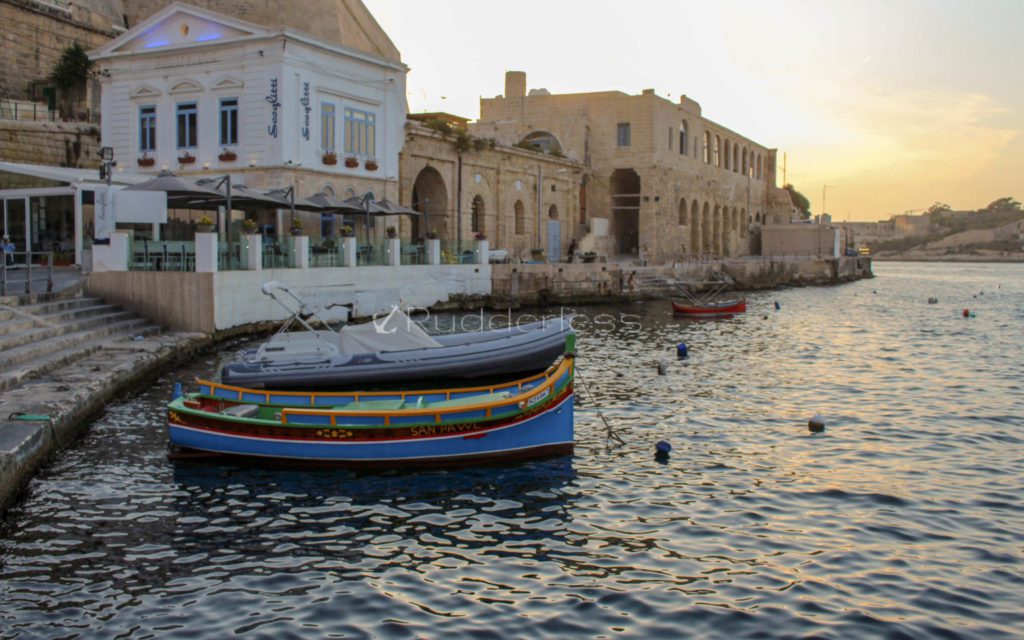
WHERE TO STAY IN MALTA
Deciding on the best area to stay in Valletta (or around it) will set the tone for your whole trip. Because Malta is compact and well-connected by buses or roads (if you have a car), you have a lot of flexibility, depending on your travel style and budget. But don’t let this overwhelm you!
If you want to stay in the center of the action, staying directly in the historic capital is an unforgettable experience. The city is packed with character, and you will find everything from ultra-luxurious vacation rentals to charming boutique hotels in Valletta. For budget-conscious travellers, there are also highly rated hostels in Valletta to consider.
However, you don’t necessarily have to sleep in the city to enjoy it. During my stay, I chose to book an Airbnb in Silema, which turned out to be an incredible alternative. It’s such a beautiful part of Malta with a couple of great gems to explore (more on that to come).
Whether you opt for the authentic Airbnb Valletta experience right inside the city gates or look across the harbour like I did, you truly can’t go wrong.
PLACES TO SEE IN MALTA: STARTING IN SLIEMA (DAY 1)
As I mentioned, my Airbnb was located in Sliema. Just across the harbour from Valletta, this beautiful little spot quickly captured my heart.
If you aren’t staying here, it’s well worth including a day trip in your Valetta itinerary. Sliema is known for its numerous rocky beaches, baths, water sports, and hotels, all of which are worth checking out. Here are a couple of my favourite Sliema locations to explore:
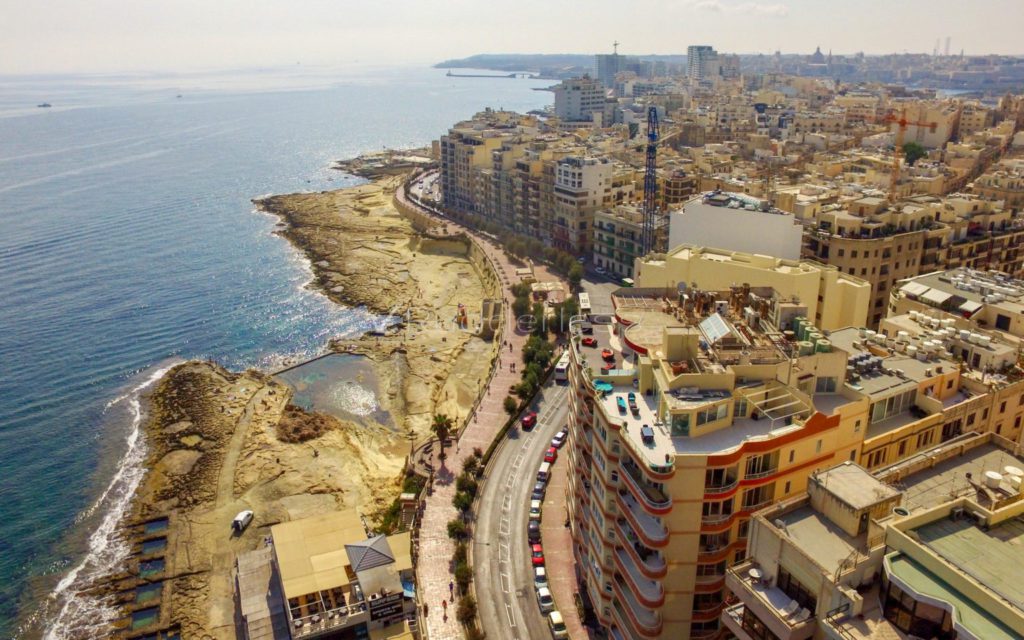
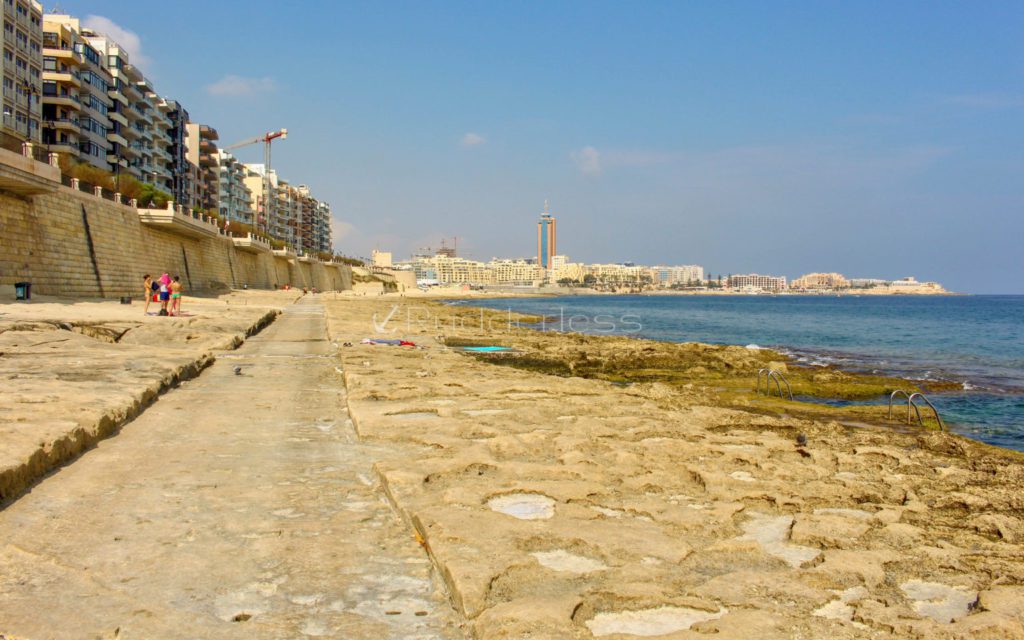
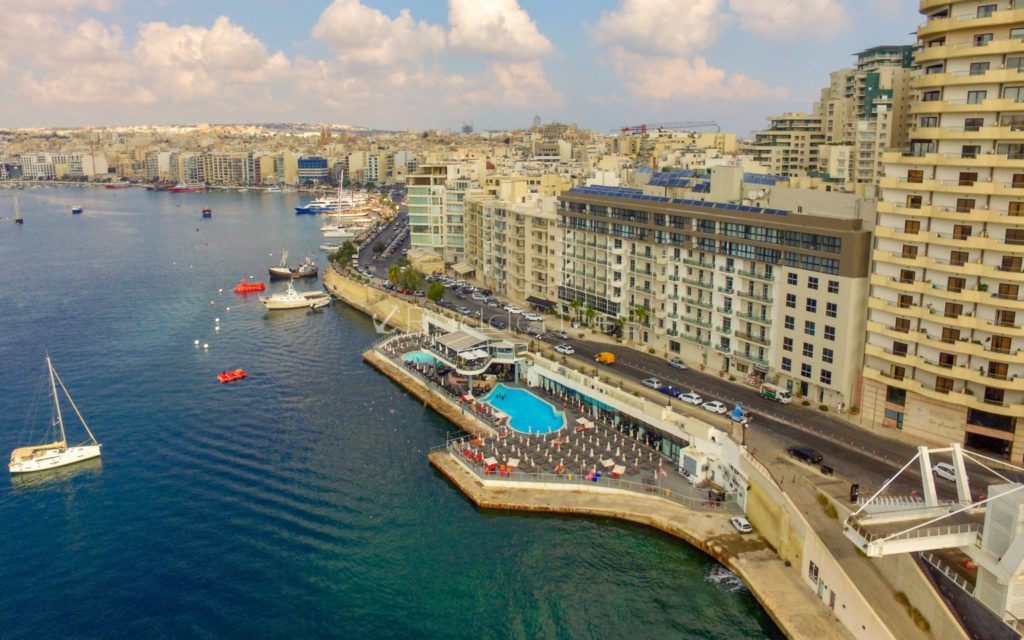
Sliema Front & Fond Għadir Beach
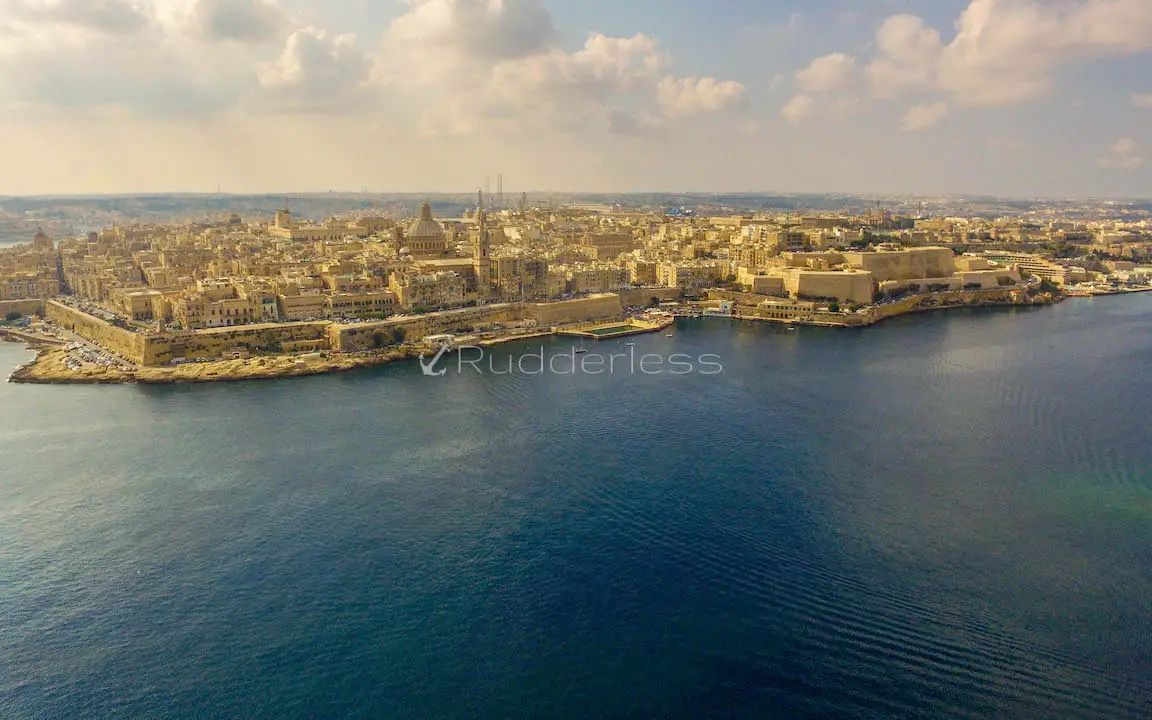
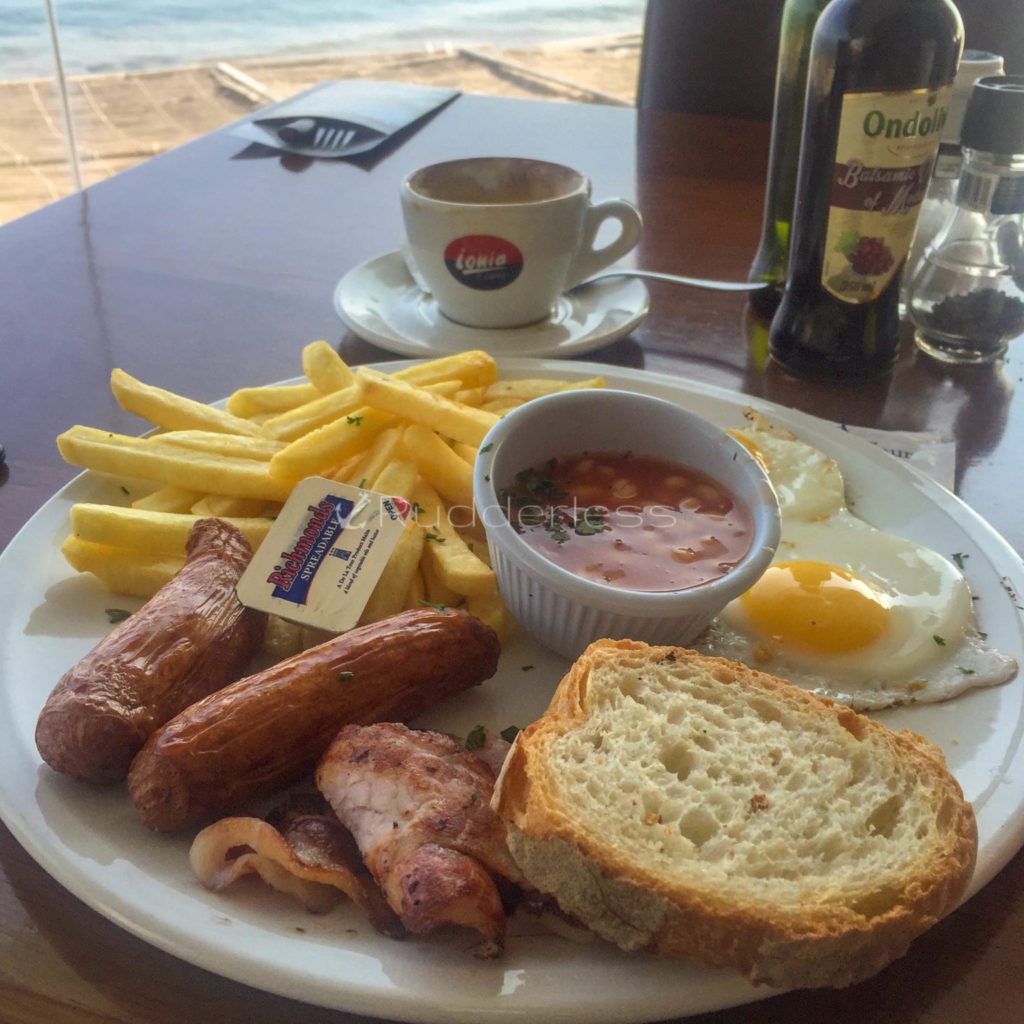
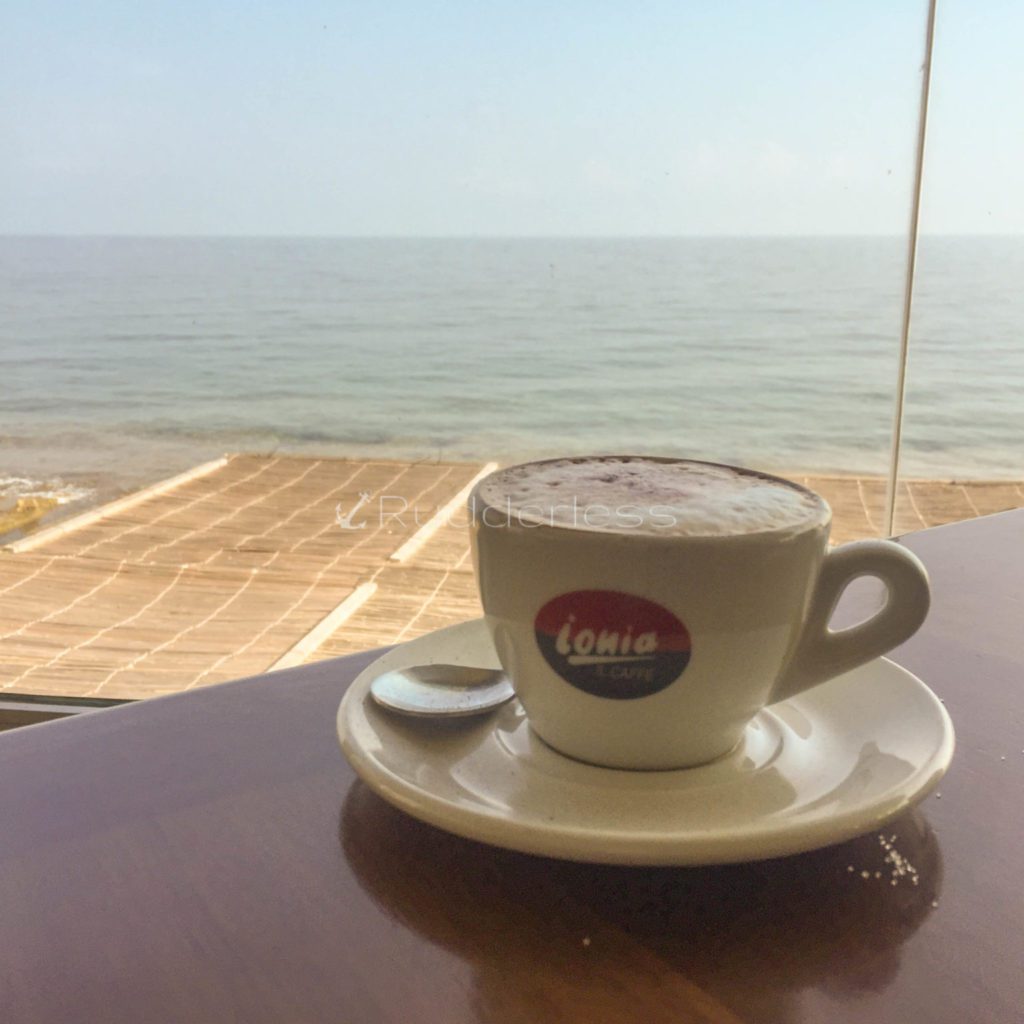
Sliema, which means ‘peace’ or ‘comfort,’ was once a quiet fishing village. Now, it’s a major residential and commercial area for shopping, dining and sitting in cafes. Along the coastline is a promenade known as the Sliema Front, which attracts joggers, walkers, romantic moonlit strolls and open-air restaurants and cafes. I suggest taking a walk along the coastline and taking in the view of Valletta from the water.
Fort Tigné
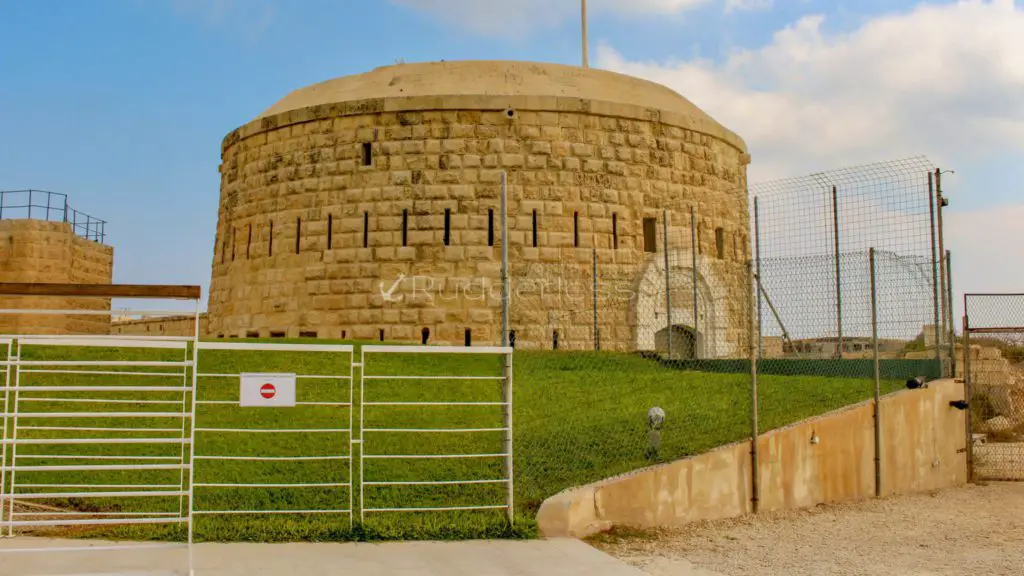
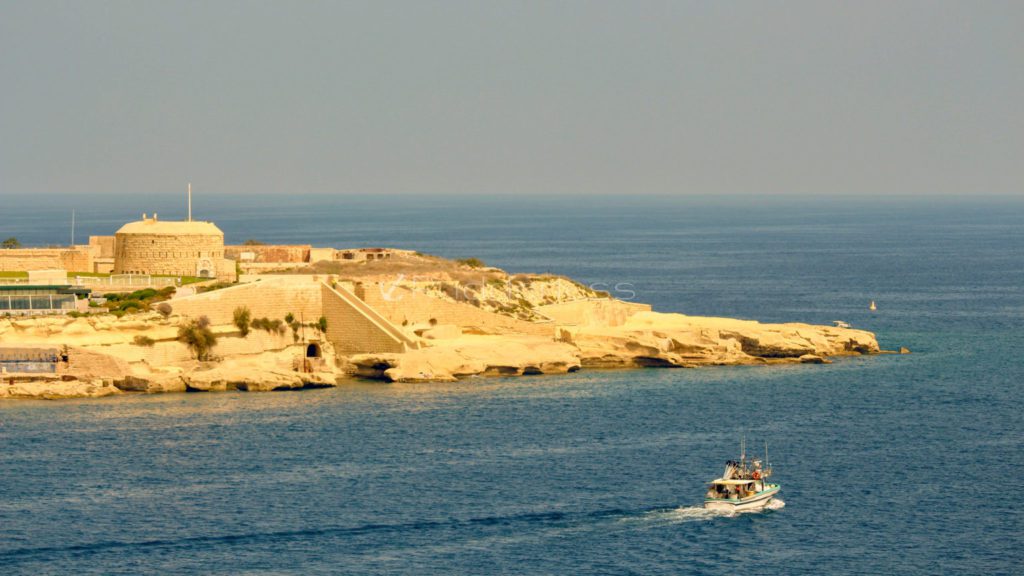
Fort Tigné is a polygonal fort in Sliema’s Tigné Point. It was built by the Order of Saint John between 1793 and 1795 to protect the entrance to Marsamxett Harbour, and believe it or not, it is one of the oldest polygonal forts in the world.
THINGS TO DO IN VALLETTA (DAY 1 CONTINUED)
After spending some time in Sliema, I then made the short trip over to Valletta, the capital of Malta. From Sliema, it’s a quick 15 (or so) minutes by ferry. This beautiful city is a UNESCO World Heritage site and an open-air museum all rolled up into one. There are loads of things to do and places to visit in Valletta during your visit. You won’t be disappointed.
With so many sand-coloured forts, it reminds me of those incredible sand sculptures that you would see on the beach.
Throughout the years, Valletta has been home to emperors, heads of state, artists and poets. It’s loaded with cute cafés and wine bars, most of which offer seaside views.
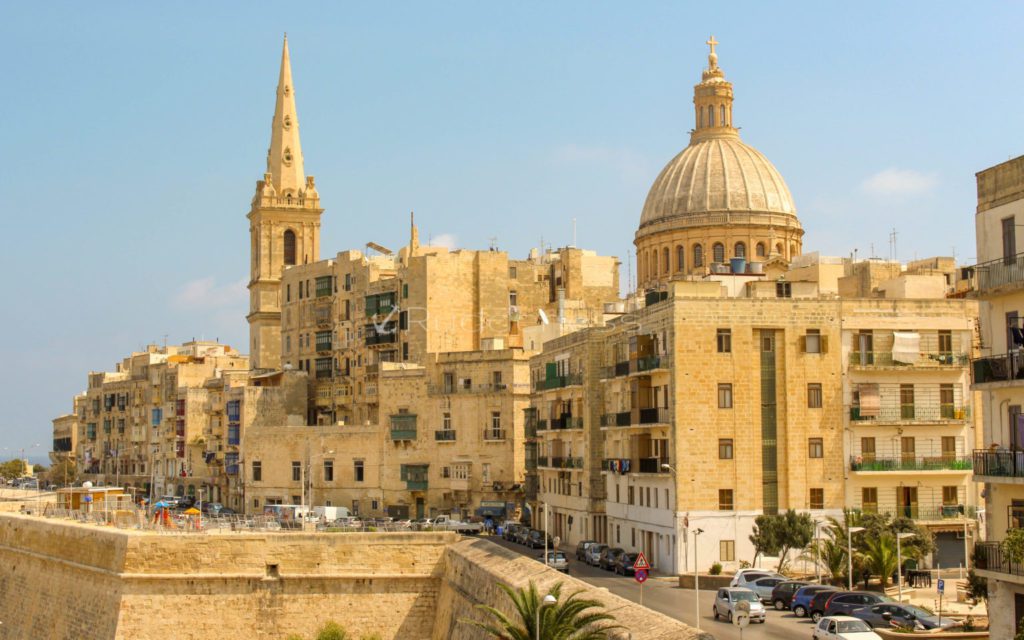
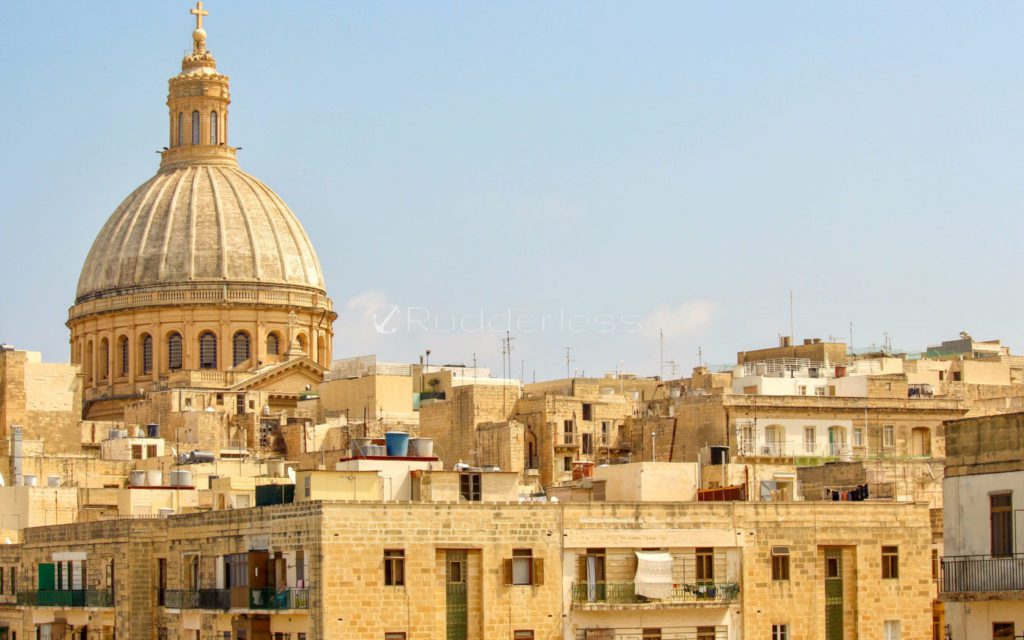
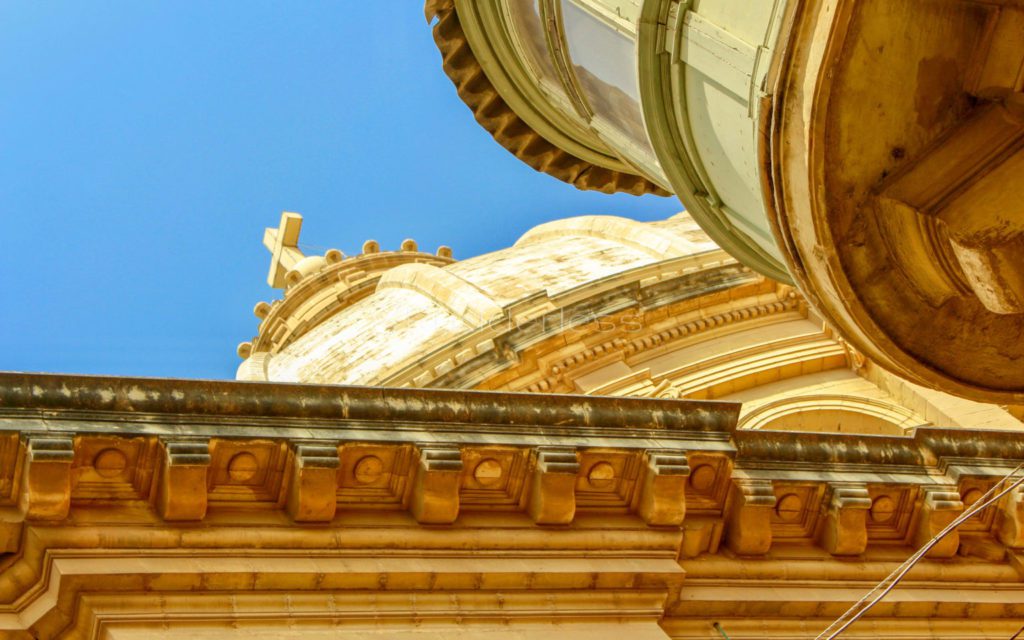
The Basilica of Our Lady of Mount Carmel
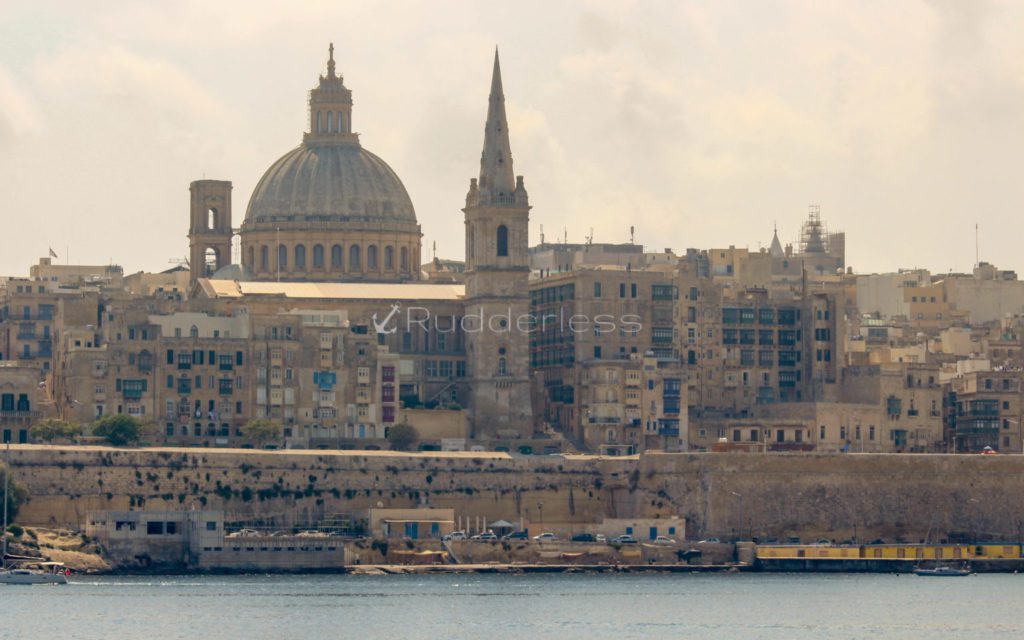
The Basilica of Our Lady of Mount Carmel is a Roman Catholic church originally built in 1958. The current structure was built between 1958 and 1981 on the site of the original church, which was destroyed during World War II. It overlooks the waterfront of Sliema and is the most recognizable building on the skyline, mainly because of its size and beautiful design.
If you’re around at the right time, you might be lucky enough to catch a traditional Maltese wedding.
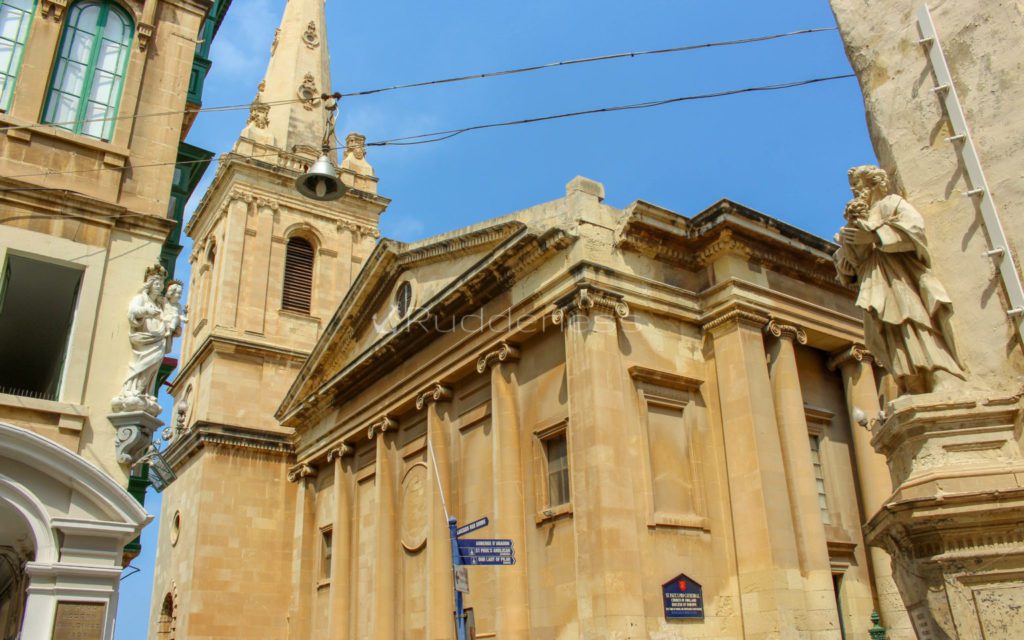
St Paul’s Pro-Cathedral
The Pro-Cathedral and Collegiate Church of Saint Paul is an Anglican church located in Valletta’s Independence Square. A “pro-cathedral”, which I’ve never heard of before, is a church with cathedral status. It is one of three cathedrals of the Anglican Diocese of Gibraltar in Europe. The limestone structure underwent a restoration between 2017 and 2024, a project that was honoured at the XVIII Din l-Art Ħelwa Architectural Heritage Awards.
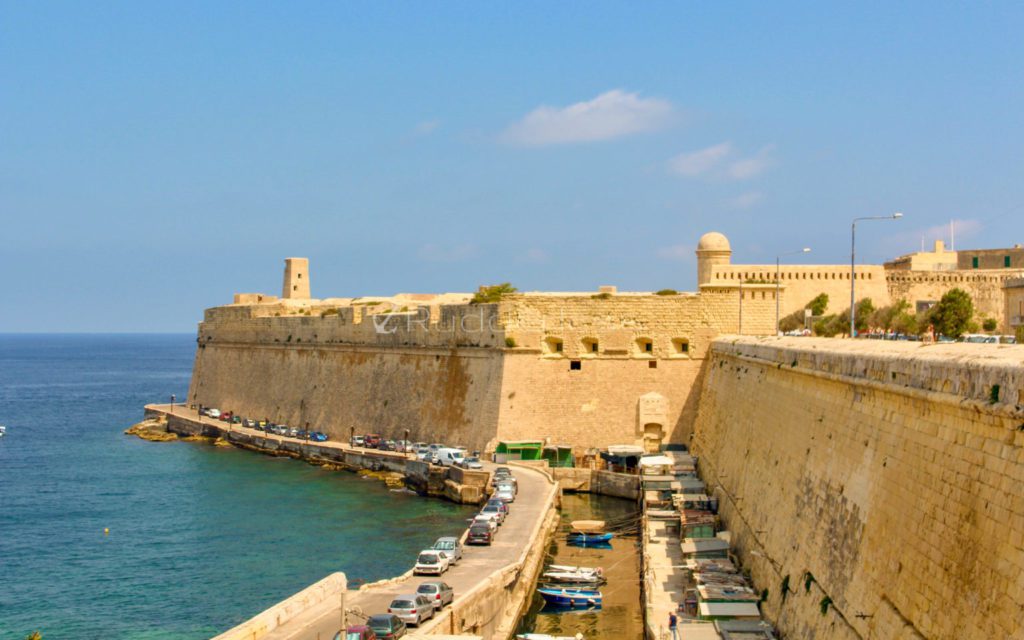
Fort St Elmo
Fort Saint Elmo is a star fort best known for its role in the Great Siege of Malta in 1565. The fort hosts the National War Museum, which has a great collection of items dating back to prehistoric times, starting with the Bronze Age (around 2,500 B.C.). I was moved by the striking photos showing life in Malta during World War II. If you are a history buff, this is definitely one of the attractions in Valletta that you don’t want to miss.
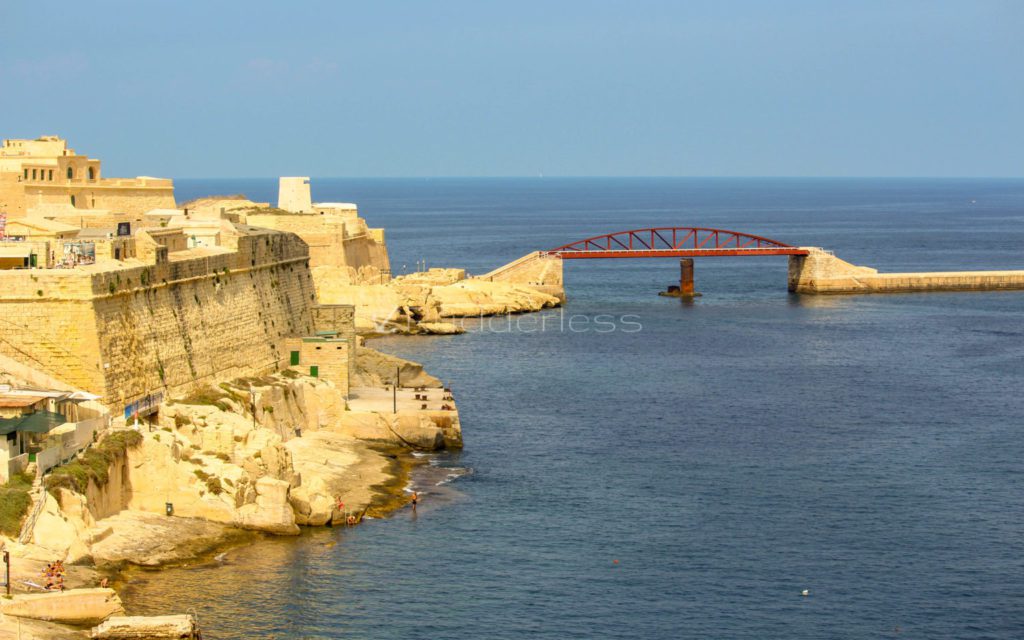
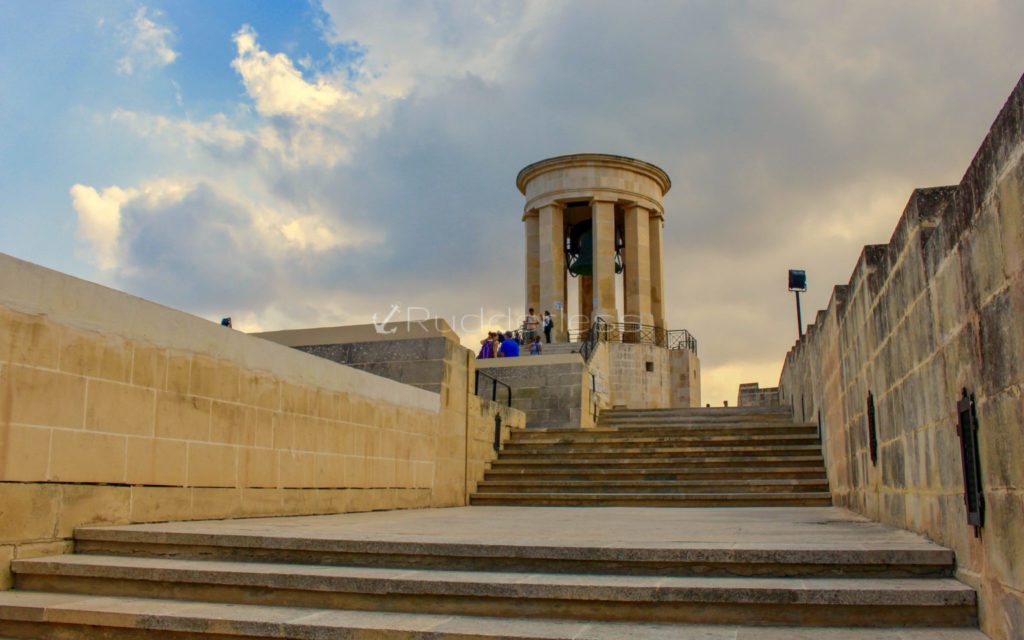
Siege Bell War Memorial
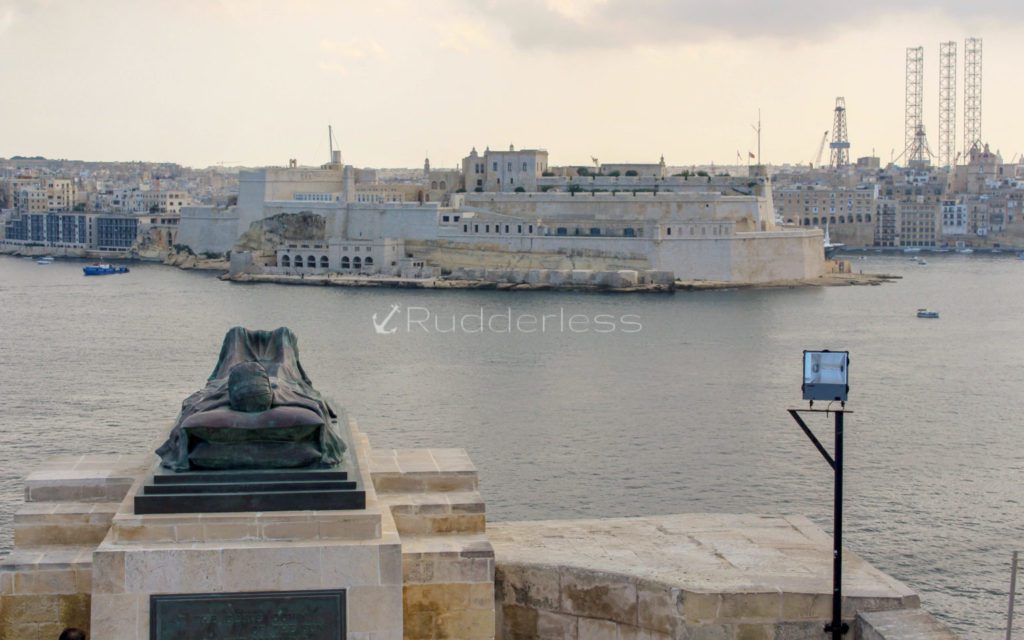
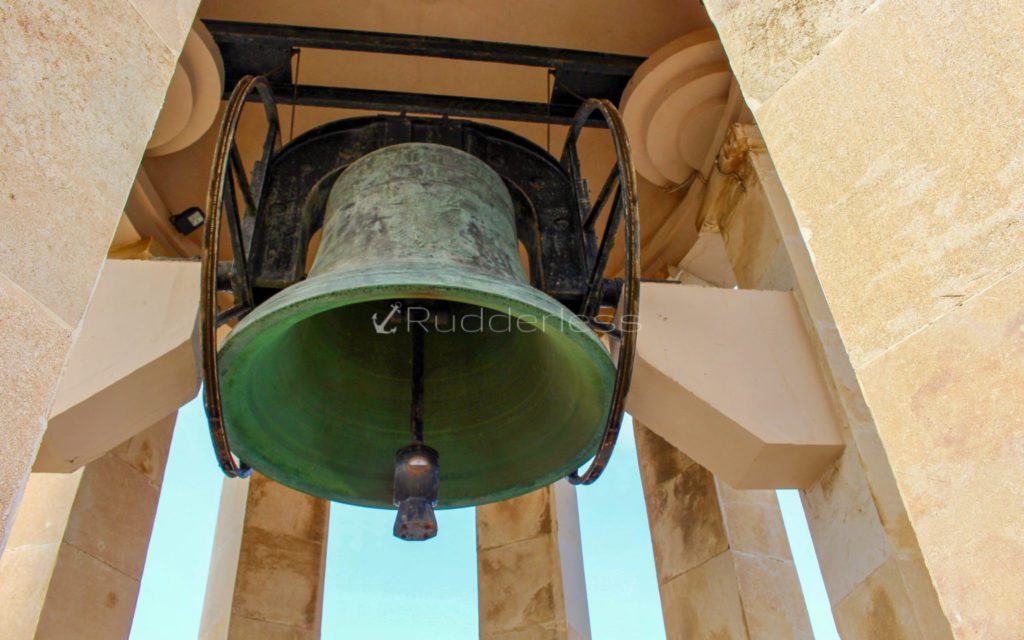
Siege Bell War Memorial was designed by Michael Sandle and erected in 1992 to commemorate the victory of the Allied forces during the Second Siege of Malta from 1940 to 1943. Every day at noon, the bell rings across the peaceful waters of Grand Harbour in memory of the people who fought and died for Malta during World War II.
Lower & Upper Barrakka Gardens
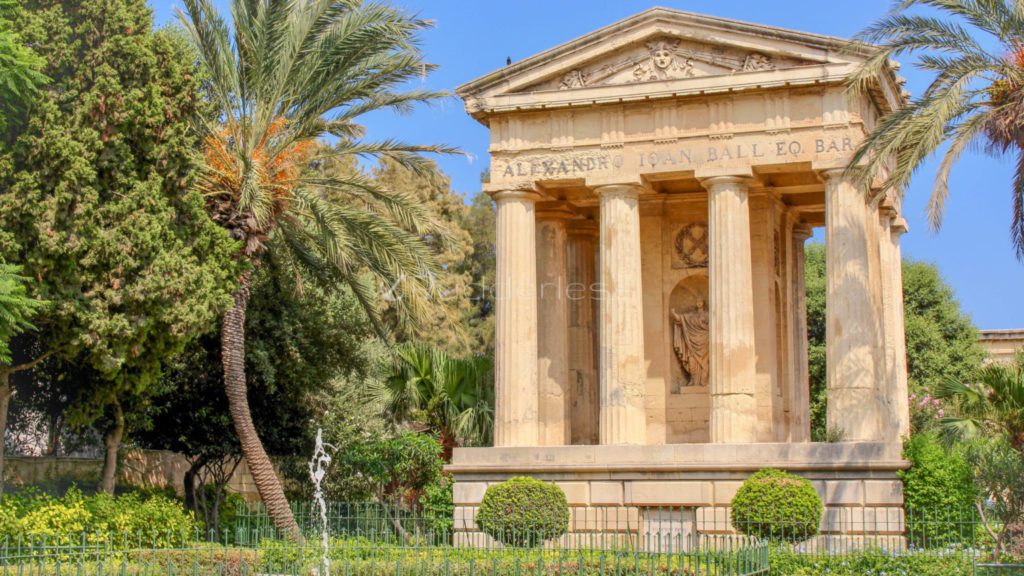
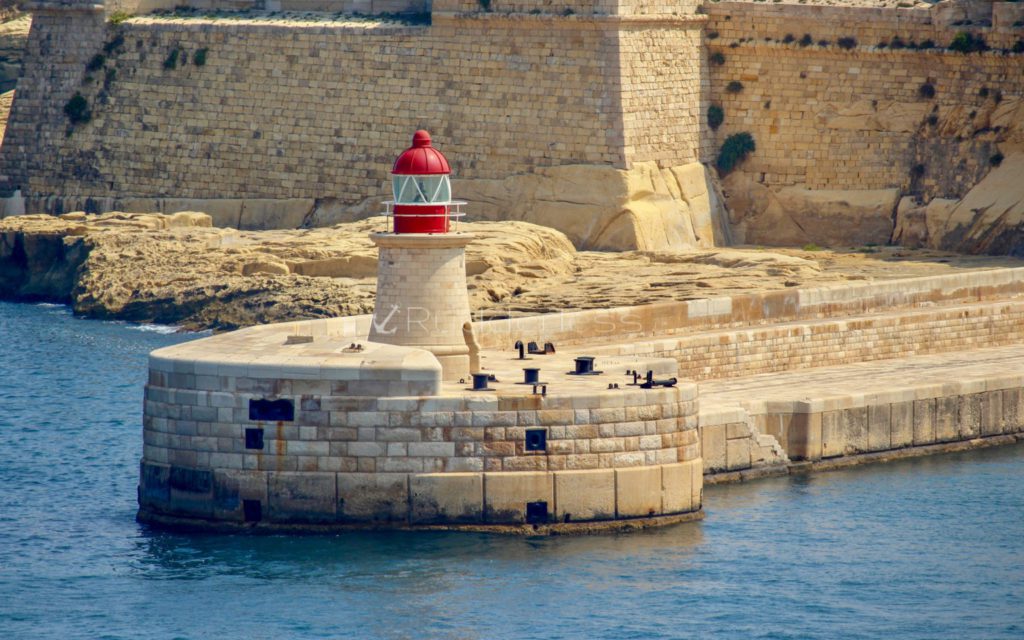
Lower Barrakka Gardens and its twin Upper Barrakka Gardens offer this incredible view of the Grand Harbour. The Lower Barrakka Gardens are situated at the lower end of Valletta on the bastions, overlooking the entrance to the Grand Harbour. The gardens also overlook the breakwater, Fort Ricasoli, Rinella, Kalkara, Heritage Malta, Fort St. Angelo and Senglea.
Forti Rikażoli
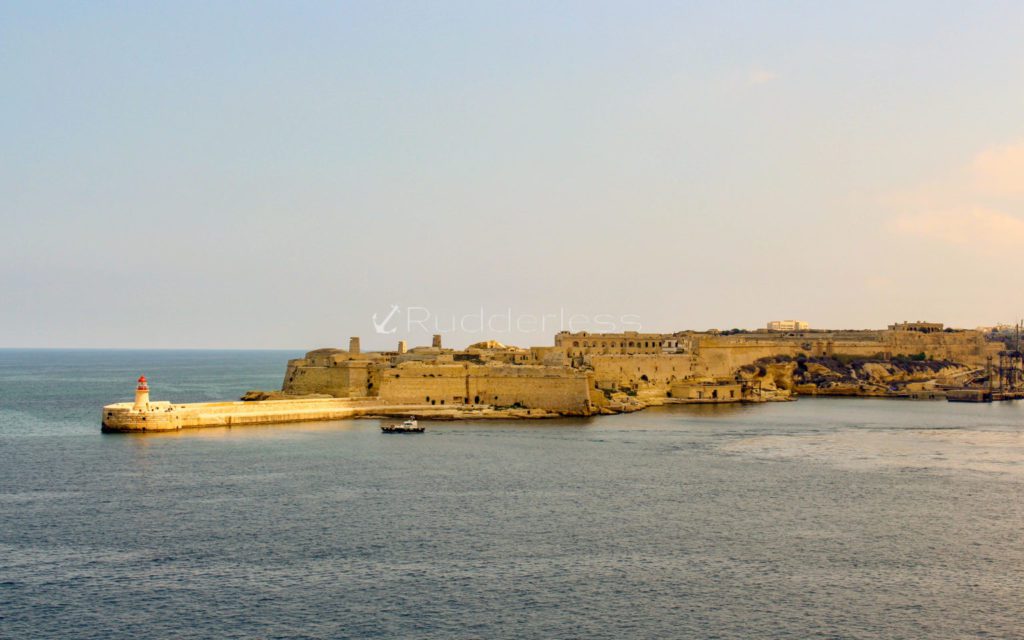
Fort Ricasoli is a bastioned fort in Kalkara, Malta, which was built by the Order of Saint John between 1670 and 1698. The fort is the largest in Malta, sits on a peninsula known as Gallows’ Point and on the north shore of Rinella Bay. Along with Fort Saint Elmo, they guard the entrance to the Grand Harbour.
Heritage Malta
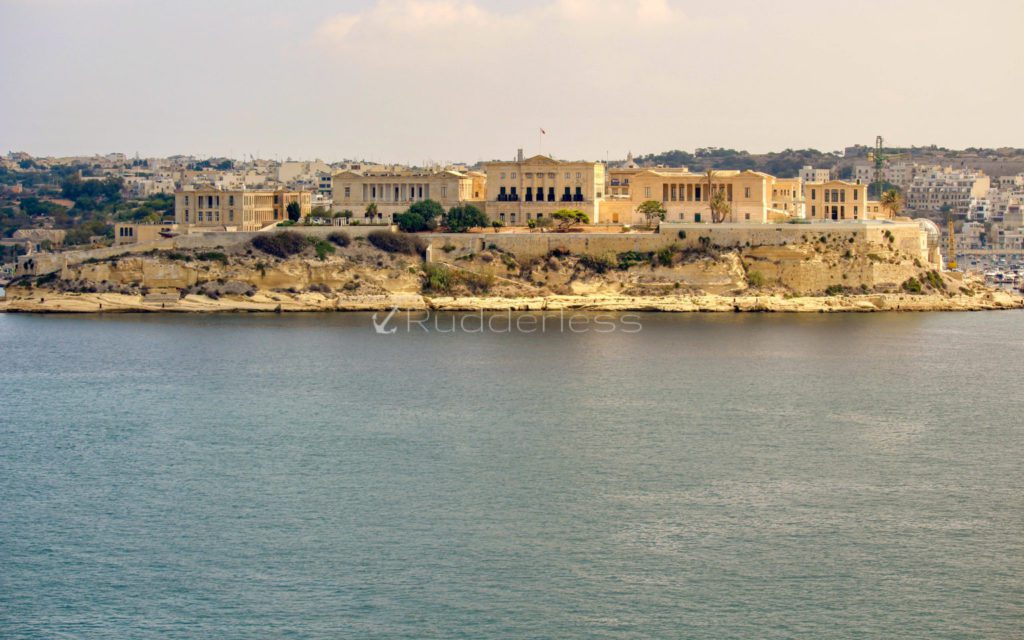
Heritage Malta was created by the Cultural Heritage Act, which was enacted in 2002, replacing the former Museums Department. Originally, Heritage Malta was tasked with the management of museums, sites and their collections, but in 2005, the agency took over the Malta Centre for Restoration and became the national agency responsible for conservation.
This isn’t a single location to visit, but rather the agency that manages over 90 museums, landmarks, and monuments. You can see a full list on their website. You could easily fill your entire itinerary just off this list, if that is what you are most interested in when travelling.
Fort Saint Angelo
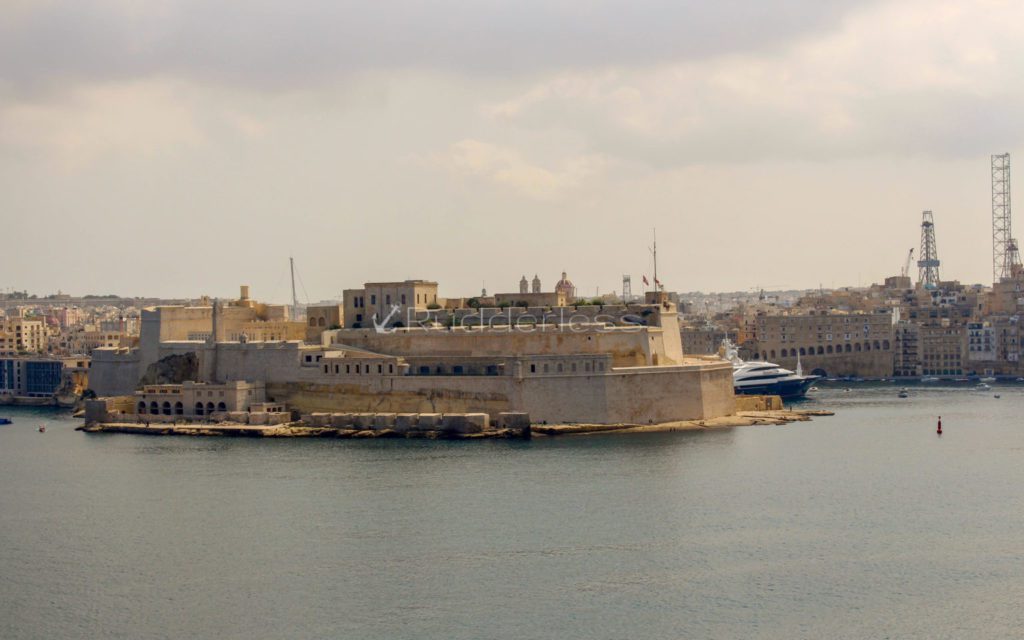
At the tip of Vittoriosa, Fort St Angelo, with its strategic position, holds great emotional significance for the Maltese people due to the role it played throughout Maltese history, particularly during the Great Siege of 1565. Today, you can learn about how it once operated through immersive displays and check out some of the examples of artillery that now sit on display.
Valletta Waterfront
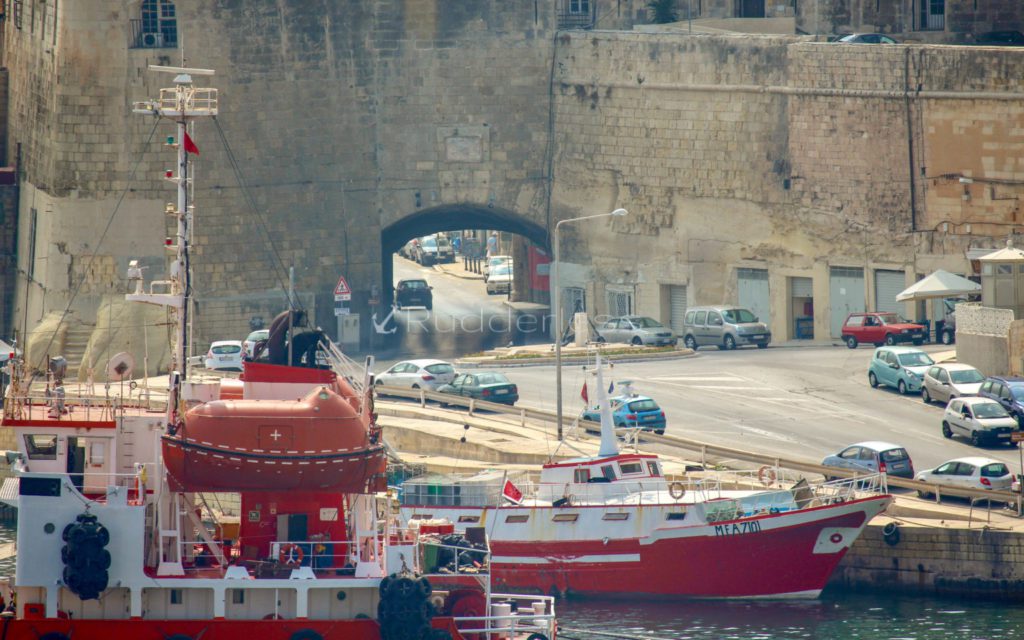
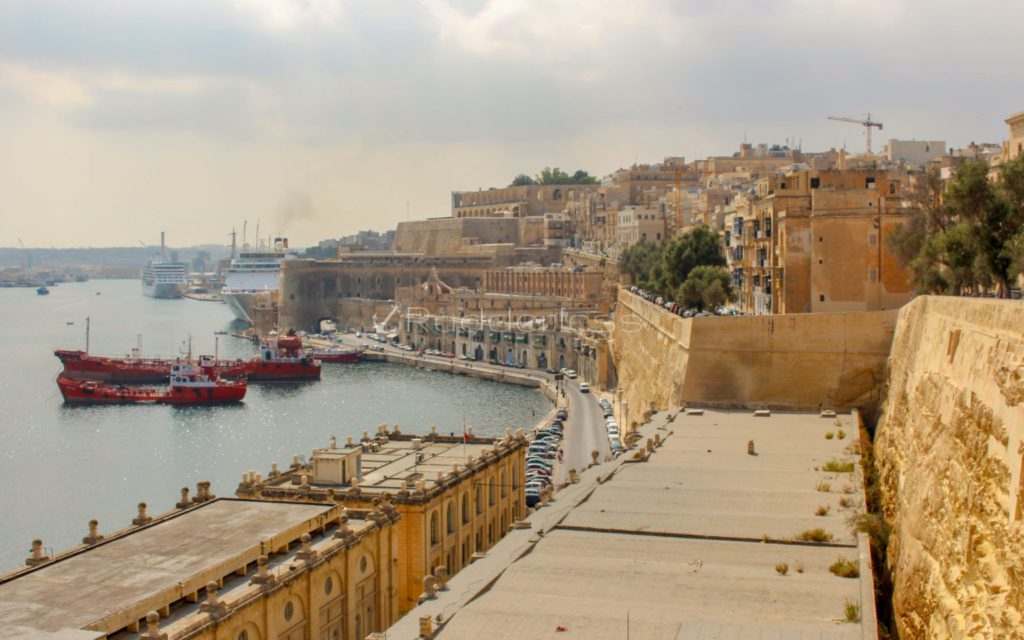
The Valletta Waterfront is a beautiful walkway in Floriana. Here, you’ll find the Pinto Stores/Pinto Wharf on the left, the Forni Stores/the Forni Shopping Complex on the right and a church in the middle. Back in the 18th century, the buildings were originally stores and warehouses designed by Andrea Belli. This is also the location of some of the best places to eat in Valletta, with a wide range of options to choose from.
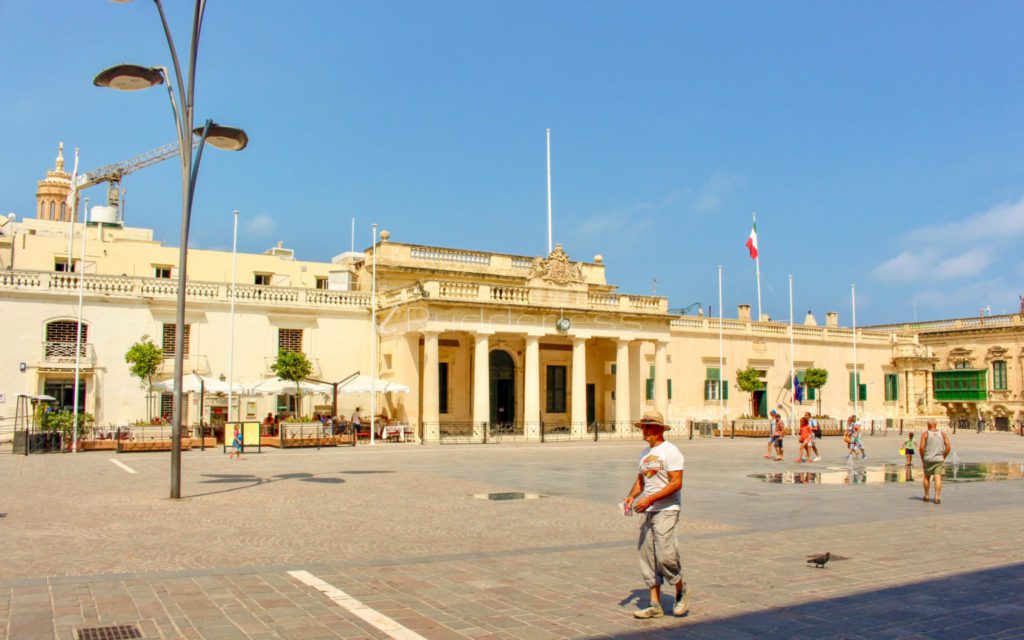
St George’s Square
St George’s Square or Palace Square was once a car park in the centre of the city that was transformed into an open space for the locals, families and tourists. Here, you’ll regularly find festivals and exhibitions, making it an active and fun place to explore. It’s also the location of the monthly Changing of the Guard ceremony.
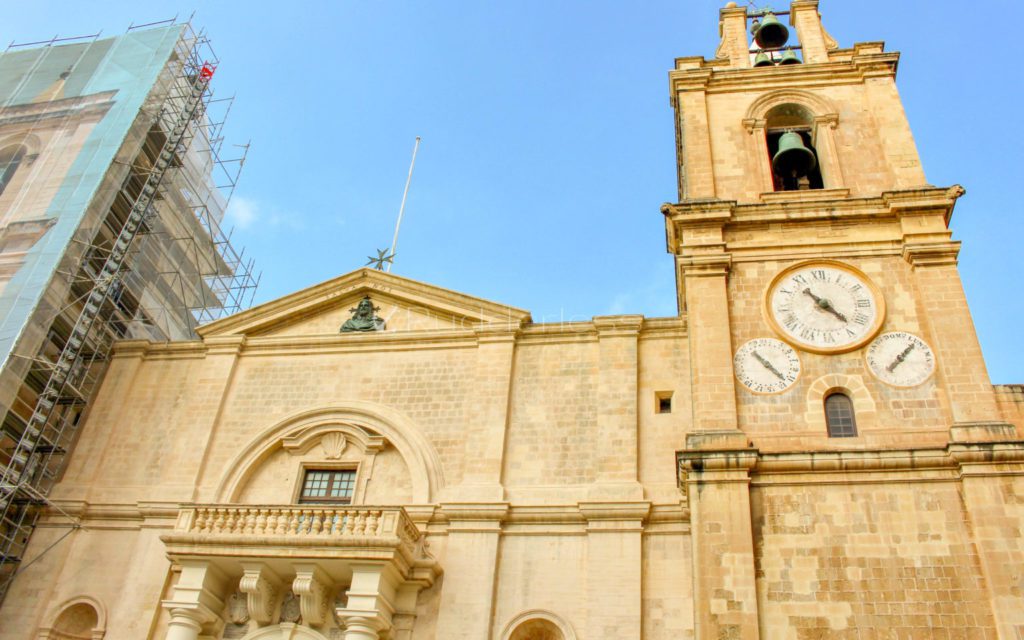
St. John’s Co-Cathedral
The most beautiful of the places I visited, St. John’s Co-Cathedral is a stunning example of high Baroque architecture, decorated with 16th and 17th-century art. It absolutely took my breath away.
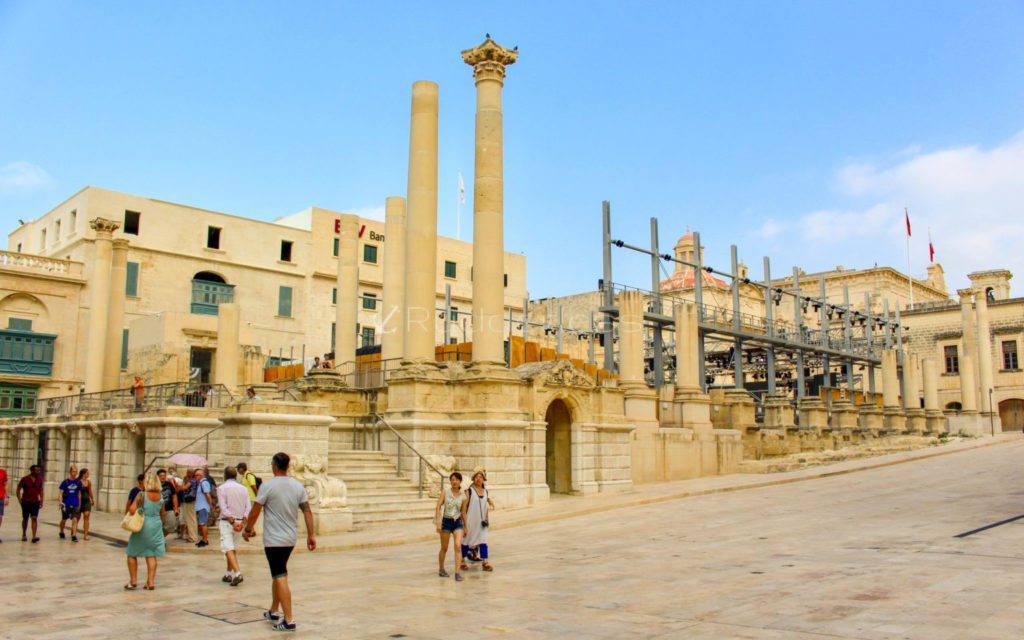
Pjazza Teatru Rjal
The Royal Opera House/Royal Theatre was an opera house and performing arts venue in Valletta. After a fire, it was restored in 1877, only to be hit directly by aerial bombing in 1942 during World War II. Plans were made many times to rebuild the site, but they were abandoned time and time again. However, it was finally brought back to life by Italian architect Renzo Piano.
In 2013, it began functioning as a performance venue, called Pjazza Teatru Rjal. You can check the website before your trip to see what performances may be available.
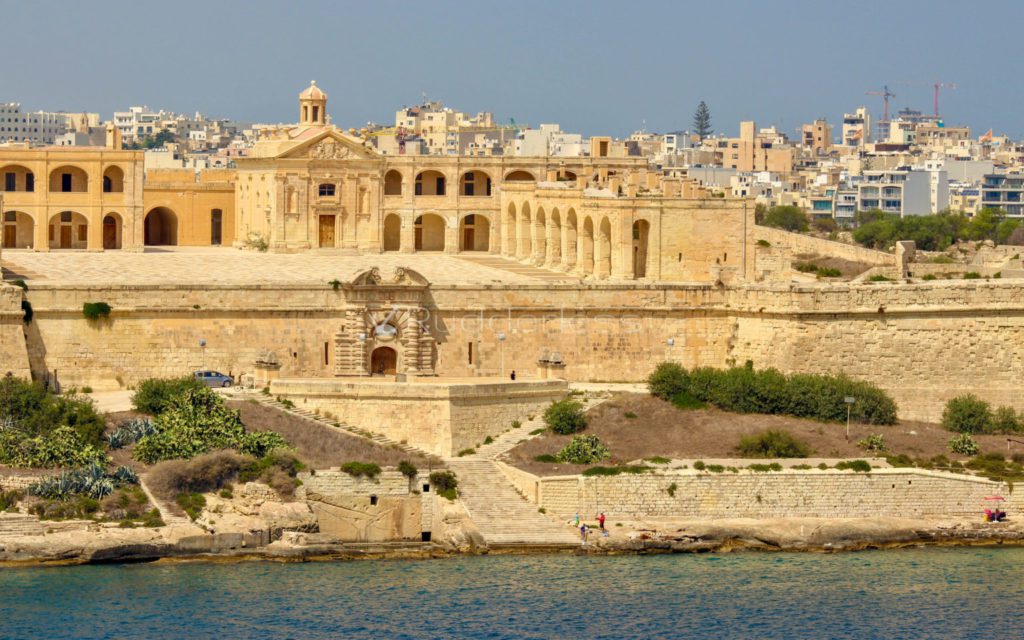
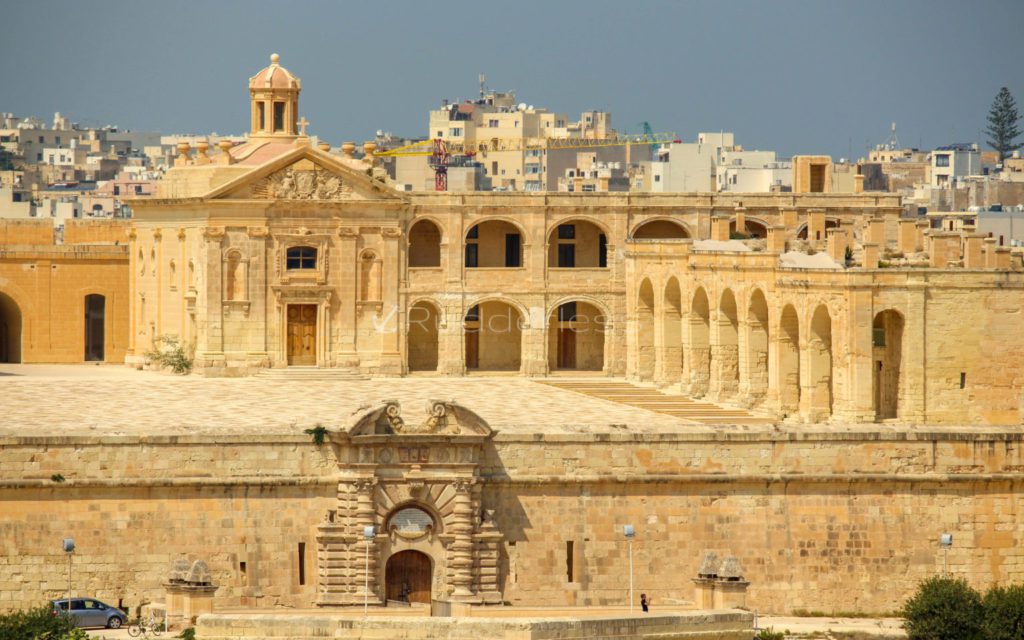
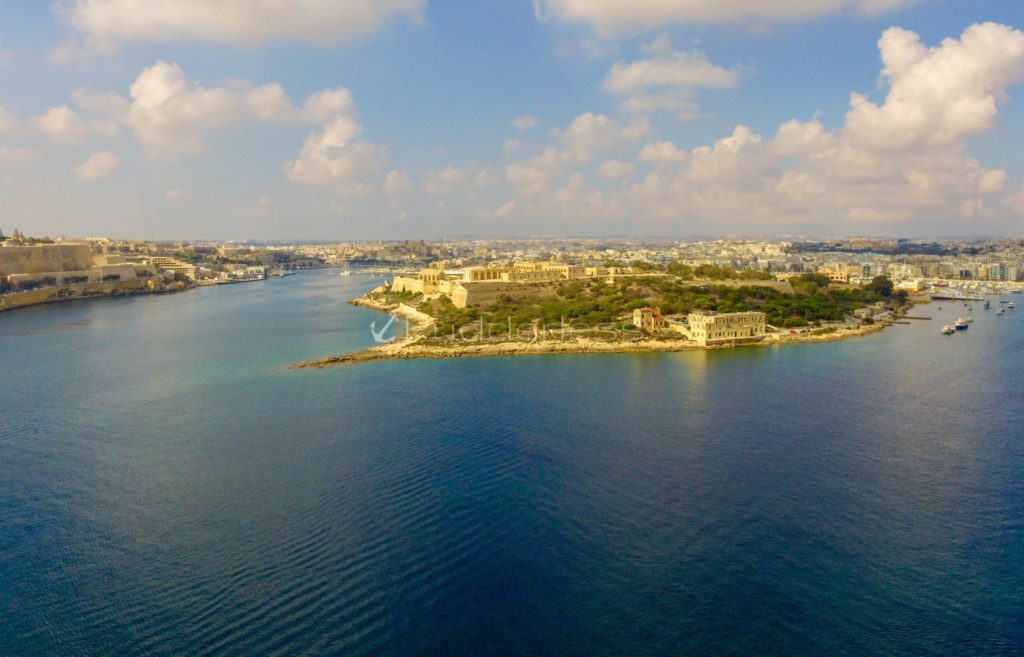
Fort Manoel
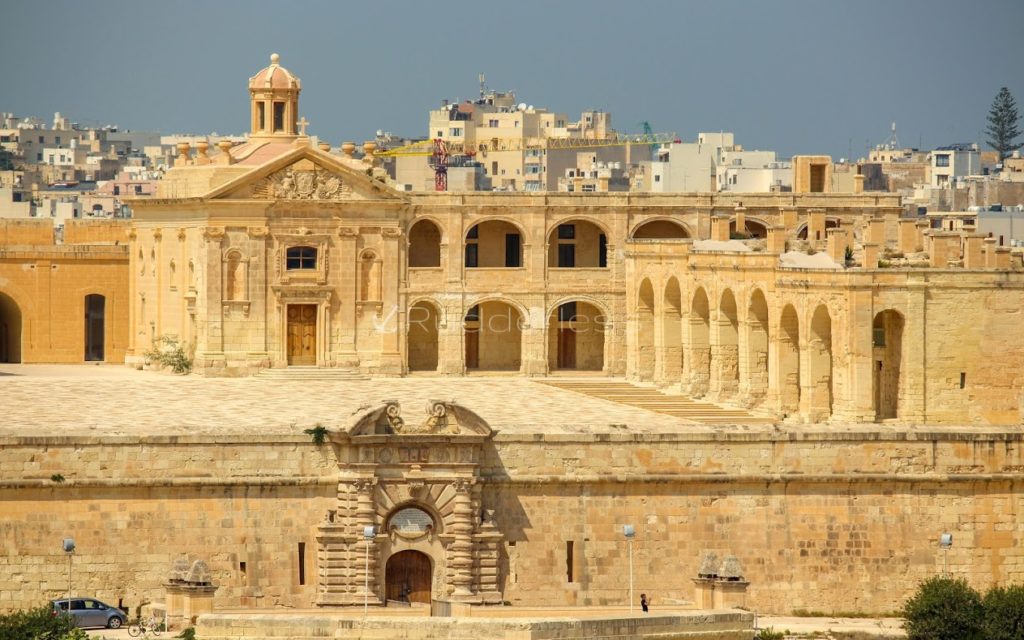
Located on Manoel Island in Gżira, this 18th-century fort is a great example of Baroque architecture. It was originally built by the Order of Saint John and named after Grand Master António Manoel de Vilhena. The British military took over the fort in 1800 – 1964. It was severely damaged in World War II, but later restored to its former glory.
DAY 2 OF EXPLORING VALLETTA, MALTA
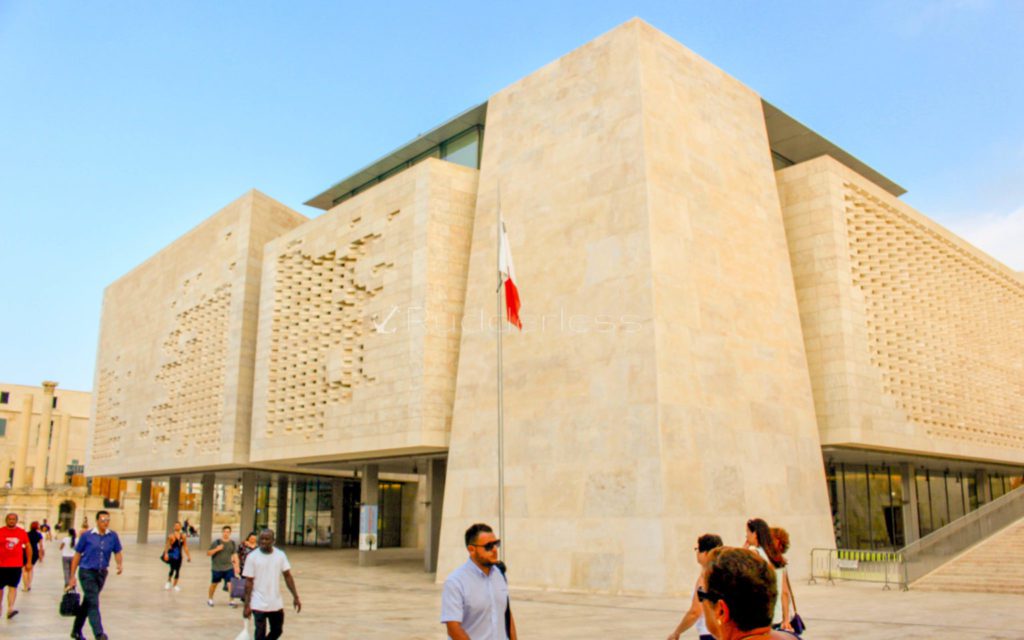
New Parliament Building
I’ve seen a lot of incredible architecture during my travels, but for some reason, I find this building’s design incredible! It features two large pieces of stone that look suspended in the air, but are supported by stilts. Designed by Renzo Piano in 2014, the rooftop has 600 sq metres of photovoltaic panels, which generate most of the energy needed to heat the building in winter and keep it cool in summer.
First, I can’t even believe Malta has a winter… During my visit, it was well into September but felt like the beginning of July.
Second, WTF is photovoltaic?
Photovoltaics are best known as a method for generating electric power by using solar cells to convert energy from the sun into a flow of electrons by the photovoltaic effect. Solar cells produce direct current electricity from sunlight which can be used to power equipment or to recharge a battery.
Yeah, I had to look it up.
Valletta City Gate
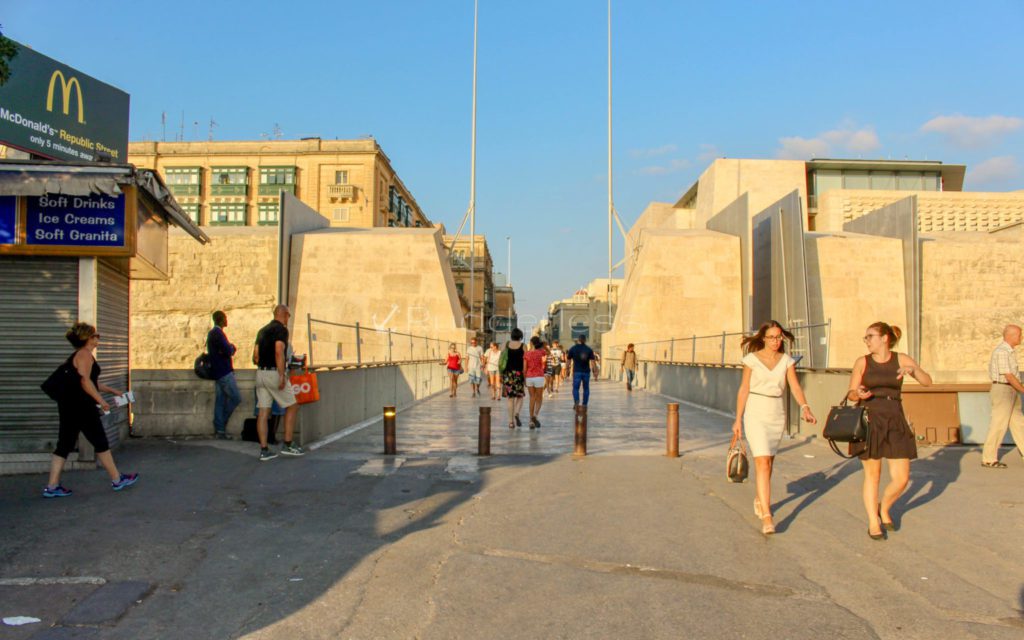
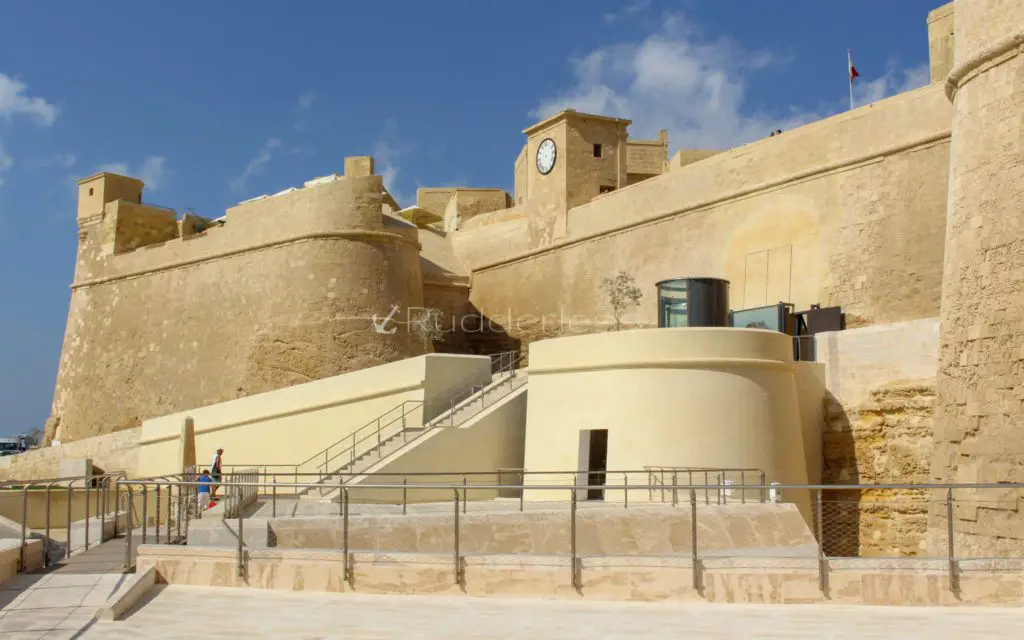
Over the past few years, the entrance to Valletta and its surrounding environment has been given a new city gate, a Parliament building, a piazza and a new performing space. Technically, this will be Valletta’s fifth city gate in about 450 years. The original gate, once known as Porta San Giorgio, was completed in 1569.
Tritons’ Fountain
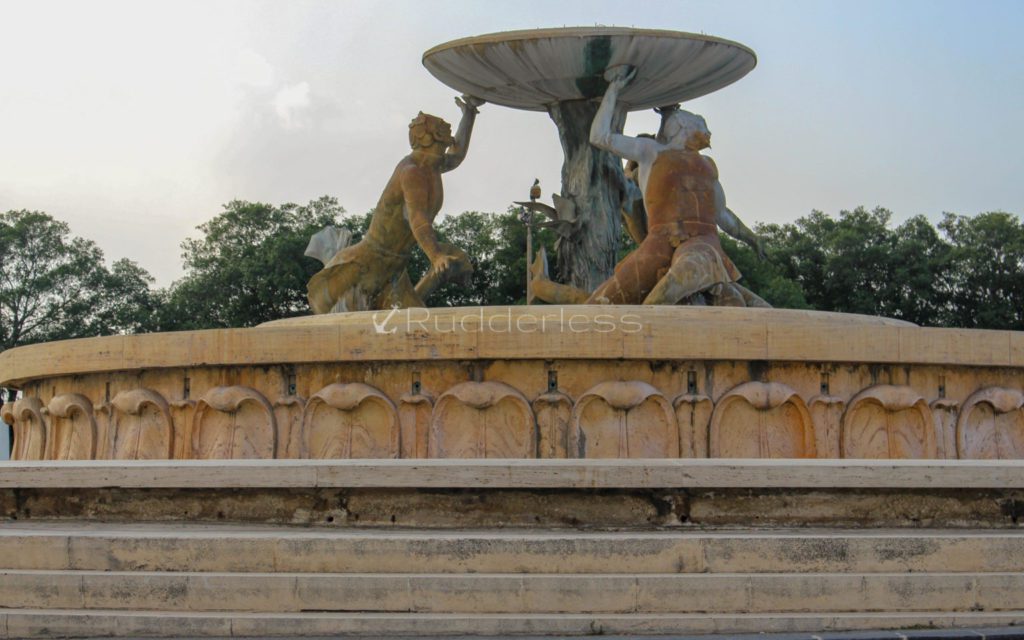
The Tritons’ Fountain is located just outside the City Gates. It incorporates three bronze Tritons, holding up a large basin over their heads. This is one of Malta’s most important modernist landmarks and is a popular photo op.
War Memorial
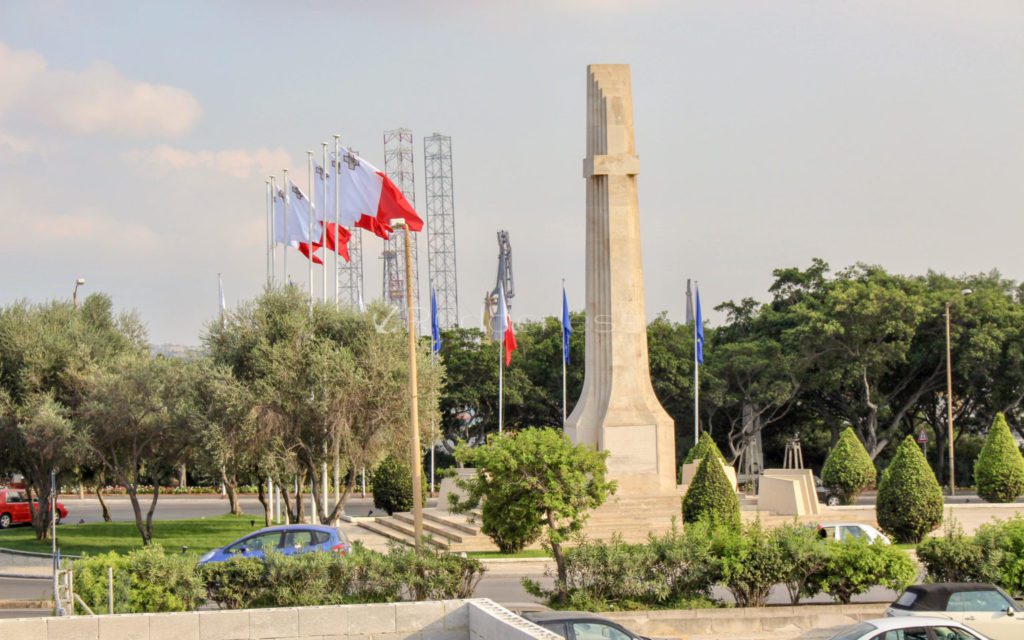
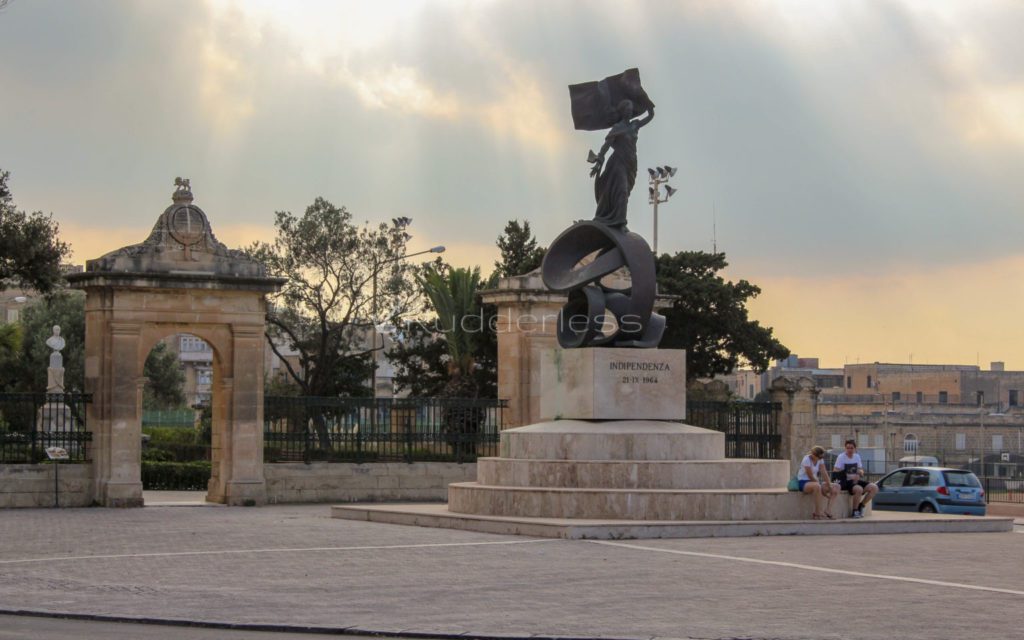
The War Memorial is an obelisk in Floriana that commemorates the dead of World War I and World War II. It was unveiled on November 11, 1938, by Governor Charles Bonham-Carter, and then rededicated to those killed in World War II as well in 1949. Designed by Louis Naudi, the monument is an obelisk in the form of a Latin cross, built from local globigerina limestone with an eternal flame.
St Publius
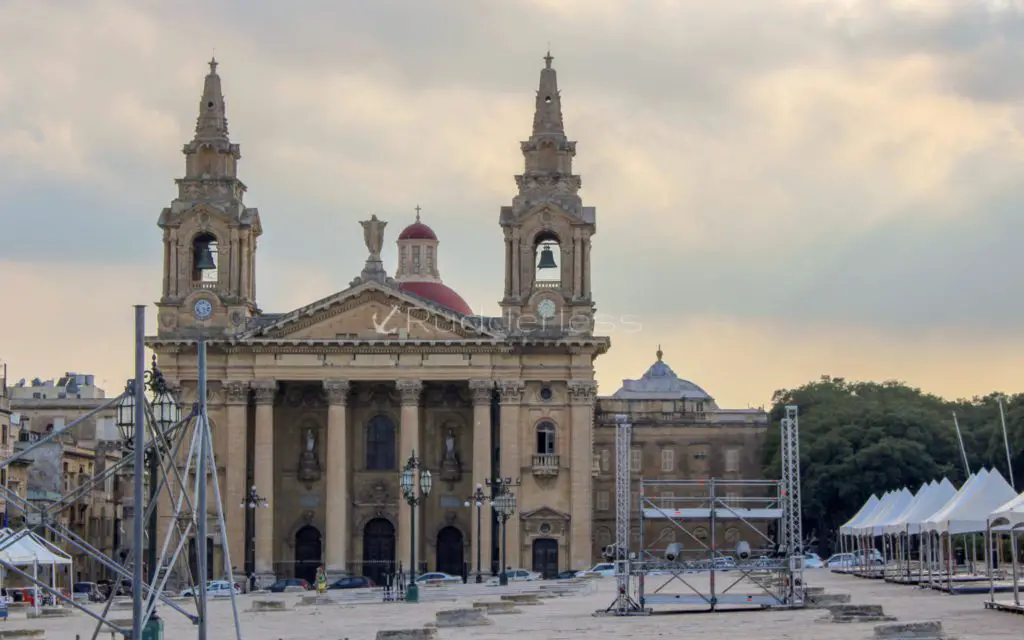
St Publius/Floriana Parish Church is a Roman Catholic parish church in Floriana, dedicated to Saint Publius (its namesake). It was constructed between the 18th and 20th centuries, with the first stone being laid on August 2, 1733. Saint Publius is celebrated as Malta’s first Bishop, its first acknowledged saint and the prince of the island.
THE CHARMING TOWN OF RABAT, MALTA
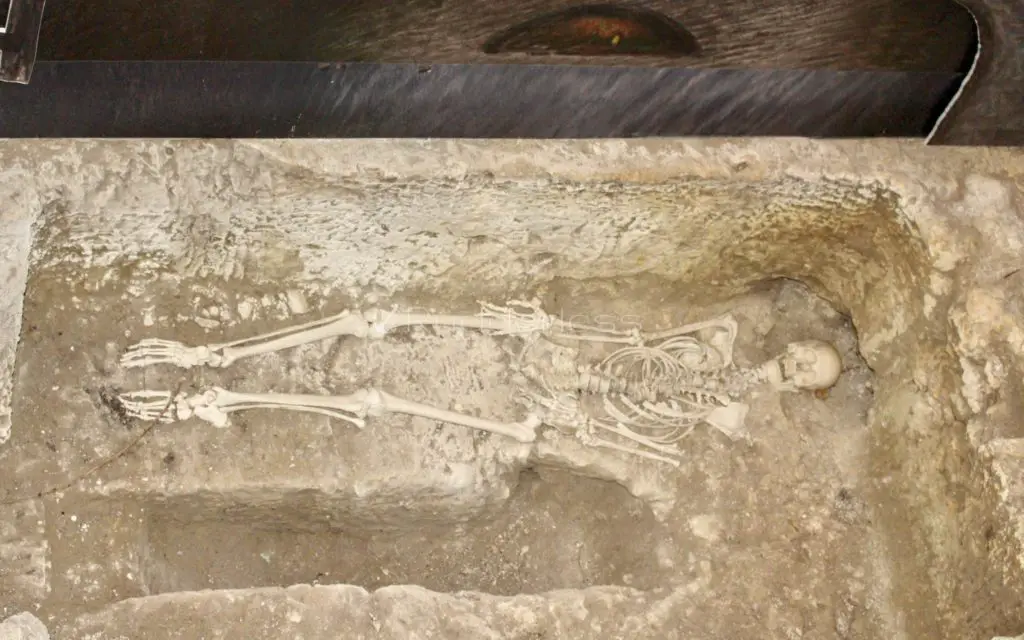
Rabat is probably best known for its famous Catacombs of St. Paul and St. Agatha. These catacombs were used by the Romans to bury their dead, as it was considered unhygienic to do so in the city. I have to say, I’m glad someone thought that through. Rabat was built on top of an ancient Roman city, so the Catacombs were never meant to be hiding places during persecutions or to be used as living quarters.
In the Catacombs of St Agatha’s:
- there are over 500 graves of several types
- most of them are children.
- divided into sections for Pagans, Jews and Christians.
- contain some unique Frescos
St Paul’s
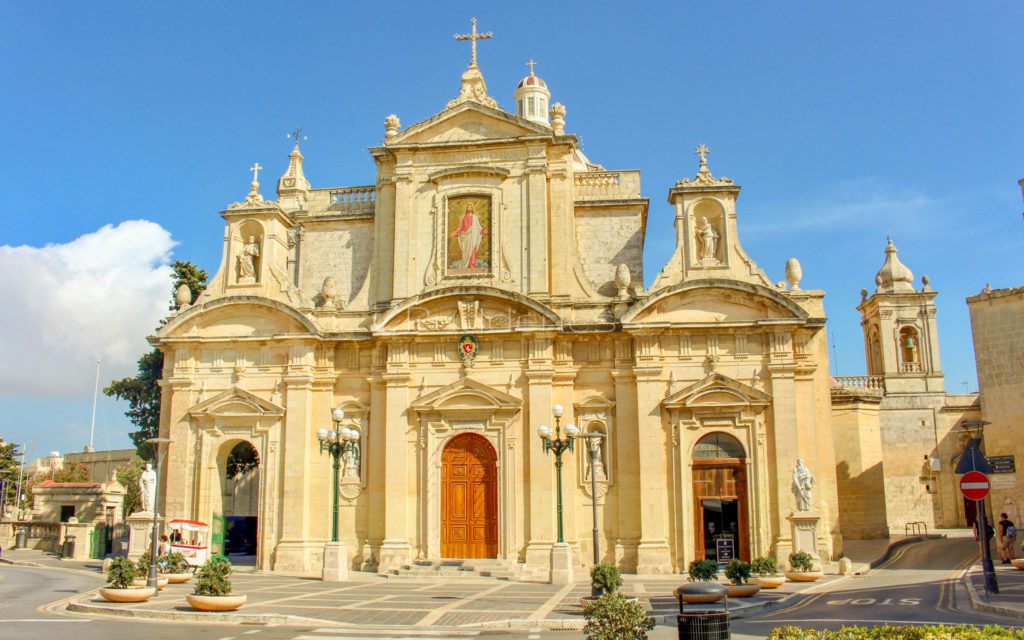
The Collegiate Church of St Paul is a beautiful Roman Catholic Church that dates back to the 17th century. It stands above a grotto where St. Paul is said to have taken refuge after his shipwreck on Malta. The statue of St Paul was donated by Grand Master Pinto in 1748, and in May 1990, the late Pope John Paul prayed in the grotto during his visit.
**St. Paul’s Grotto is not the same as the similarly-named St. Paul’s Catacombs**
St Paul’s Catacombs
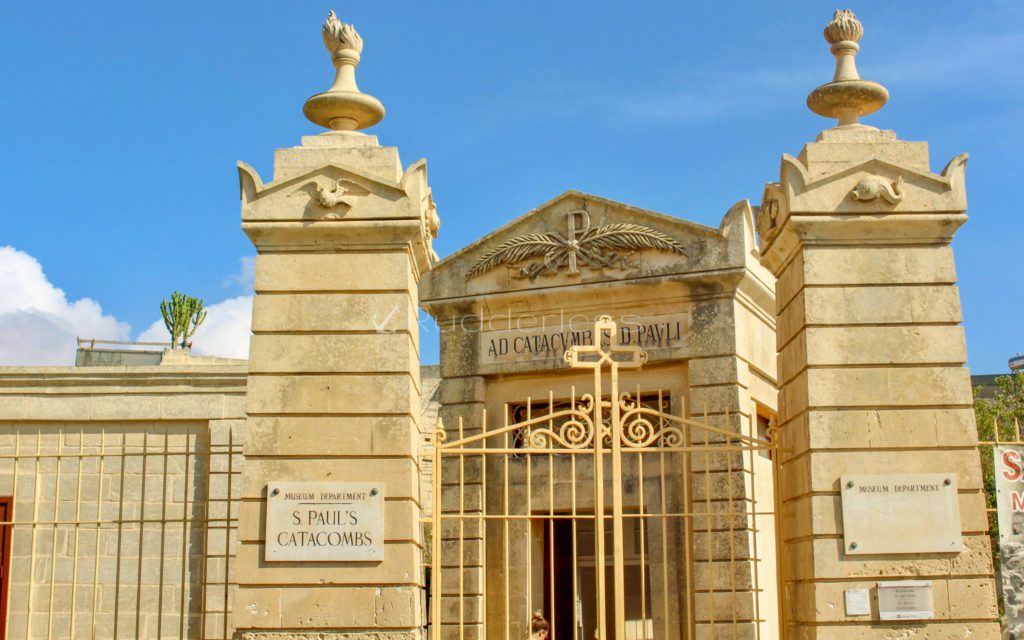
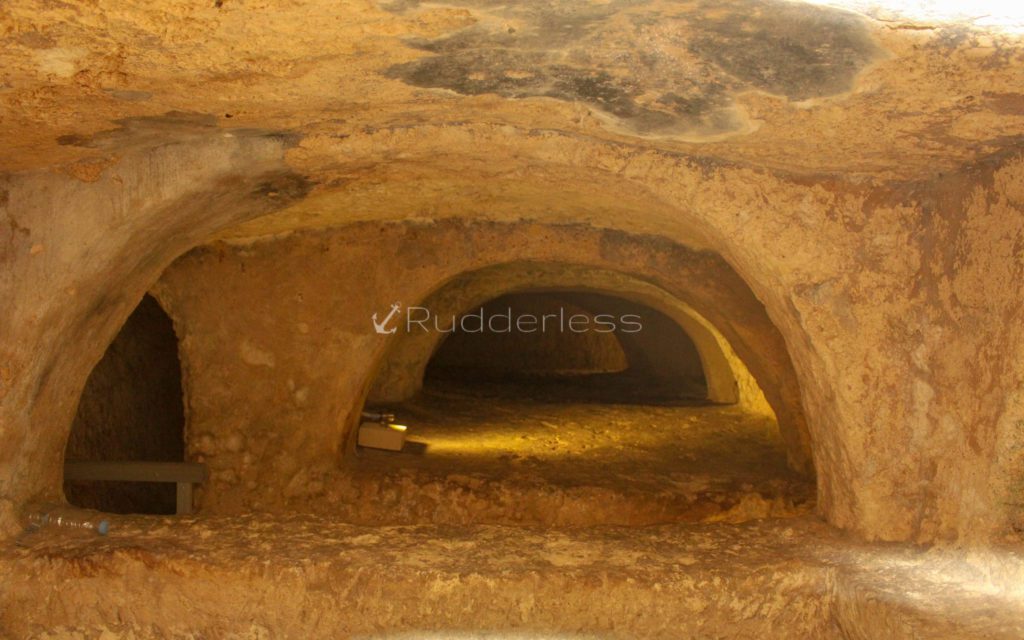
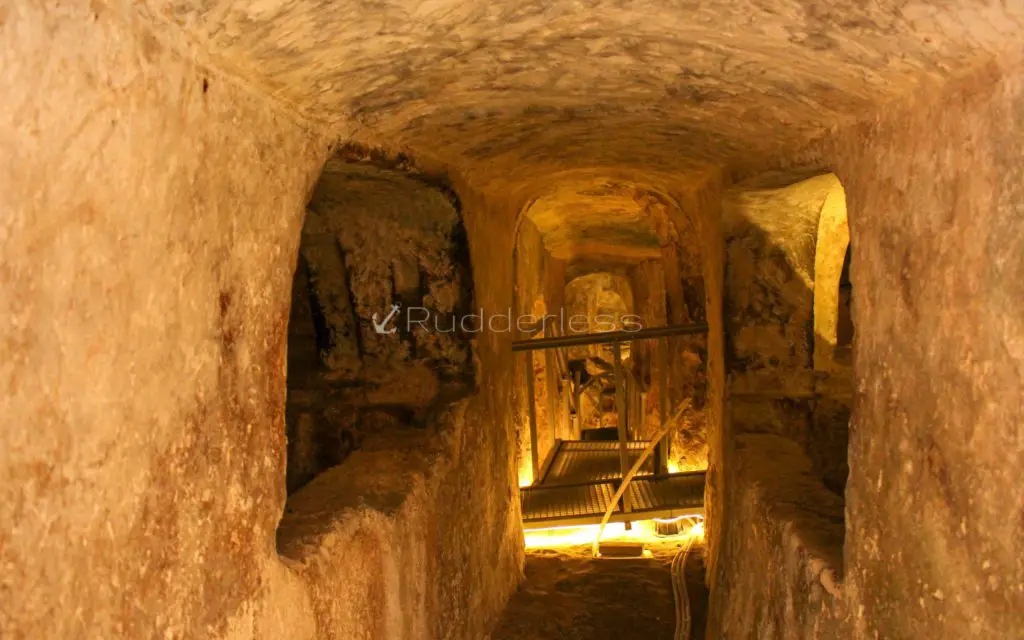
If you want a peek into Malta’s past, St Paul’s Catacombs are some of the most prominent examples of Malta’s paleochristian archeology.
Trying to say paleochristian three times fast.
During the clearing of the site, a massive network of underground tunnels and tombs, dating back to the fourth to the ninth centuries AD, was discovered.
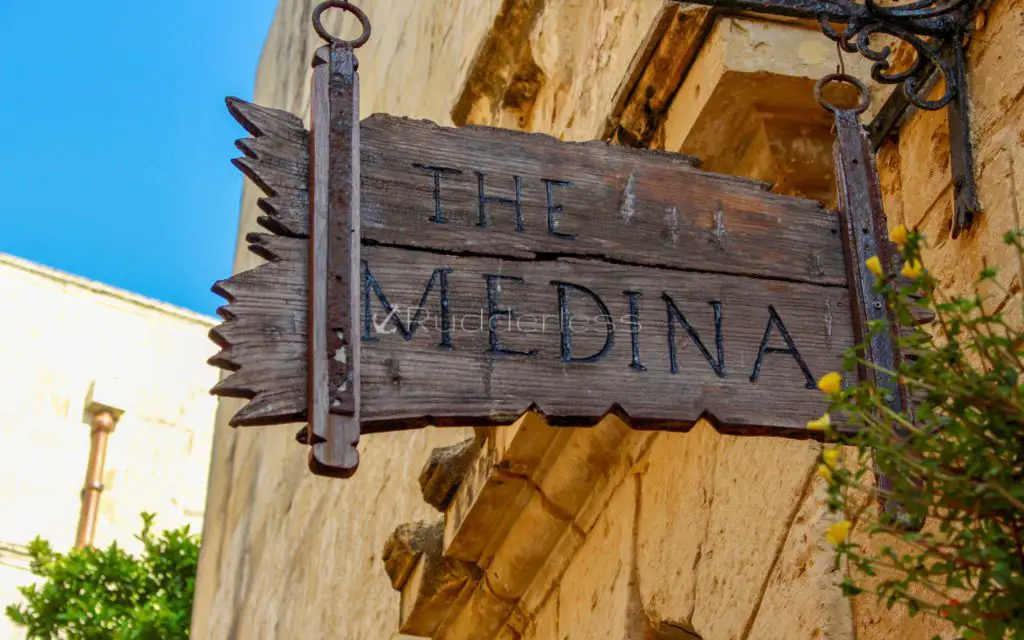
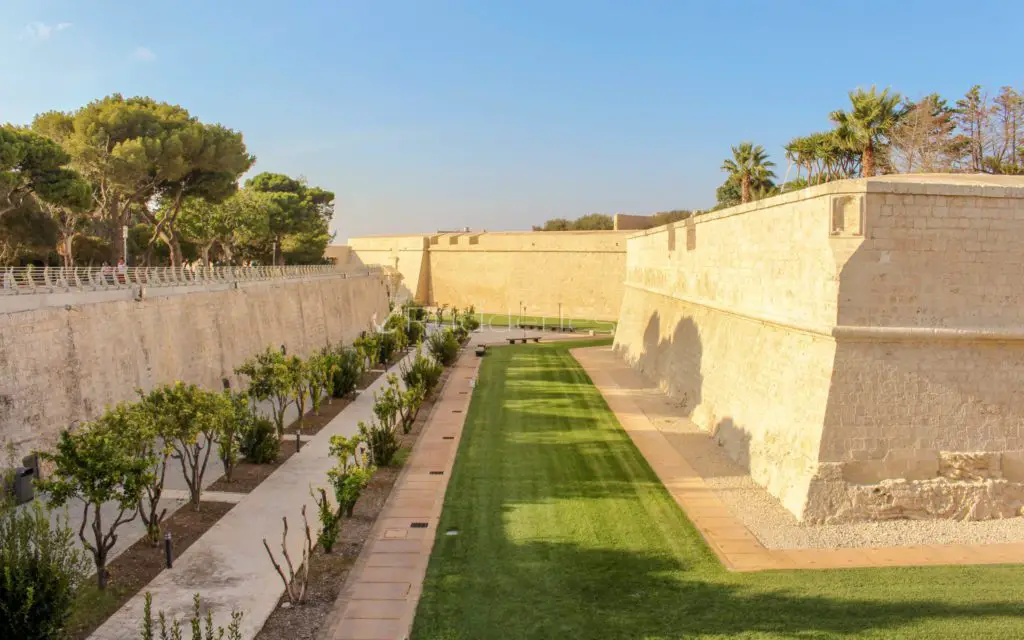
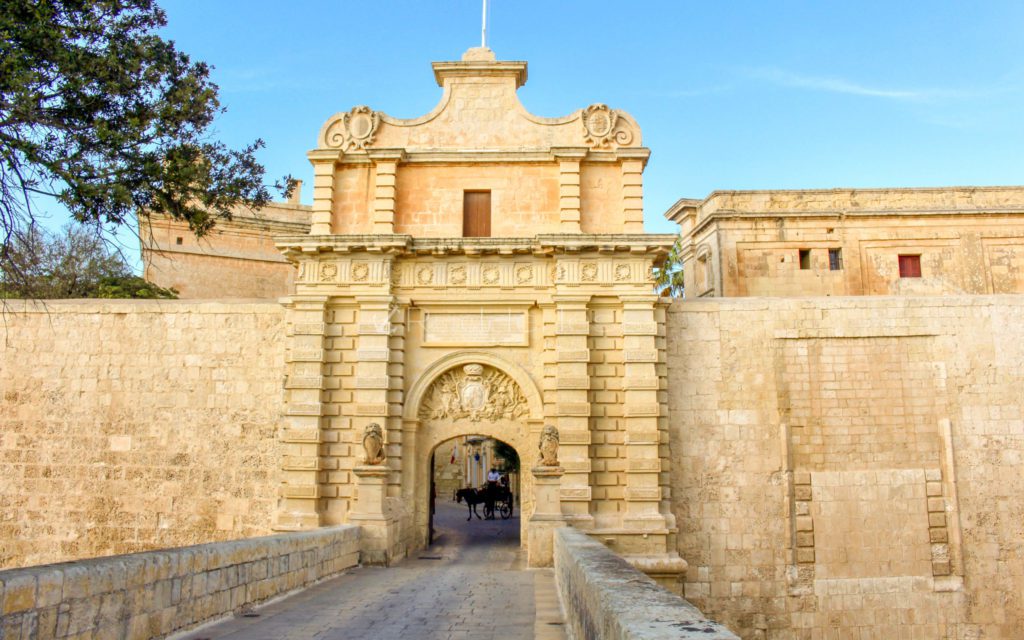
MDINA: THE SILENT CITY
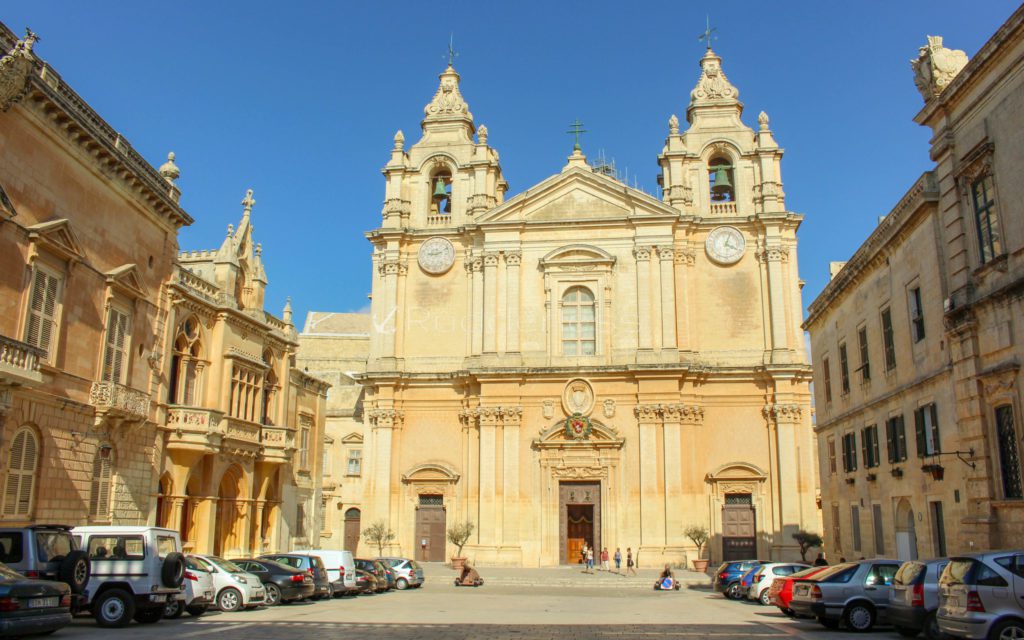
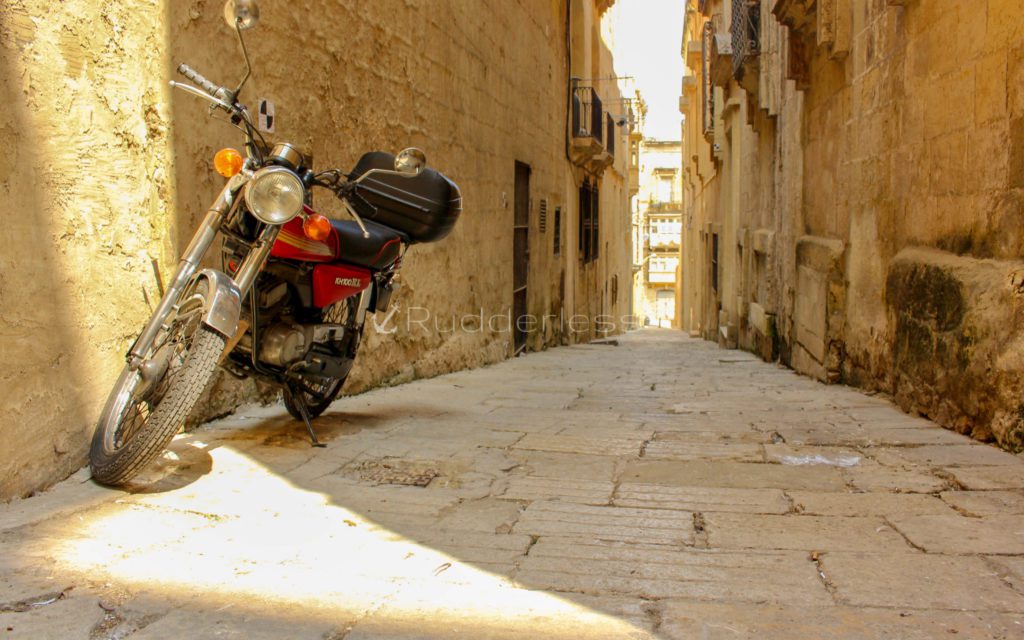
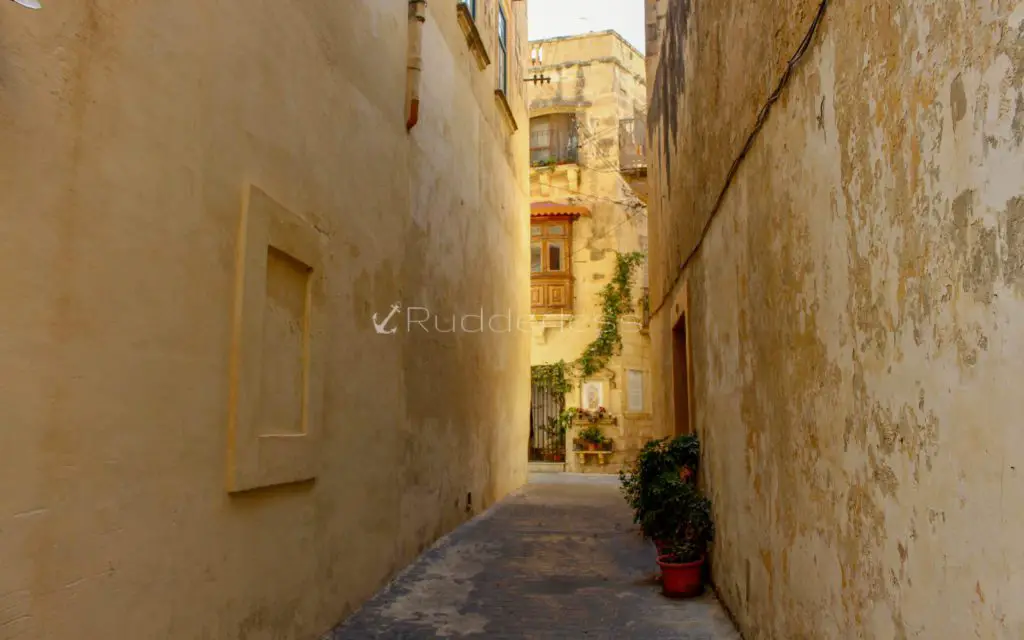
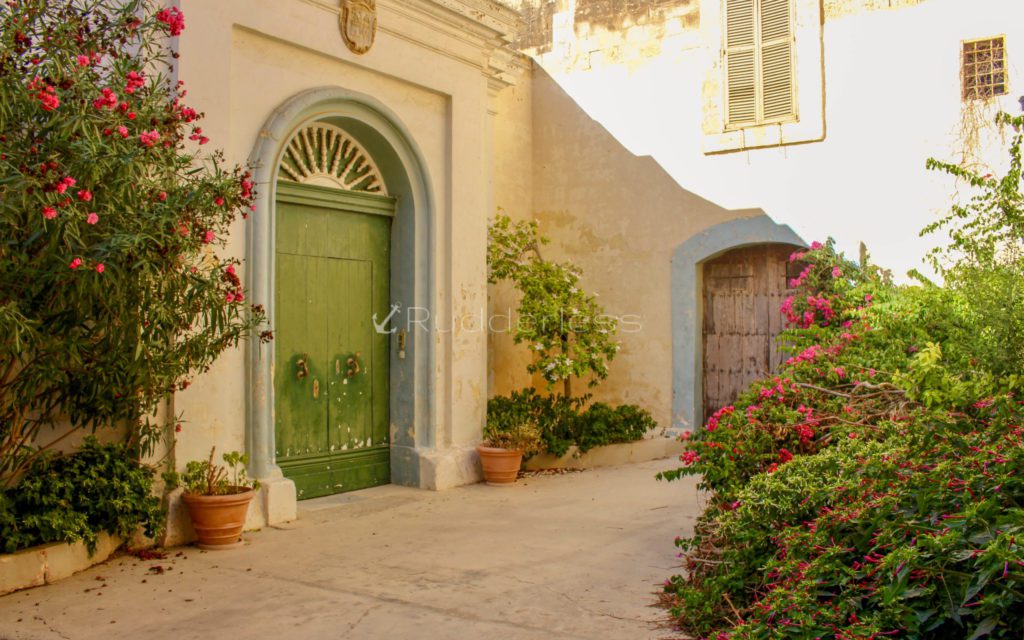
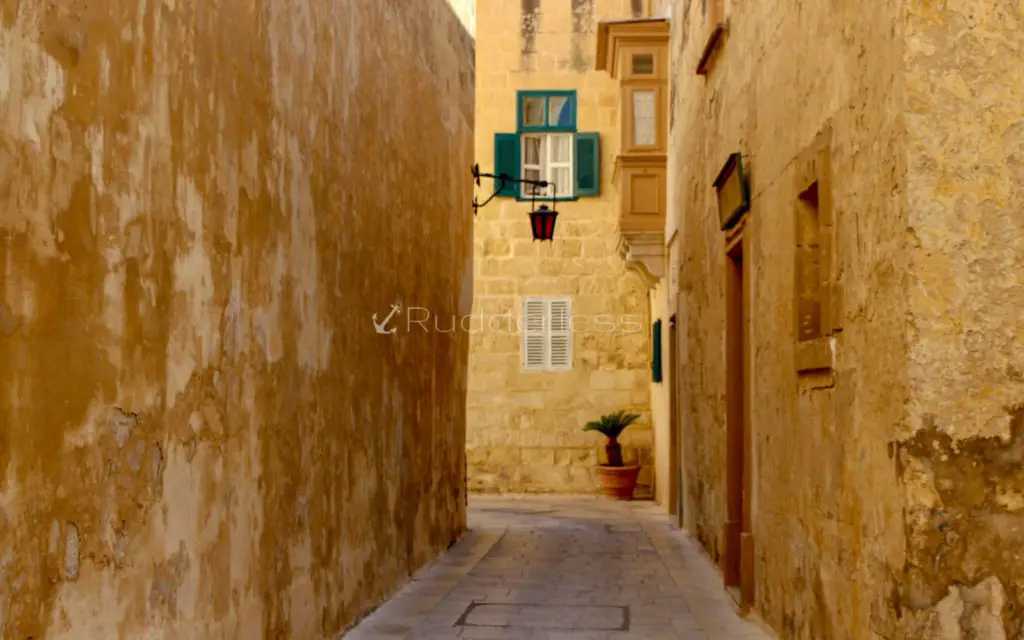
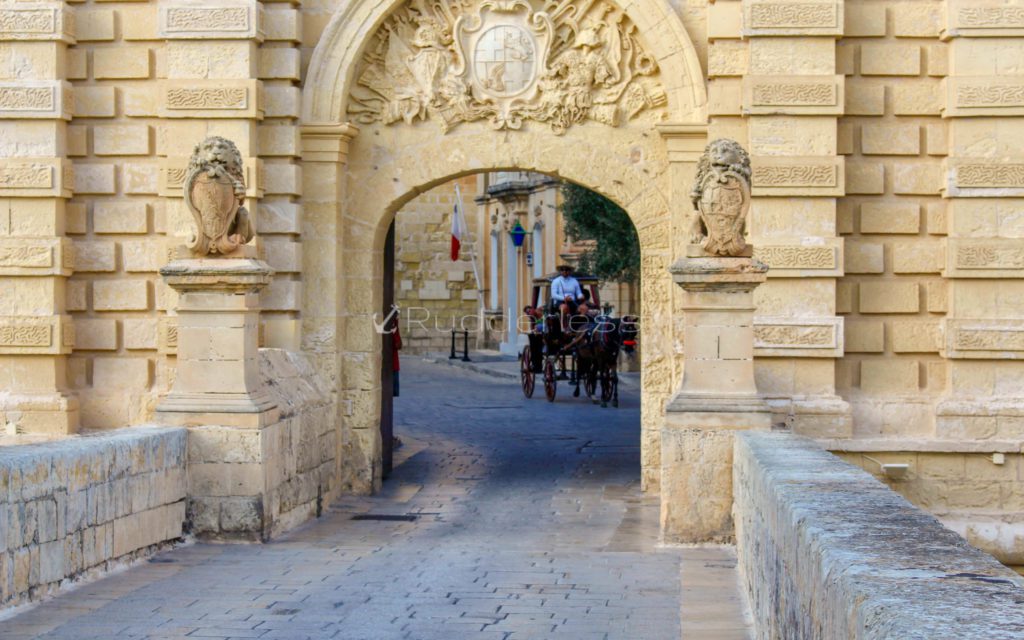
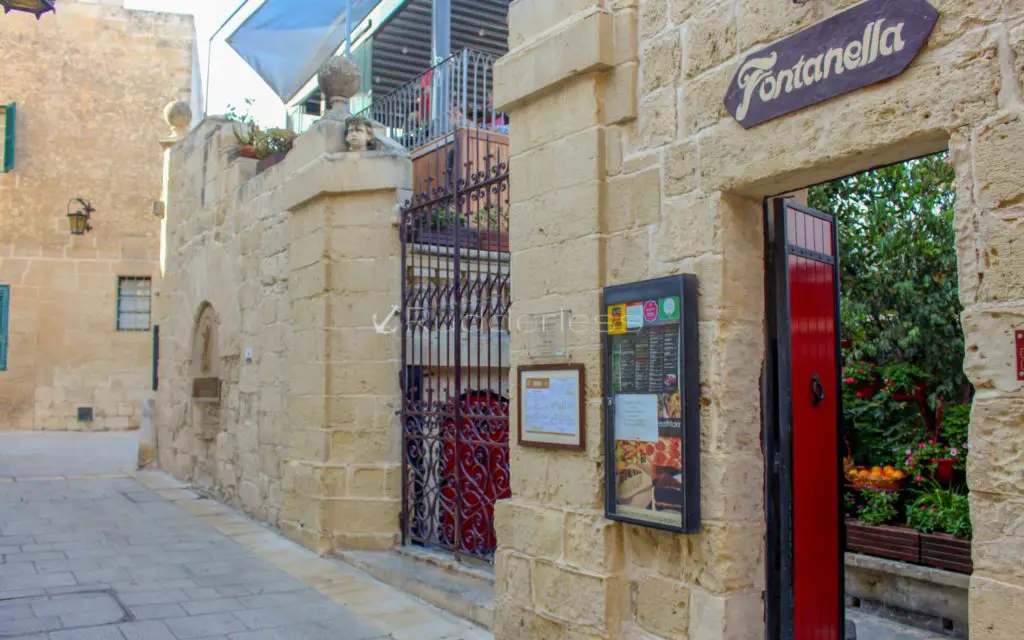
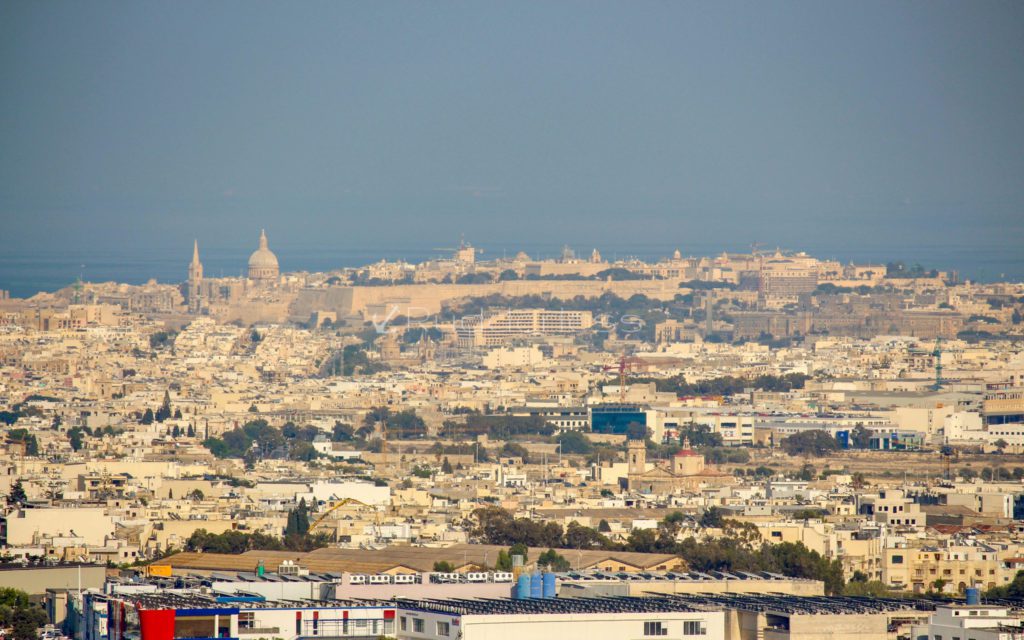
Mdina was the first capital of Malta, and, in my opinion, it’s the most beautiful location. It is also the number one choice to visit if you want to feel like you are in Game of Thrones, considering it was once used as the show’s King’s Landing. Its medieval walls, plazas, sandy stone buildings, and horse-pulled carriages are sure to awaken memories from your favourite episodes.
SAN ANTON PALACE
Since we are on the topic of Game of Thrones, one of the prettiest places to visit in Malta is yet another Game of Thrones film location.
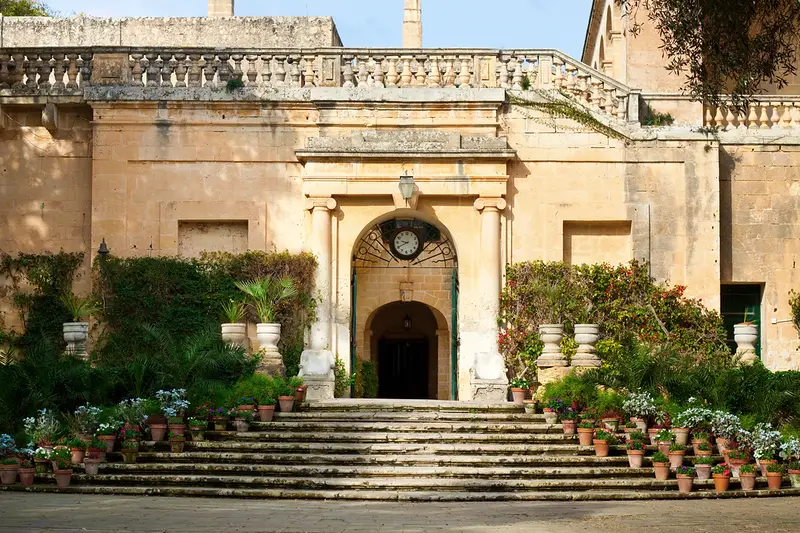
Located a few kilometres East of Mdina is San Antonio Palace. This spectacular location, the poshest area of the Island, is the official president’s palace. Its peaceful gardens, exotic animals and beautiful fountains were used for the courtyard and stable scenes on GoT.
ADDITIONAL MUST-SEE PLACES IN MALTA
COMINO
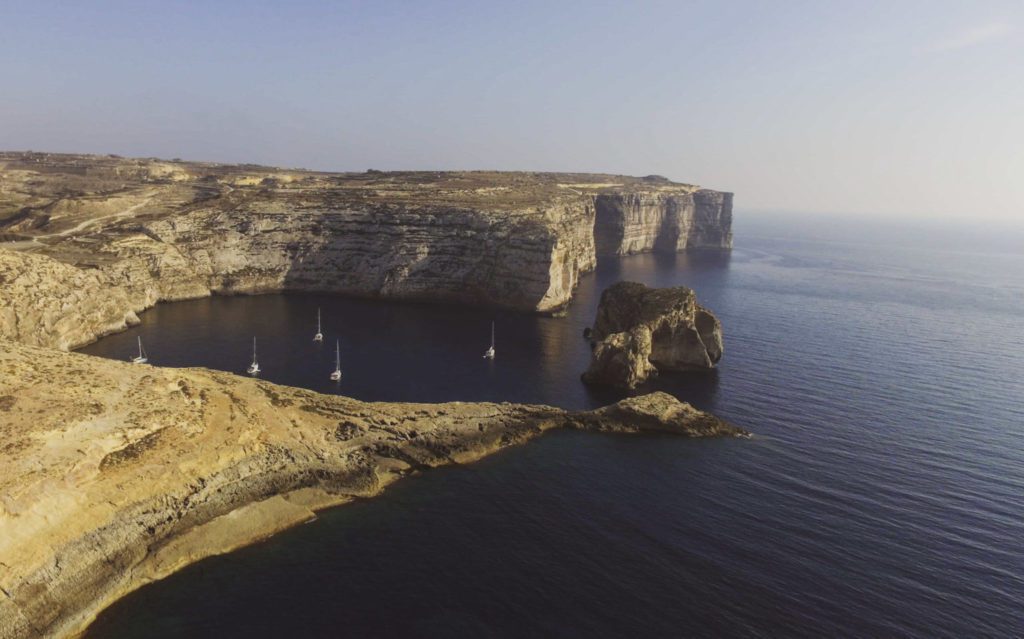
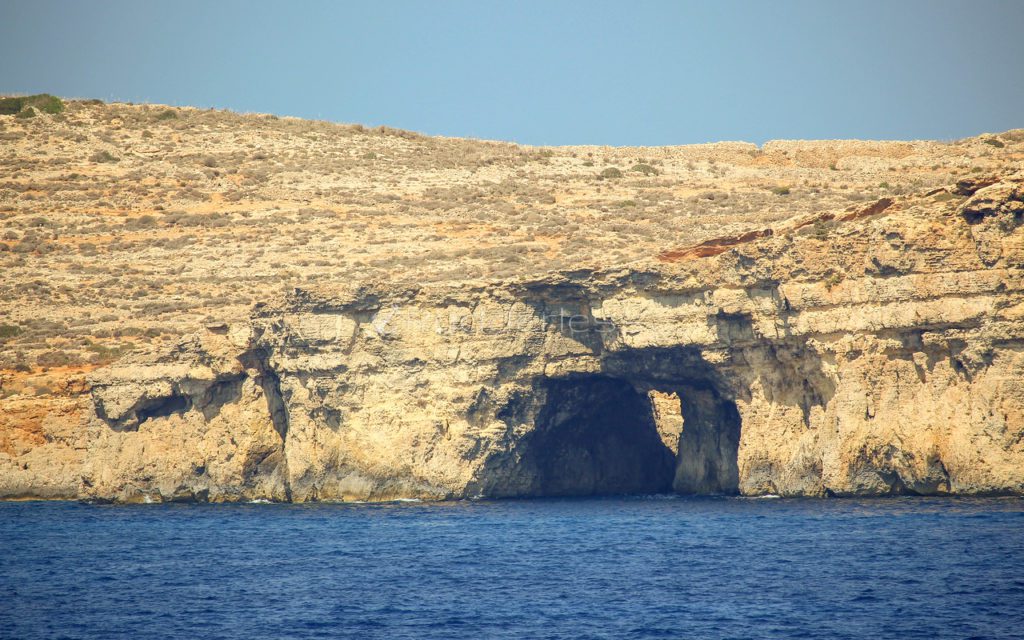
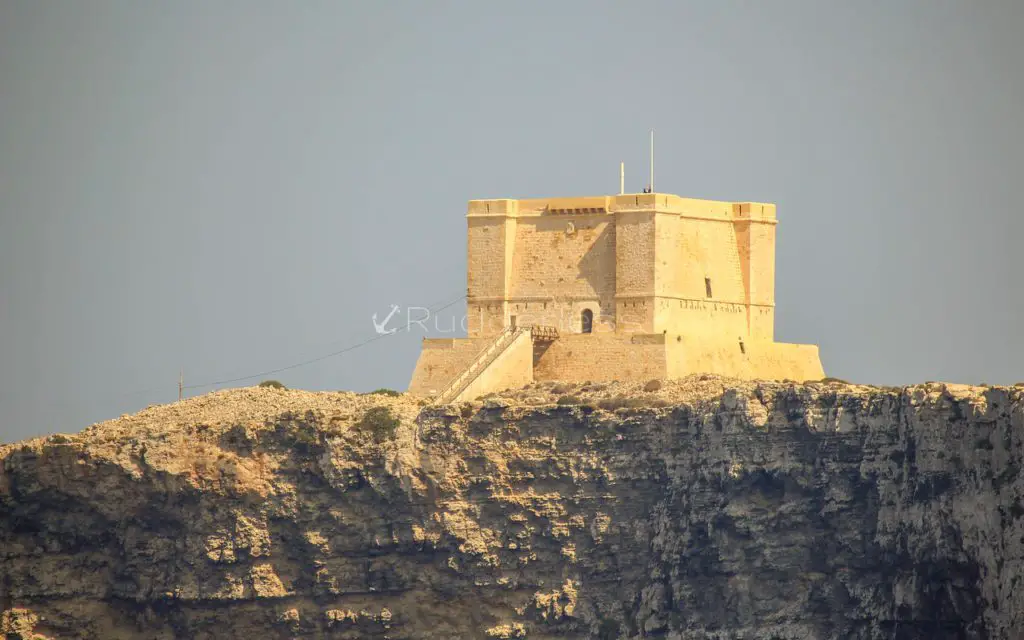
Between Malta’s main island and the island of Gozo is the smaller island of Comino. It is, for the most part, uninhabited with the exception of one hotel. Whether you’re an adventure seeker, a dedicated hiker, or just someone who loves the great outdoors, this stunning natural location is the perfect escape. It is also a paradise for snorkelers, divers and windsurfers.
Find out how to choose the best Snorkelling gear HERE.
THE CITADEL & CATHEDRAL OF THE ASSUMPTION
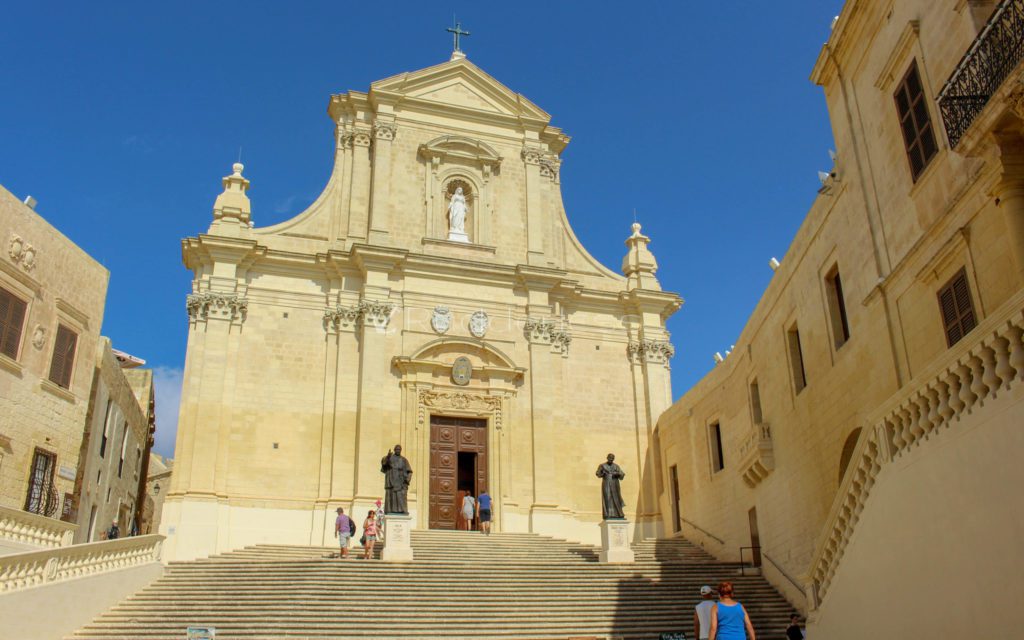
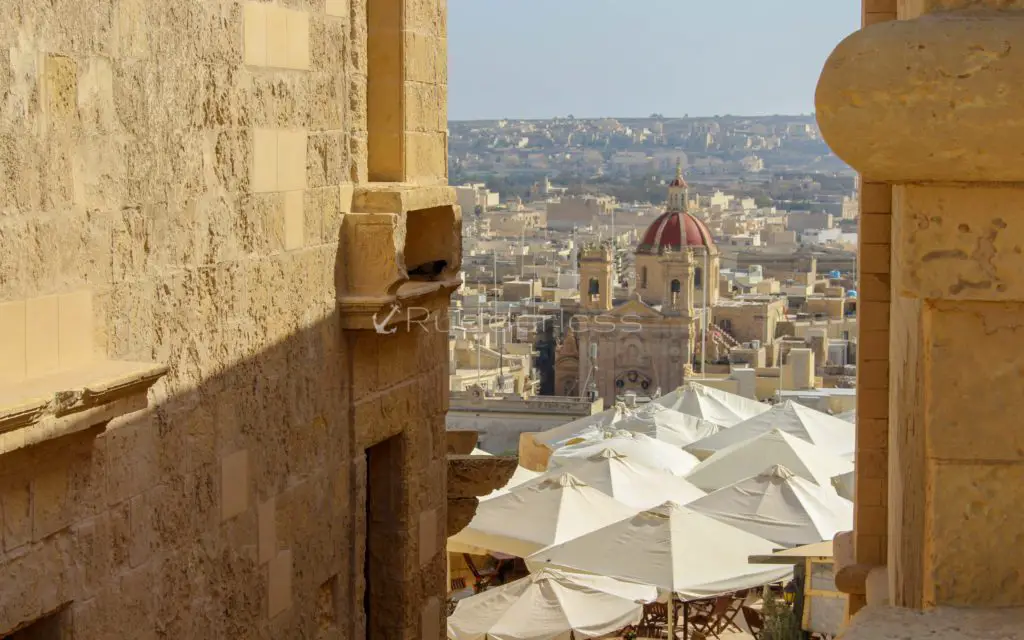
The Citadel/Cittadella is built in the centre of and overlooking the city of Victoria. Naturally, the location was chosen for its defensible hill above the countryside with views of the coastline.
Located right within the Citadel, the Cathedral of the Assumption is the main Roman Catholic church for the Diocese of Gozo. It’s dedicated to the Assumption of Mary and stands as a beautiful example of classic Baroque design.
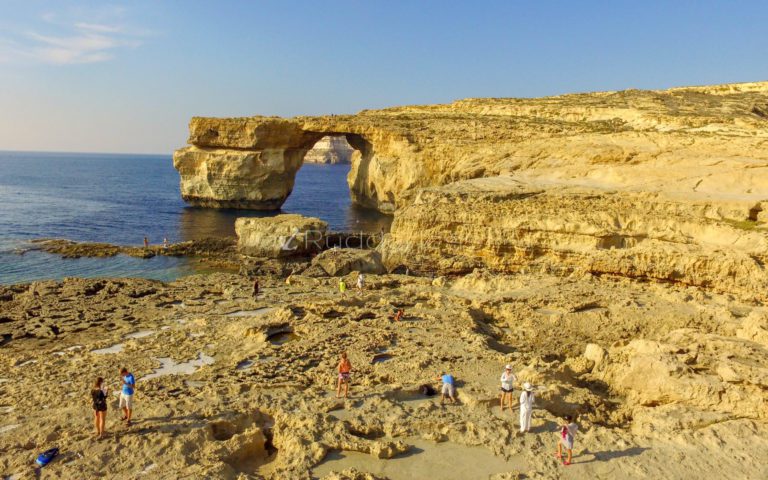
AZURE WINDOW
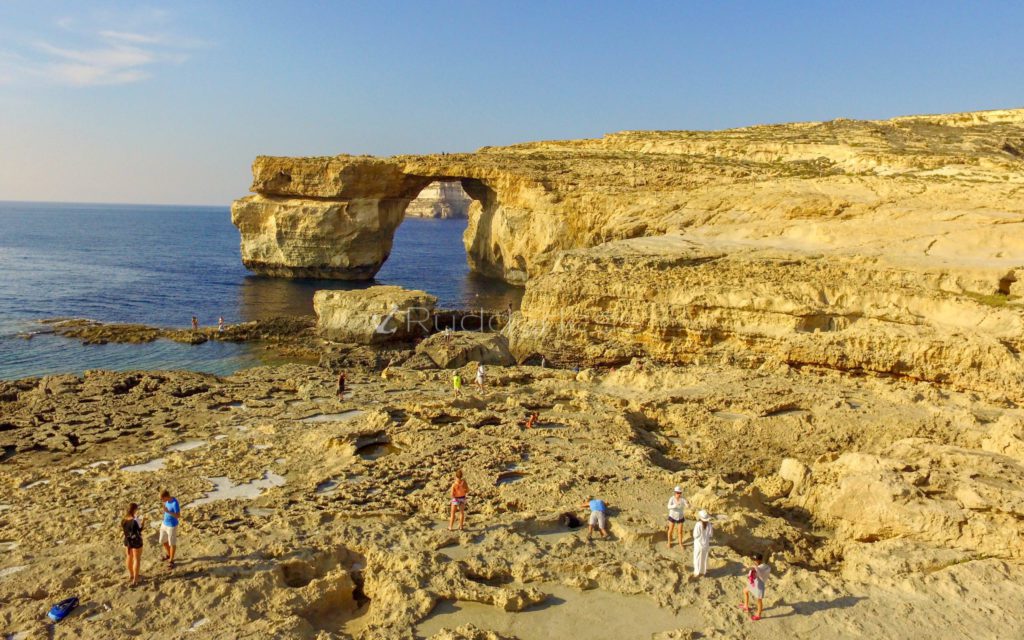
On day three, I opted to visit one of Malta’s other Islands, Gozo, simply to see the Azure Window. One of the GoT’s famous marriage scenes takes place before it, which I talk about more here: The Ultimate Game Of Thrones Malta Locations.
I almost decided not to see it because it was getting late and I still needed to catch a ferry and a taxi back to Valletta.
At the last second, I changed my mind and headed out to see the Azure Window. Good thing I did!
About six months later, the Azure Window collapsed and was lost to the sea. I ended up with amazing memories and drone videos/photos that are absolutely priceless!
Between Comino, Gozo and the main island, Malta is one of the best islands in Europe
Start Planning Your Trip to Malta Today
I wasn’t really sure what to expect here in Malta, as it was never really a destination I heard people talking about. But it didn’t take long to realize there are so many things to do in Valletta and across the island.
I can’t even begin to express how beautiful this place is in words. The weather was absolutely beautiful, and the island is like a giant sandbox filled with incredible forts, churches, and architecturally impressive structures that have stood the test of time.
I have made a promise to my Airbnb host that I will return one day with Gordana
I can’t wait to deliver on that promise!
FAQs
What’s the Best Time of Year to Visit Valletta, Malta?
The absolute sweet spot for visiting Malta is during the shoulder seasons, specifically from April to June or September to October. During these months, you’ll get beautiful, sunny weather that is perfect for exploring without the intense heat of July and August. Plus, visiting during these times means you’ll miss the peak summer crowds, making it much easier to stroll through the historic streets and secure tables at the best local spots.
Can You Walk Everywhere in Valletta?
Valletta is incredibly pedestrian-friendly, so the short answer is yes, you can walk everywhere! The entire city is a compact peninsula, meaning you can easily cross from one side to the other in about twenty minutes. However, there is an additional factor to consider when asking yourself: how walkable is Valletta?The terrain! The city is built on a grid of steep hills and features a lot of limestone stairs. While you won’t need a car or public transit inside the city walls, a comfy pair of walking shoes is an absolute must.
How Many Days Do You Need in Valletta?
Two to three days is usually the perfect amount of time to check out the many things to do in Valletta. This gives you a relaxed pace to tour popular landmarks like St. John’s Co-Cathedral, explore historic forts, take in the views from the Upper Barrakka Gardens, and enjoy the nightlife along the waterfront. If you plan to use Valletta as a base to take day trips to neighbouring areas like the Three Cities, Mdina, or the island of Gozo, you’ll need to stick around a little longer.