
The “Rudderless” Master Guide to Visit Cologne: A Canadian’s Favourite Non-Conformist Haven
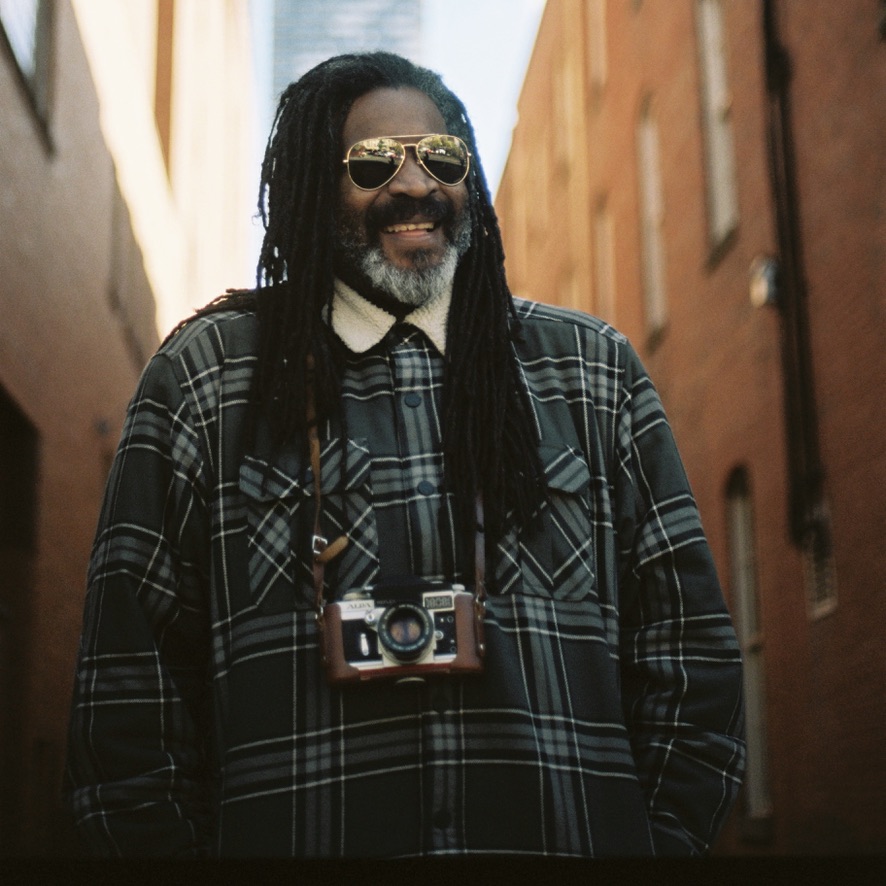
If you’ve ever walked through Montreal’s Plateau on a humid July evening, where the air smells of espresso, street art is on display on every brick façade, and the rules of the world seem to melt into a local pub’s patio, you already know the soul of Cologne. I’ve travelled here 3 or 4 times, and I’m never disappointed by its gritty, creative flavour. Cologne isn’t just a destination; it’s a second home.
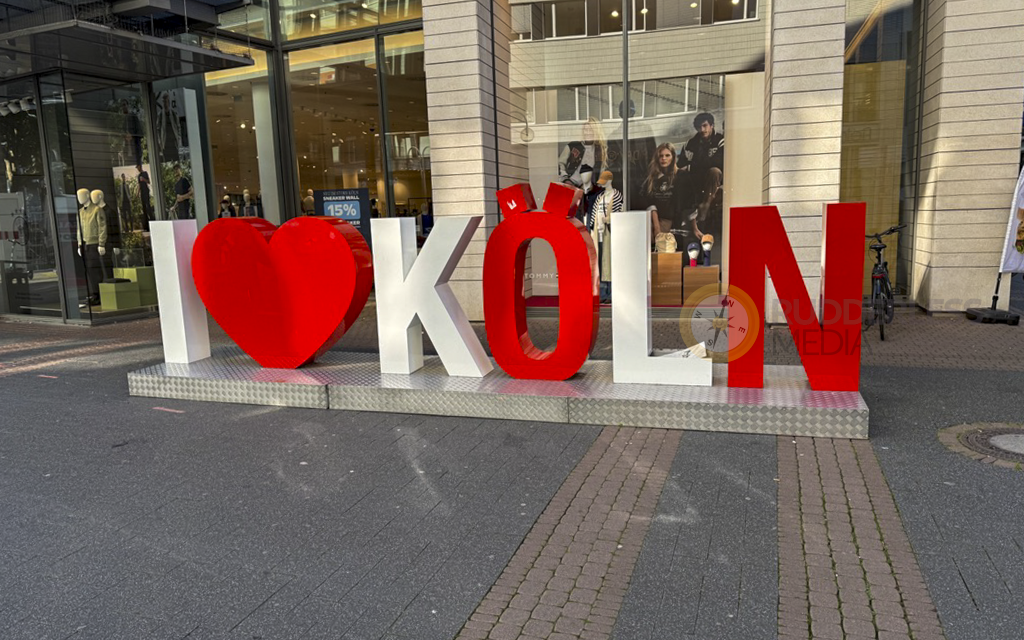
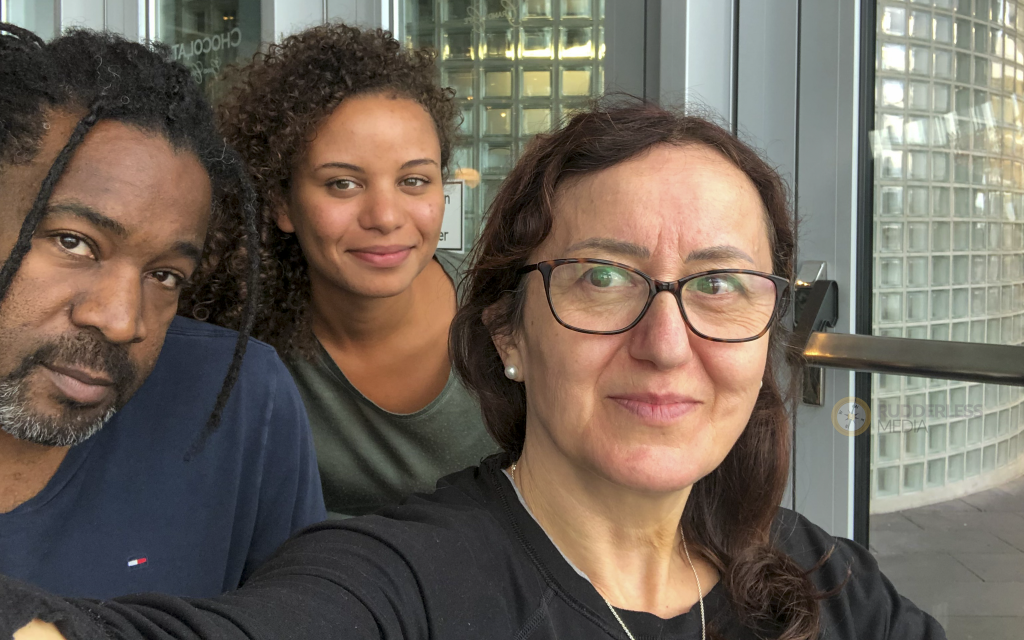
When most people think of Germany, they picture Bavarian Lederhosen or the sleek, glass-and-steel architecture of Frankfurt. But Cologne refuses to conform to the “stiff” German stereotype. This trip was extra special. I stayed in Deutz with my cousin Santana and finally met her son (my little cousin/nephew) for the first time since the pandemic. I also met her brother, Justus, and her partner, Patrick. It was also my first time exploring the city through the eyes of a content creator. I wasn’t just wandering through the most common tourist attractions; I was searching for the stories that make this the “Hipster King” of Germany and the many reasons why you should visit Cologne!
Our Deutz Basecamp
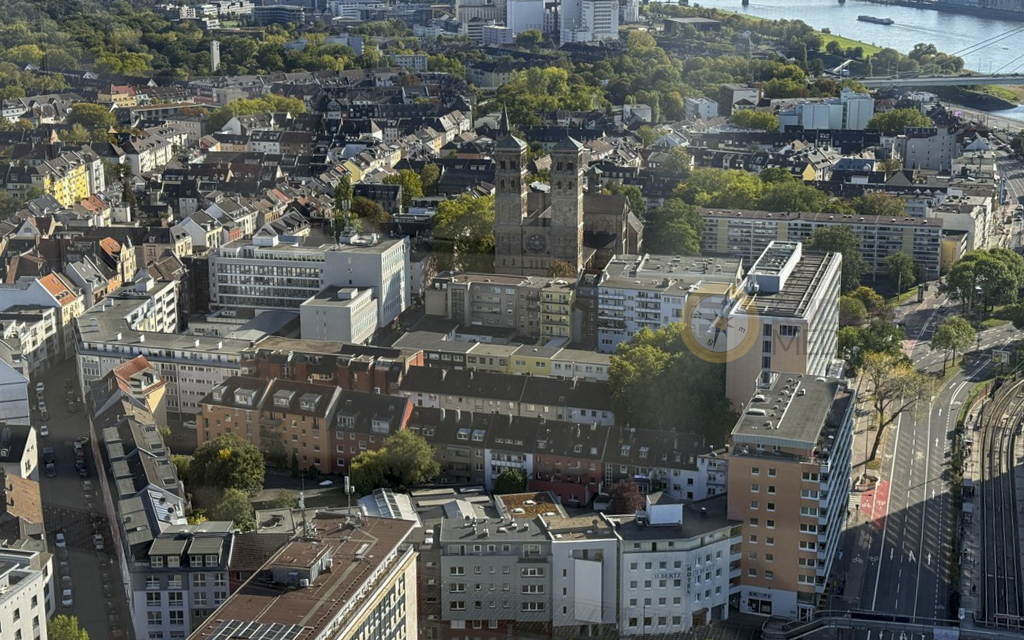
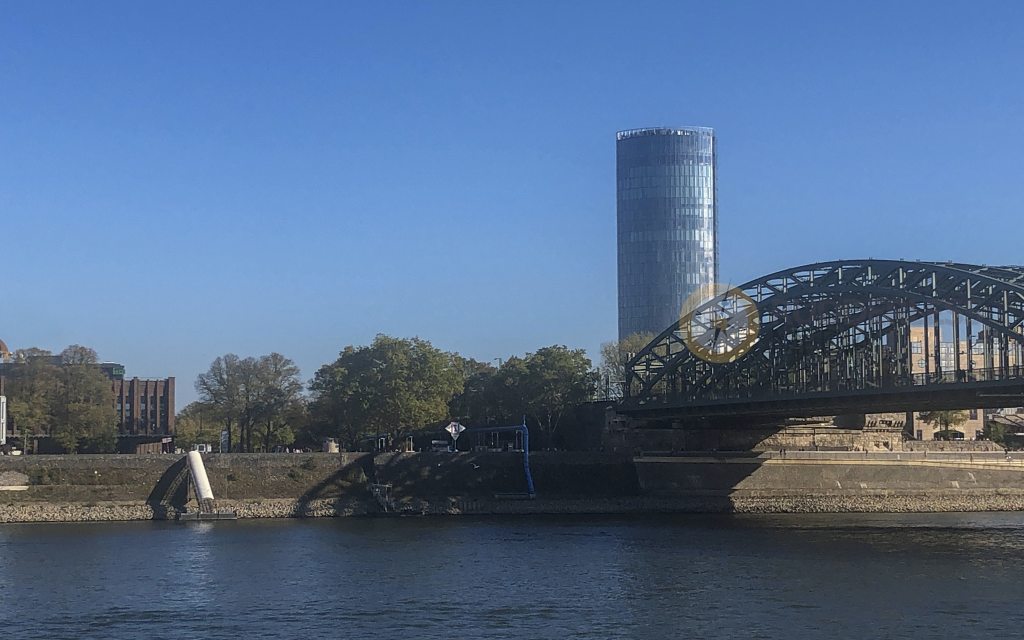
While most tourists flock to the shadow of the Cathedral on the left bank, I highly recommend staying in Deutz. Located near must-see Cologne attractions, like the KölnTriangle and the Köln Messe/Deutz station, this is the “right side” of the Rhine. The authentic side.
Gaststätte Lommerzheim
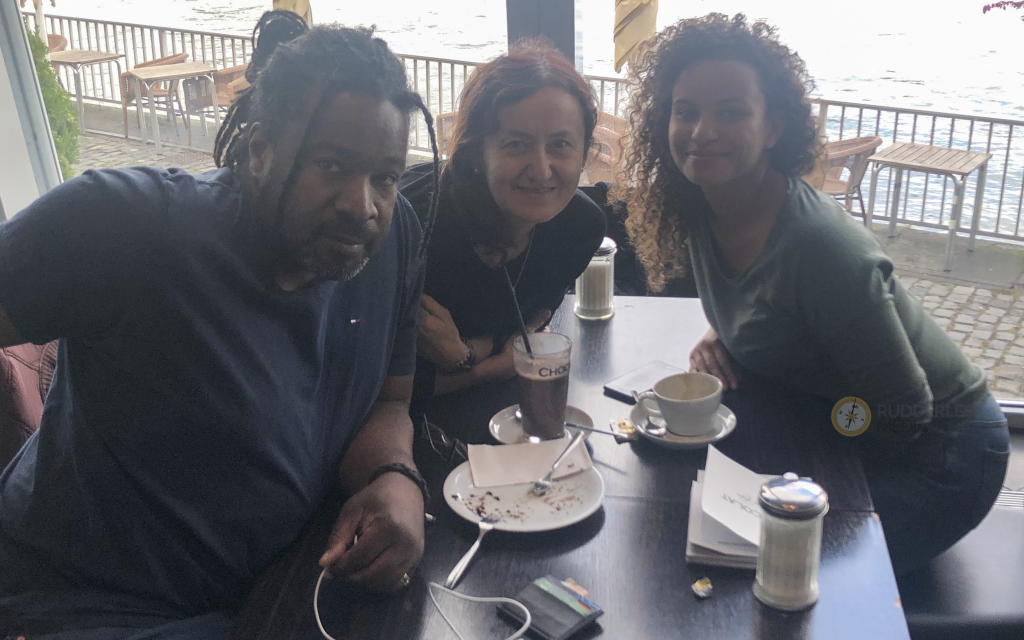
While Santana was at work, I set up at Gaststätte Lommerzheim, a well-known local pub and dining spot. I sat here with a coffee in hand, working on content and soaking in the rustic charm. It may look like a hole in the wall from the outside, but don’t be fooled! Gaststätte Lommerzheim first opened in 1959, then reopened in 2008 after a much-needed renovation.
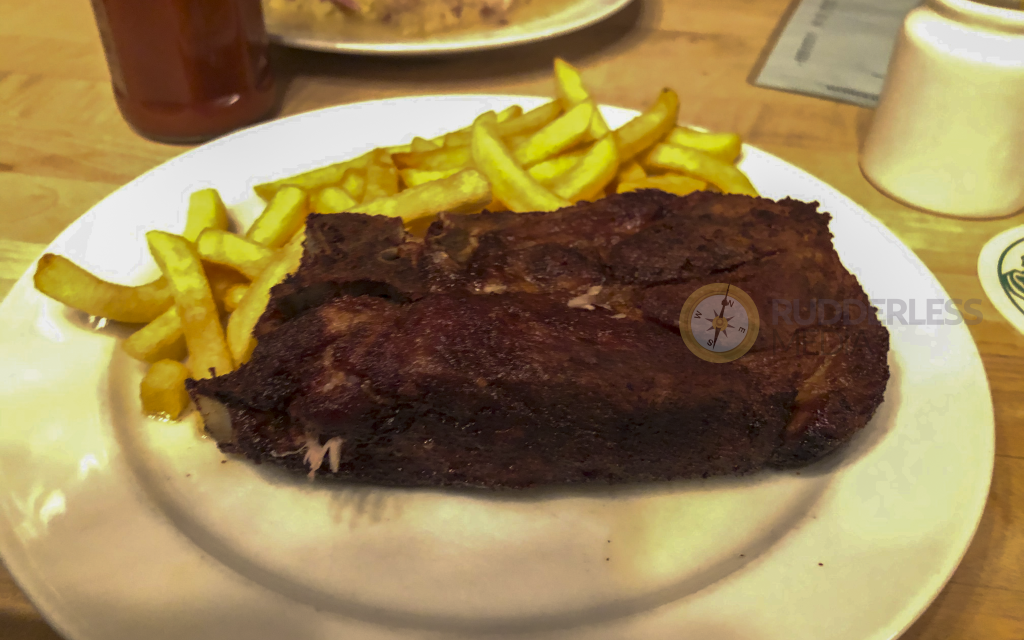
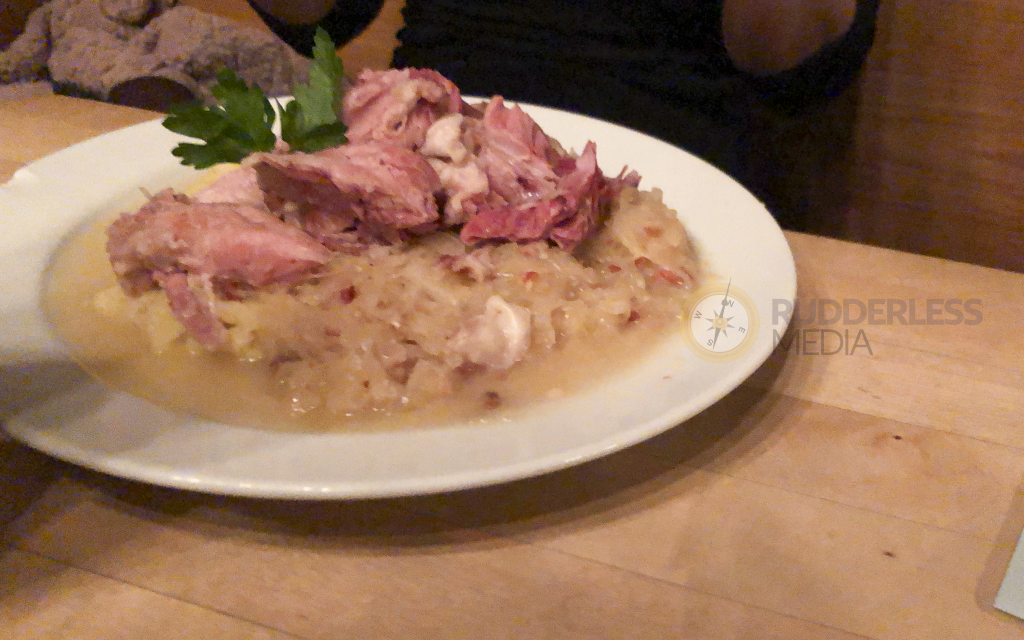
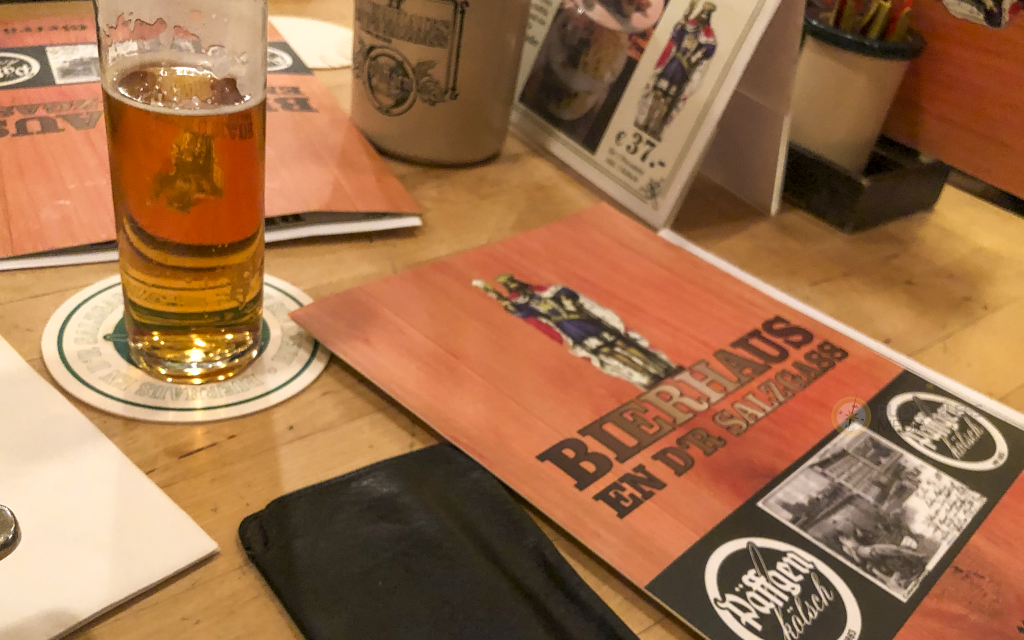
While I only enjoyed my coffee, I did peek at the delicious menu. Focusing on authentic German cuisine and fresh, locally-sourced ingredients, there are plenty of great options to choose from. Pair your meal with a selection from their endless list of beers for a true local experience.
Take a Casual Walk Through Deutz
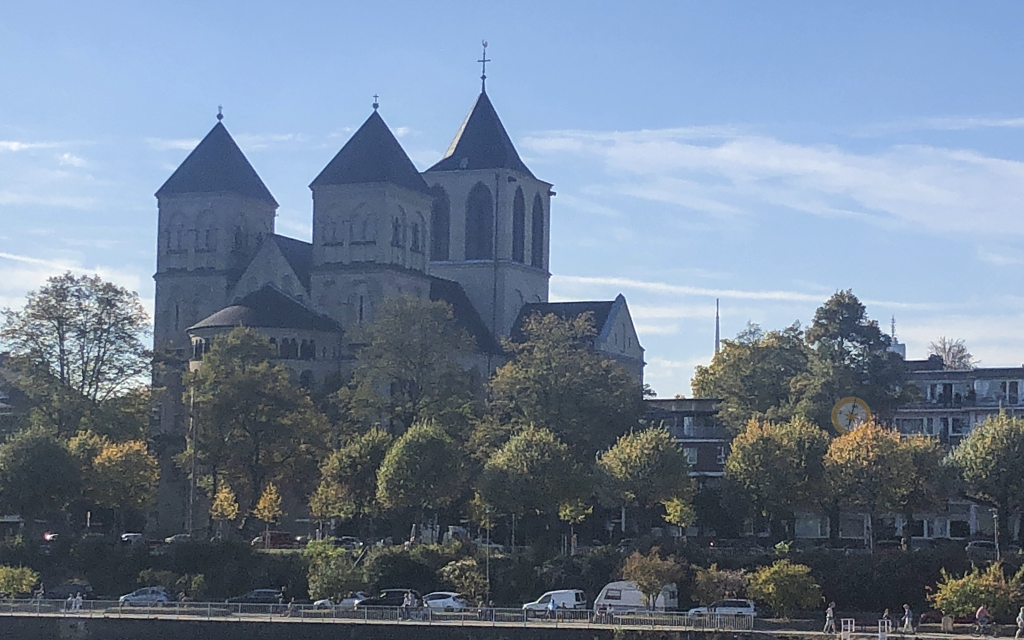
Of course, you can’t stay in Deutz without exploring some of the beautiful sights and attractions the area has to offer. Patrick and I took the little one out for a walk, visiting some beautiful locations and enjoying a stunning skyline view of the Cathedral without the crowds. We even grabbed a bottle of Patrick’s favourite beer, Bayreuther Hell, to enjoy during our stroll.
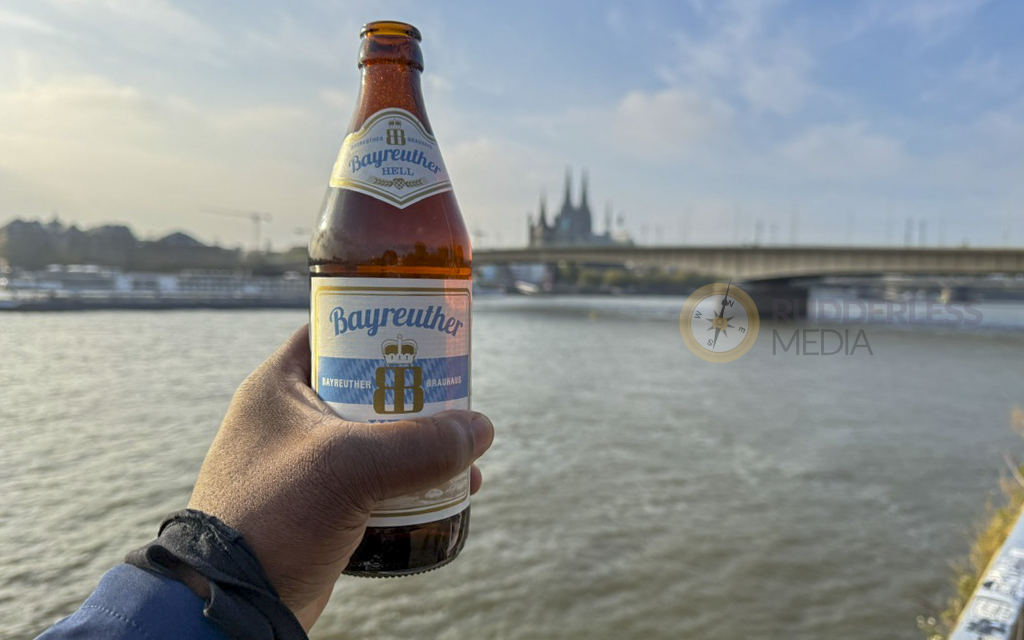
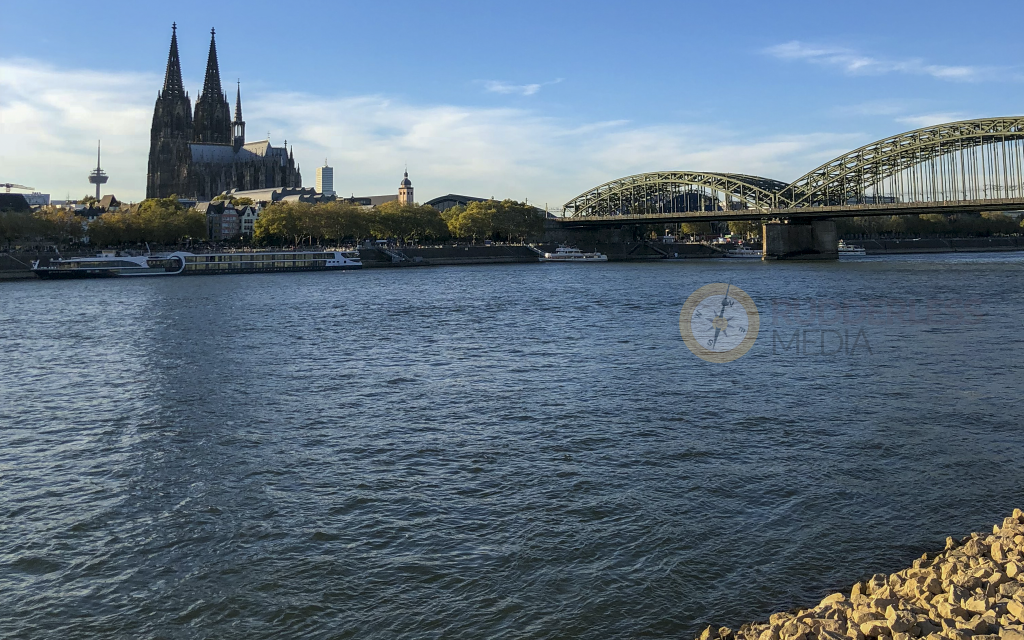
During our walk, we stopped at Römisches Kastell Deutz, a historic fort built in the early 4th century. The fort isn’t standing after all this time. However, you can see a monument to the fort with a replica of what it once looked like, along with the preserved “ham cauldron.”
We also visited the Rheinpromenade Köln-Deutz, a popular spot for photos with the Cologne Cathedral in the distance. This waterfront walking path runs along the banks of the Rhine River. It’s the perfect spot for a relaxing stroll, to take in the sunset over the Rhine, or to sit and enjoy a beer with a view.
The “Big” Cologne Attractions
You can’t visit Cologne and ignore the city’s biggest icons. But there’s a massive difference between visiting these landmarks and actually experiencing all that they represent. To get the real feel, you have to look past the Instagram-worthy visual and see them the way someone who lives here does: as the backdrop to everyday life.
Cologne Cathedral
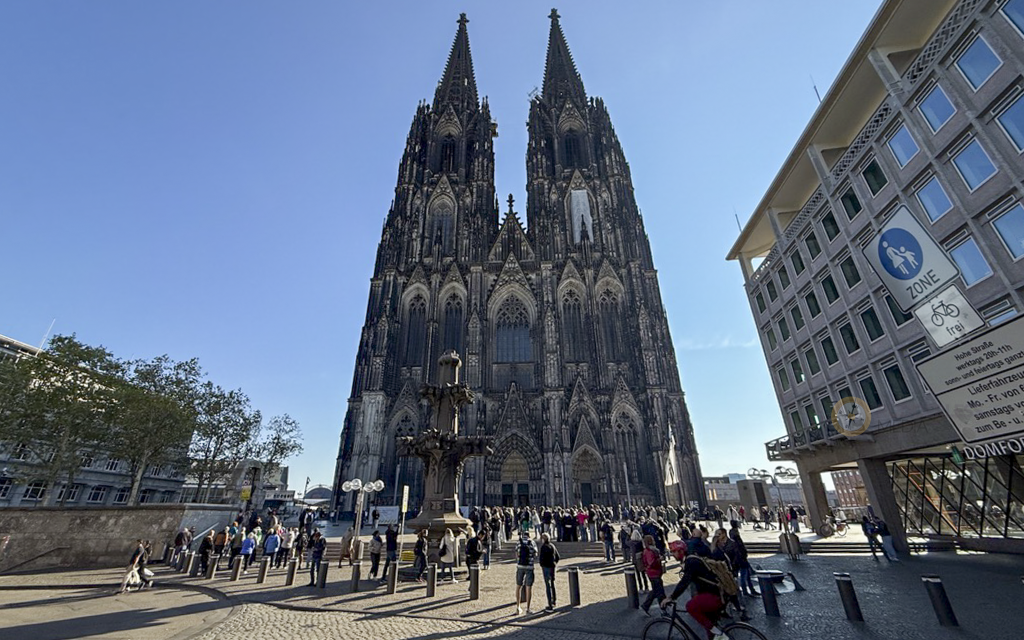
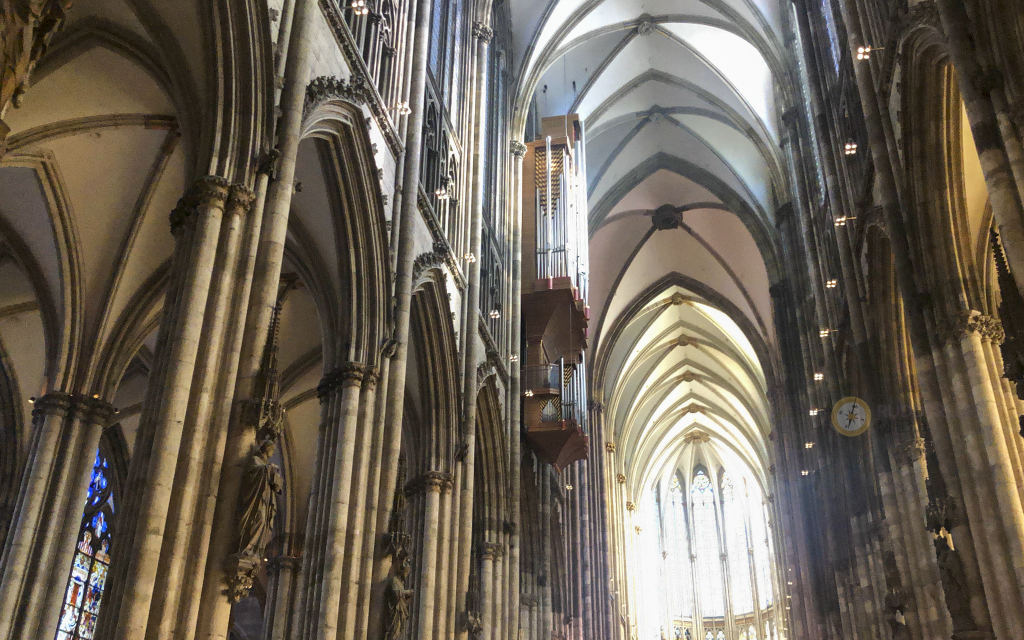
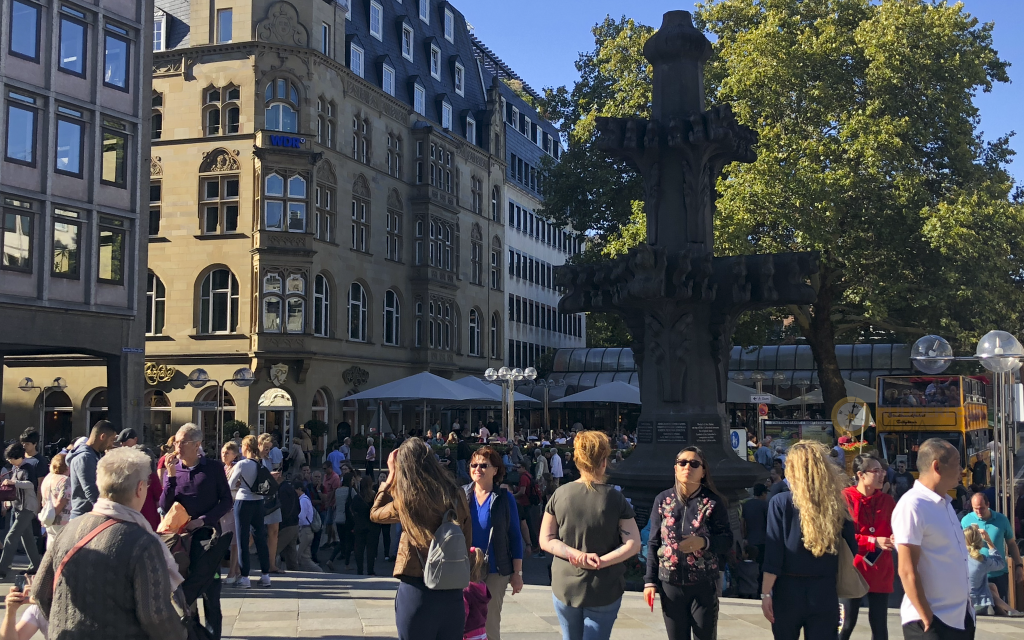
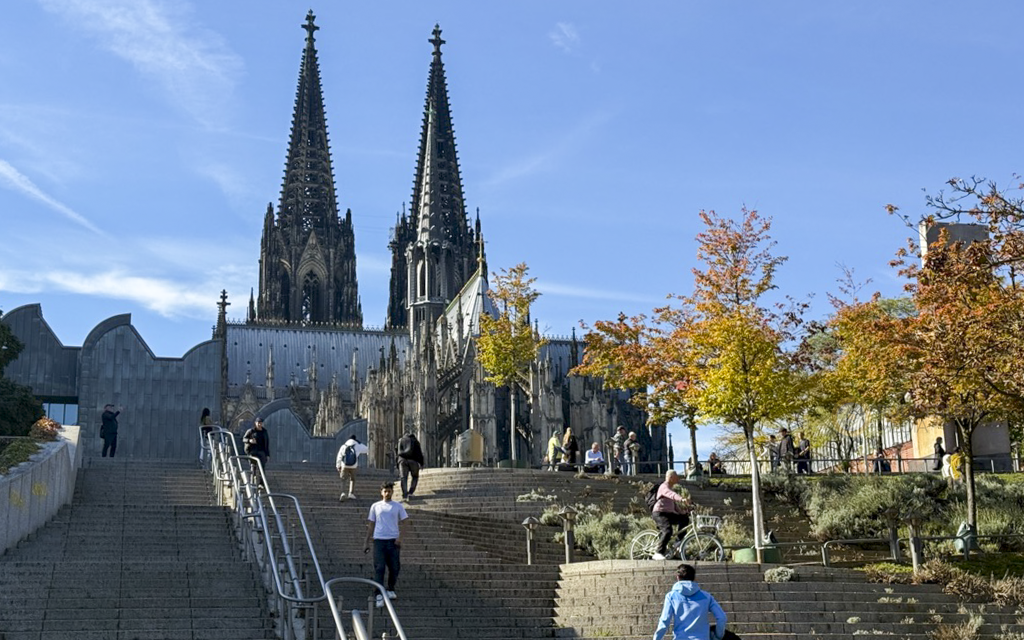
Arguably one of the most talked about places to visit in Cologne, this is my absolute favourite cathedral in the world. When you arrive and step out of the central train station, BOOM, it’s right there. The Cologne Cathedral is a UNESCO World Heritage Site, with construction taking place in several stages from 1248 to 1880. Looking up at those twin spires for the first time is like an assault on the senses. It’s gothic, grand, and (honestly) a little bit intimidating. Even after four trips, that first glimpse takes my breath away.
Hohenzollern Bridge
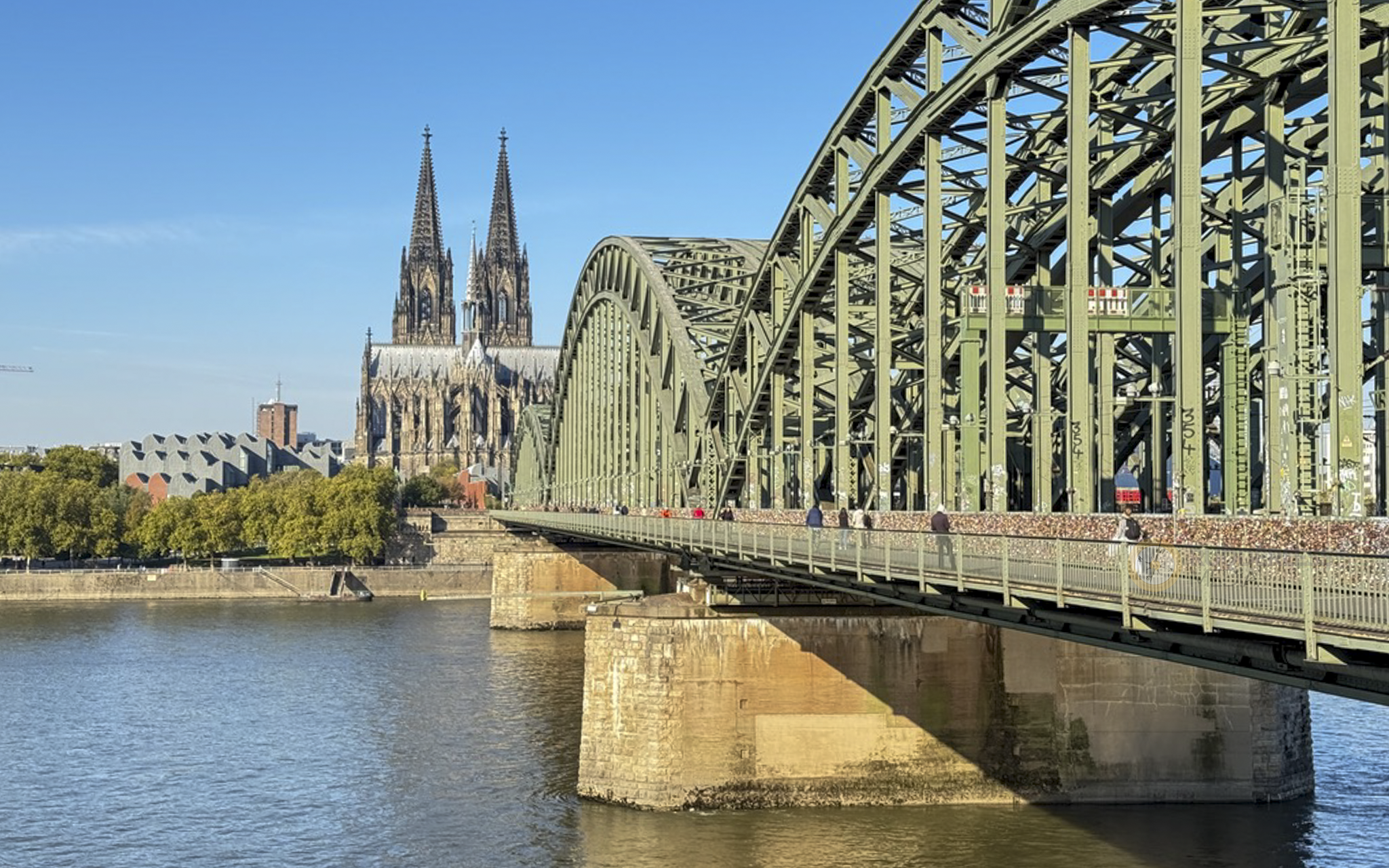
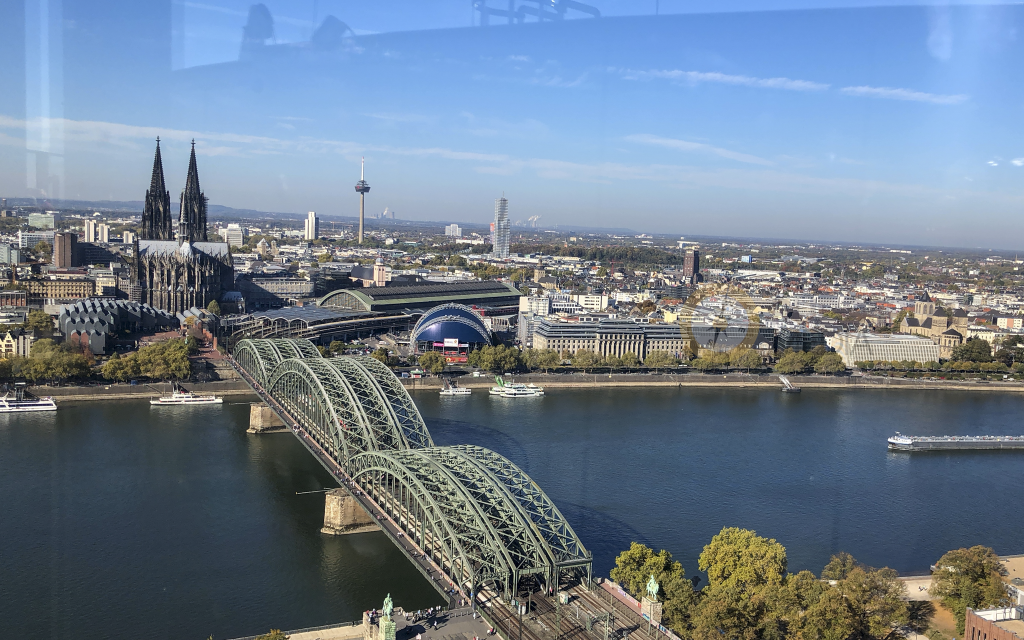
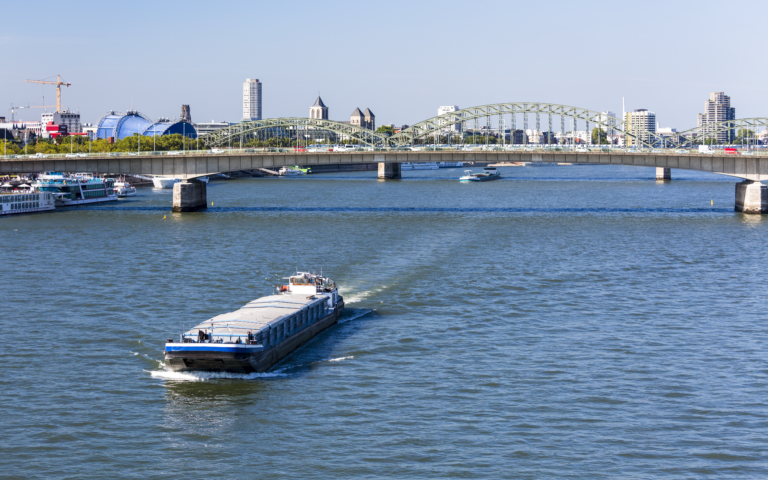
Walking across the Hohenzollern Bridge, the first thing you’ll notice is the thousands of “love locks” that cling to its grates. It creates a massive, metallic rainbow that stretches across the Rhine. A true symbol of love and commitment. While the bridge is a popular tourist attraction, locals also use it for their daily commute, so there is constant foot traffic from dawn to dusk. For a truly magical moment, try walking the bridge at sunset, with the trains rattling past and the locks catching the light.
Gems of Alstadt
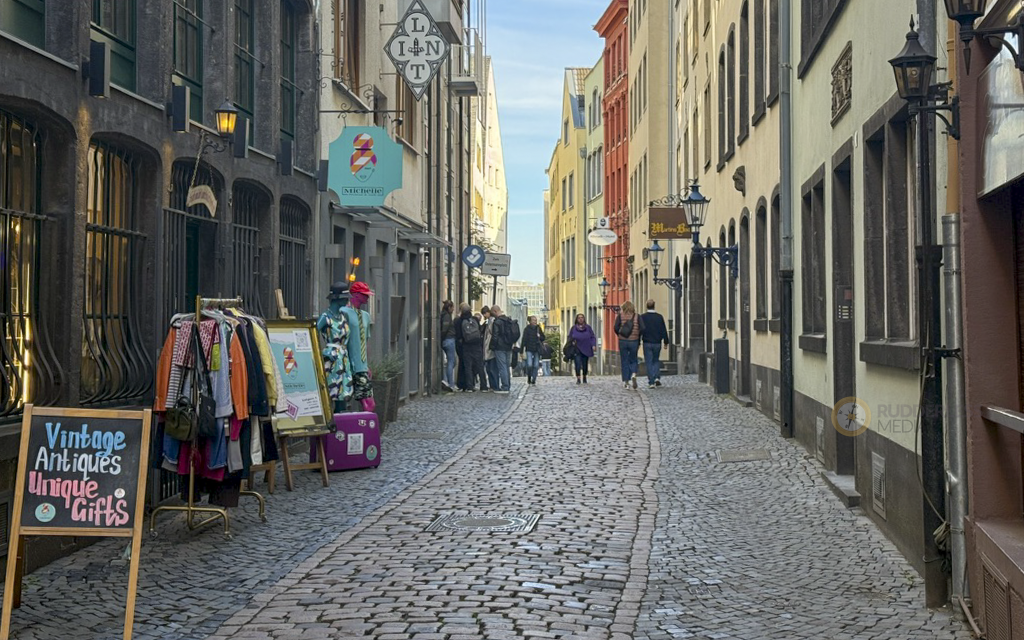
Once you’ve made it across the bridge, resist the urge to just linger in the shadow of the Cathedral (I know, it’s tempting). Instead, head deeper into the Altstadt (Old Town). This isn’t just a collection of old buildings; it’s a living museum where the city’s past and present come together seamlessly.
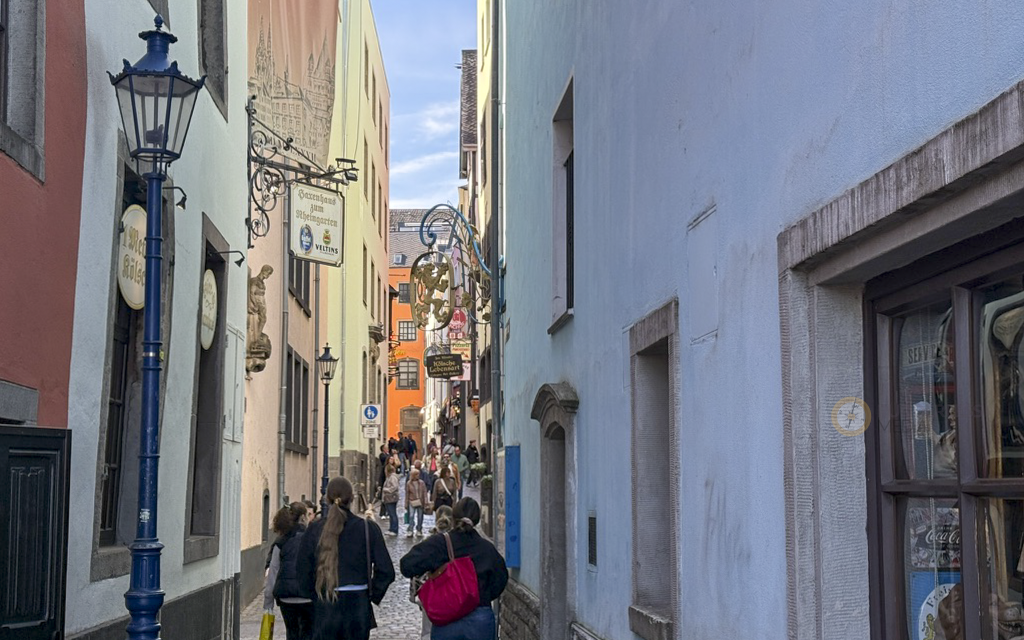
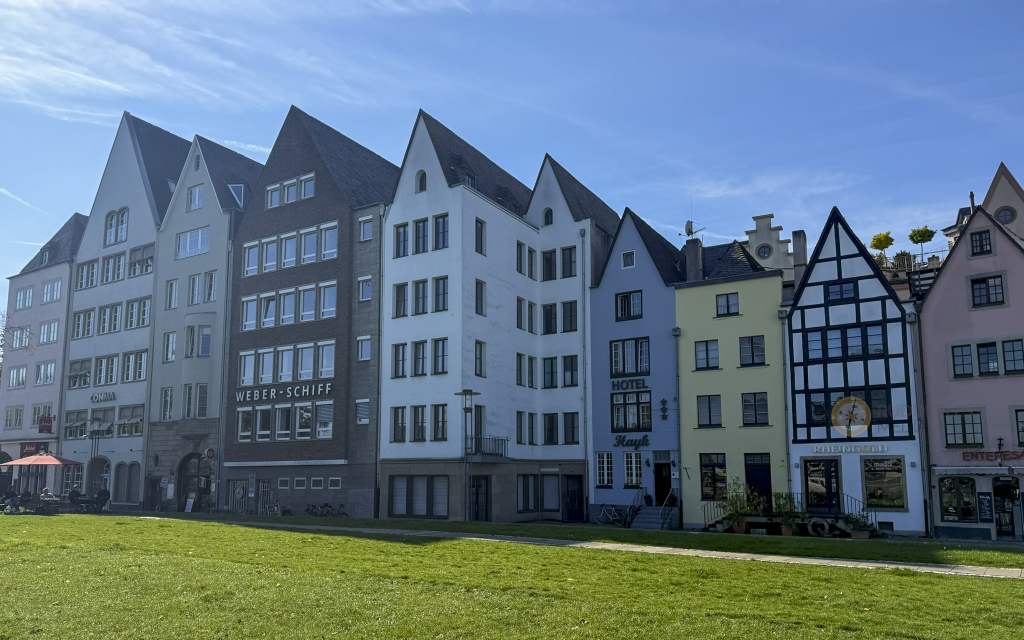
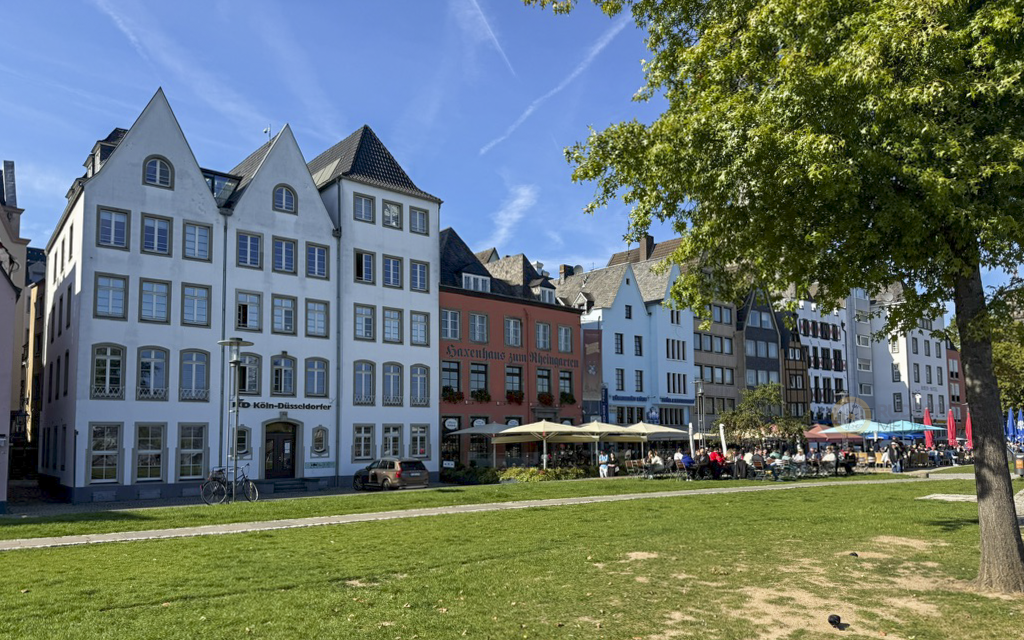
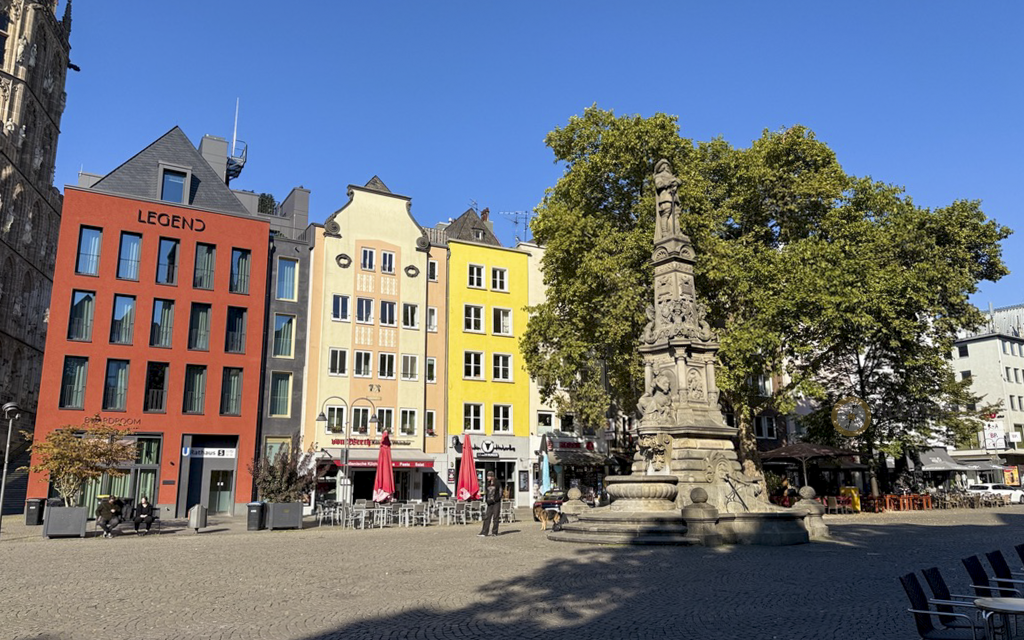
- The Fish Market: Take some time to wander through Cologne’s historic Fish Market. This spot is a creator’s dream! Those brightly coloured houses are a must-photograph, looking like something straight out of a Wes Anderson film. Don’t forget to check out the Fischweiberbrunnen (Fishwives’ Fountain), a nod to the history of the fish market and local fish trade, designed in 1986.
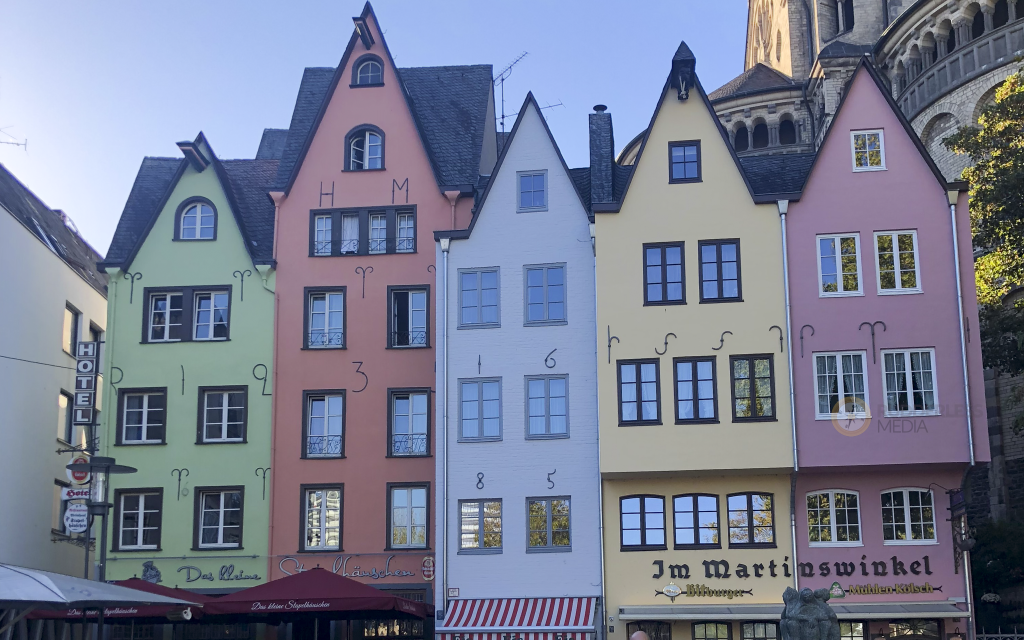
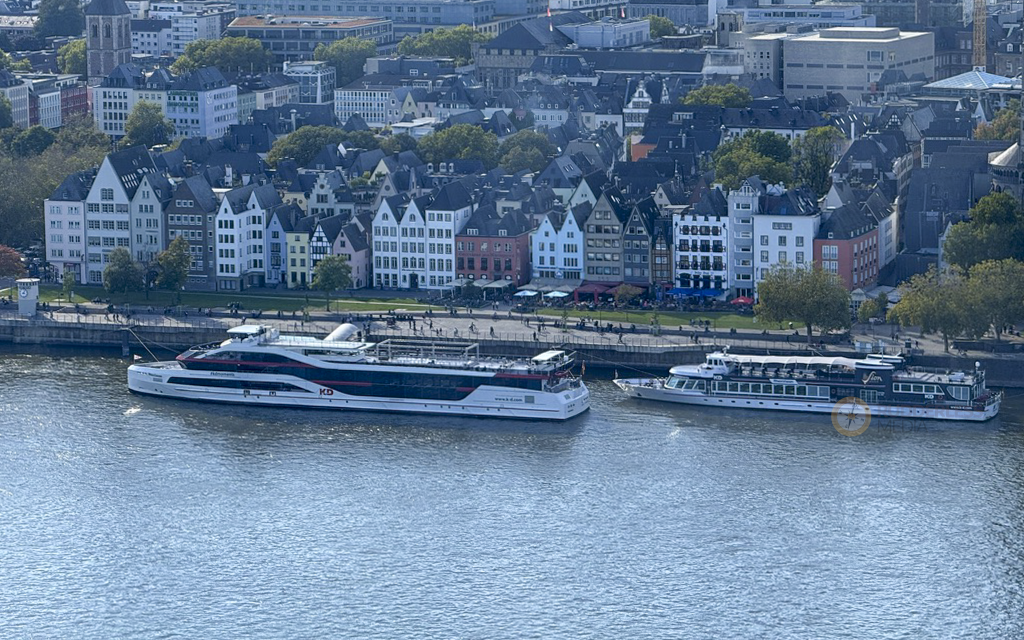
- Great St. Martin Church: The massive tower of Great St. Martin is unmissable, dominating the skyline. One of twelve Romanesque churches in Cologne, it was built on the remains of a Roman chapel. The churches were all built between approximately 1150 and 1250. It was significantly damaged during World War II, but it was restored in 1985.
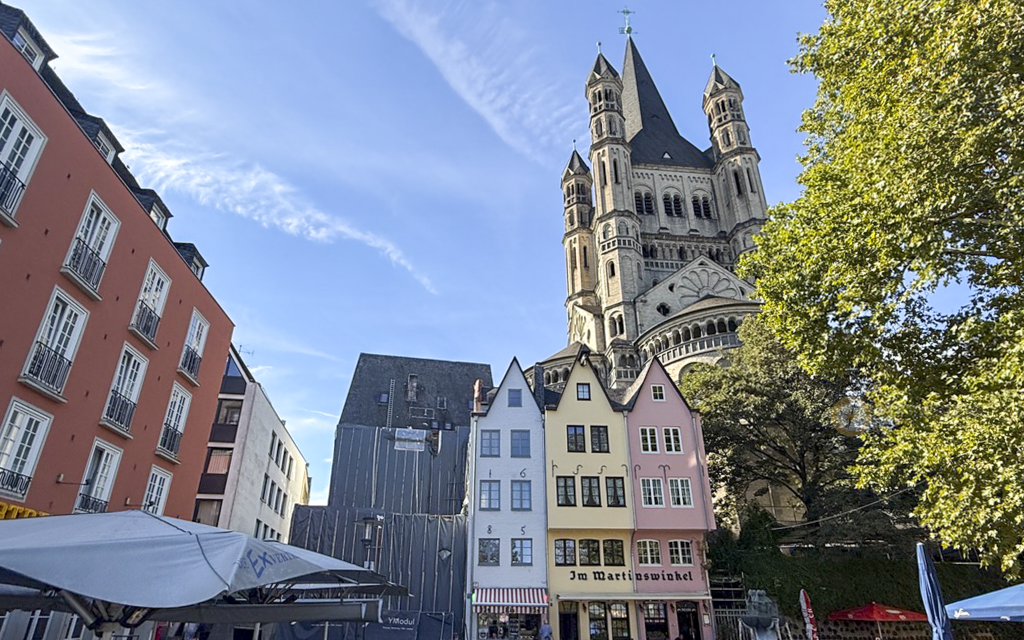
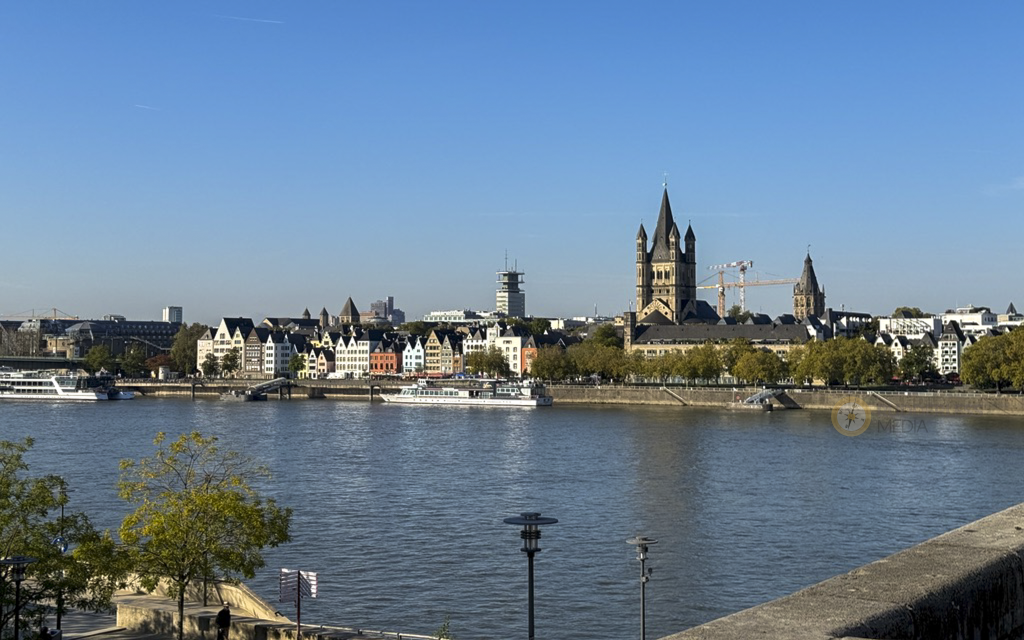
- Rheingarten: Created in 1957, Reingarden was a step toward a brighter future following World War II, transforming 48 hectares of rubble and debris left behind by the war. It is home to large green spaces, flower beds, trees, a playground, a youth centre, many walking paths, and 14 ornamental fountains. This is a great place to relax and take in the city’s more peaceful side.
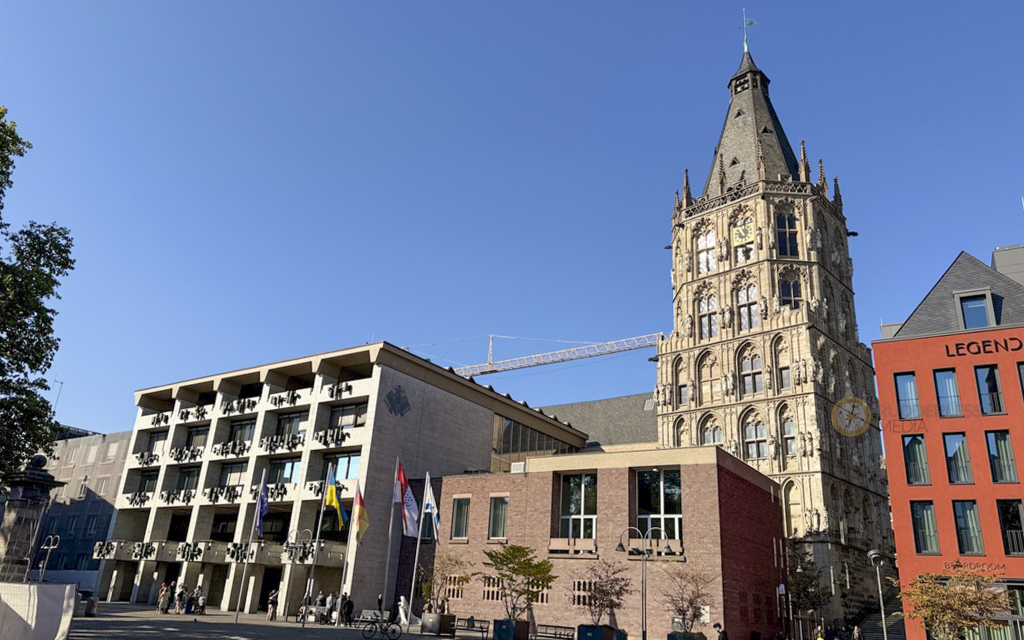
- Historisches Rathaus (City Hall): The oldest city hall in Germany, Historisches Rathaus is a perfect example of how Cologne has rebuilt itself over the years. This historic building includes over 800 years of history, including preserved medieval, Renaissance, and Gothic architecture. You can listen to the music of the tower’s 48 bronze bells daily at 9 AM, 12 PM, 3 PM, and 6 PM.
Savoring the City: Kölsch, Jazz, and Pretzels
When you’re deciding where to eat in Cologne, be prepared for a unique experience. This isn’t a city of white tablecloths and fine dining; it’s a city of long wooden tables, infectious laughter, and waiters who will playfully tease you if you don’t know the local customs. The food here is unapologetically German. It’s hearty, salt-of-the-earth, and designed to be washed down with a cold glass of Kölsch.
Ex-Vertretung
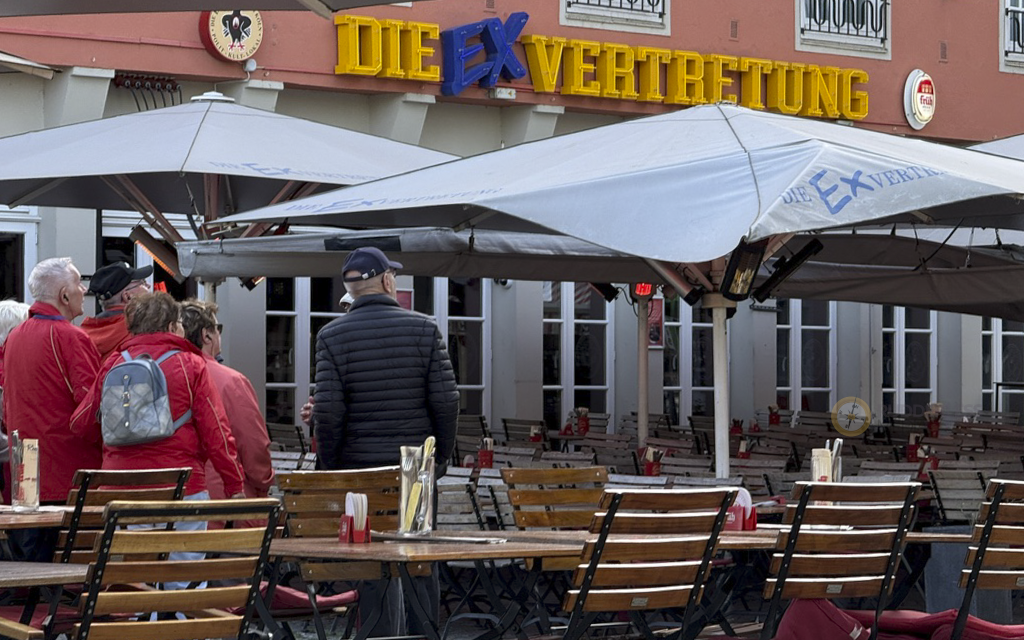
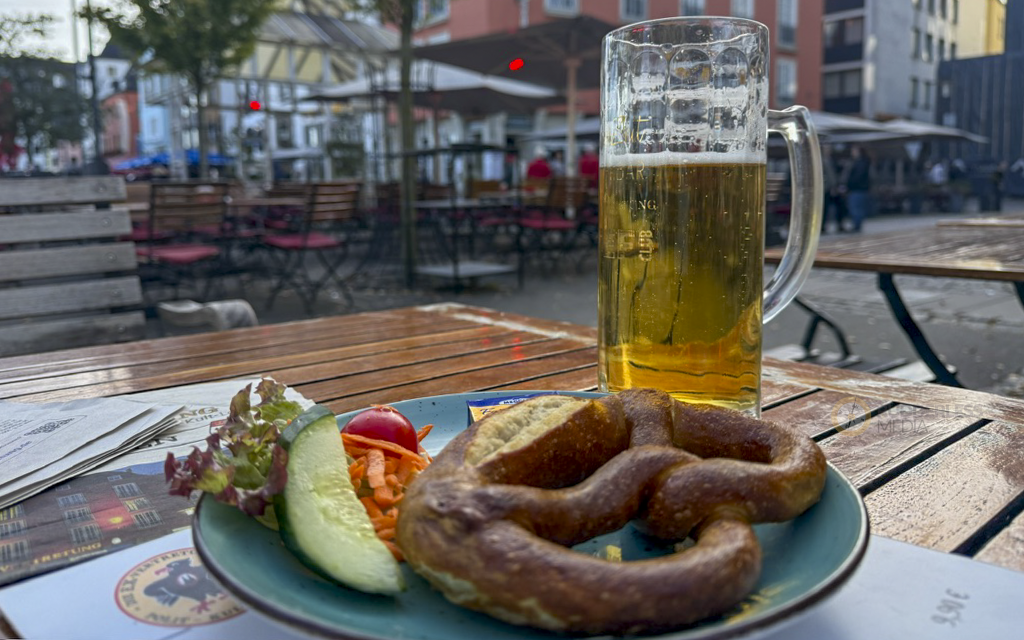
Located right along the Rhine (with stunning views), Ex-Vertretung is one of those spots that perfectly capture the “Old Town” vibe without feeling like a tourist trap. This spot is a combination of a beer garden and a museum, with historical images displayed throughout the building that tell the story of post-war political Germany. I stopped here for a beer and one of those massive, soft, salt-covered pretzels.
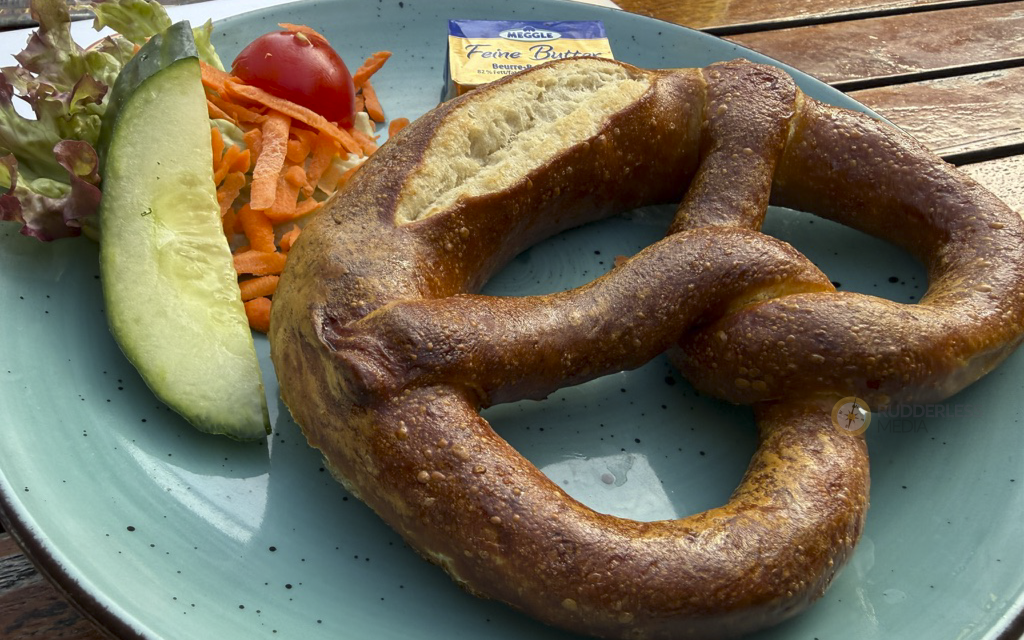
My pro-tip? You must slather on the butter before every single bite. It’s the only way to do it right! This is the perfect mid-afternoon snack to fuel your exploration of the city.
Hafenterrasse am Malakoffturm (Matrosengrill)
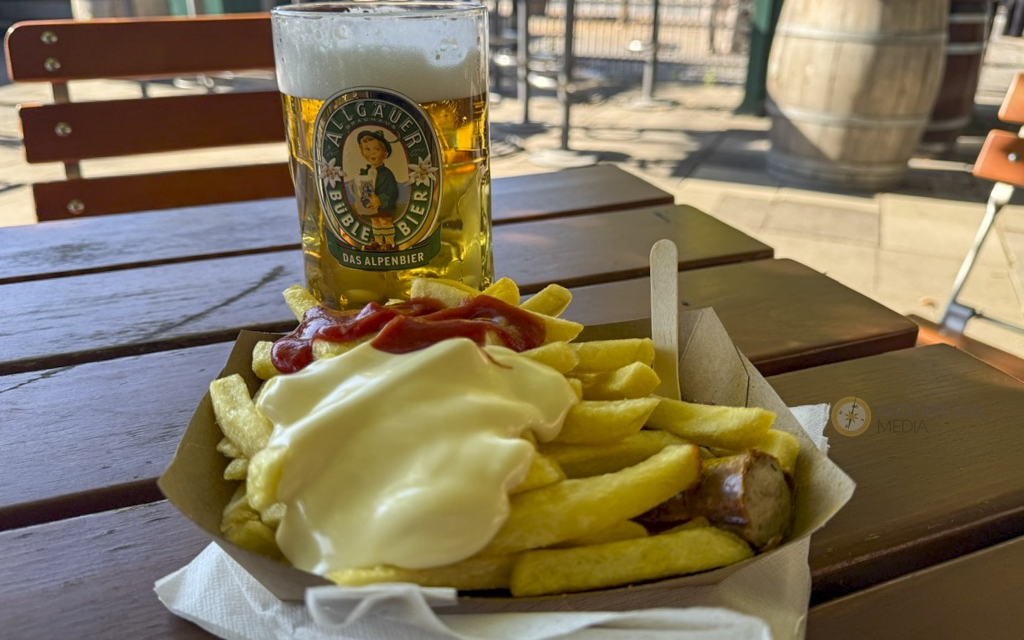
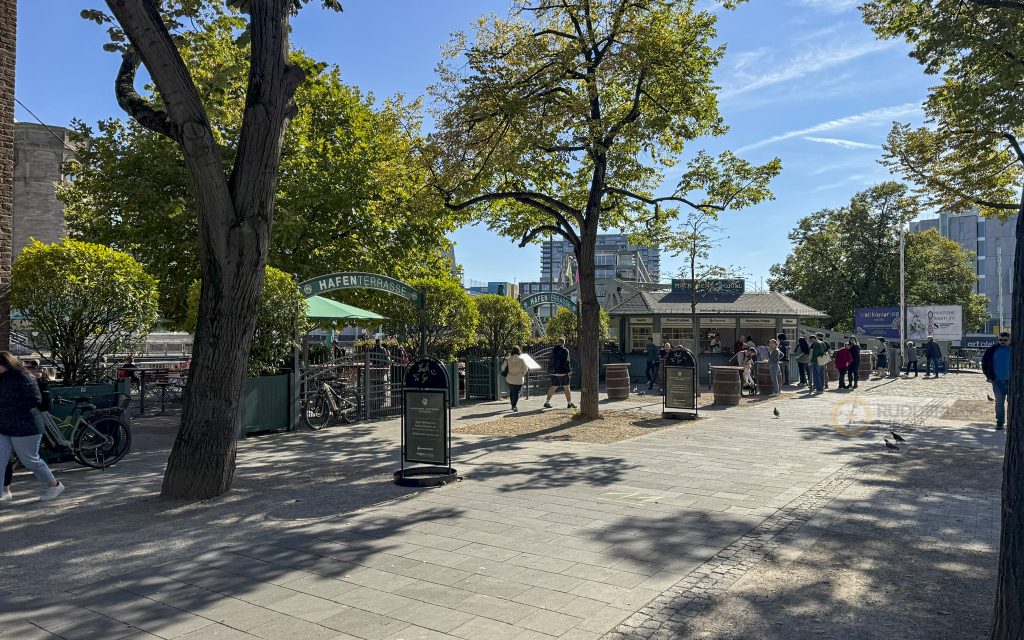
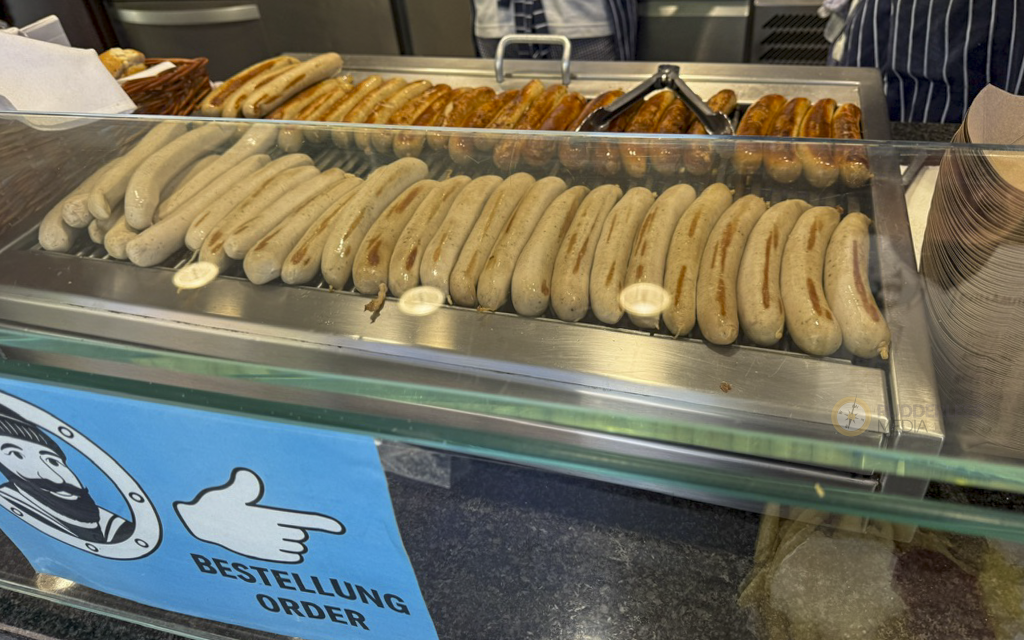
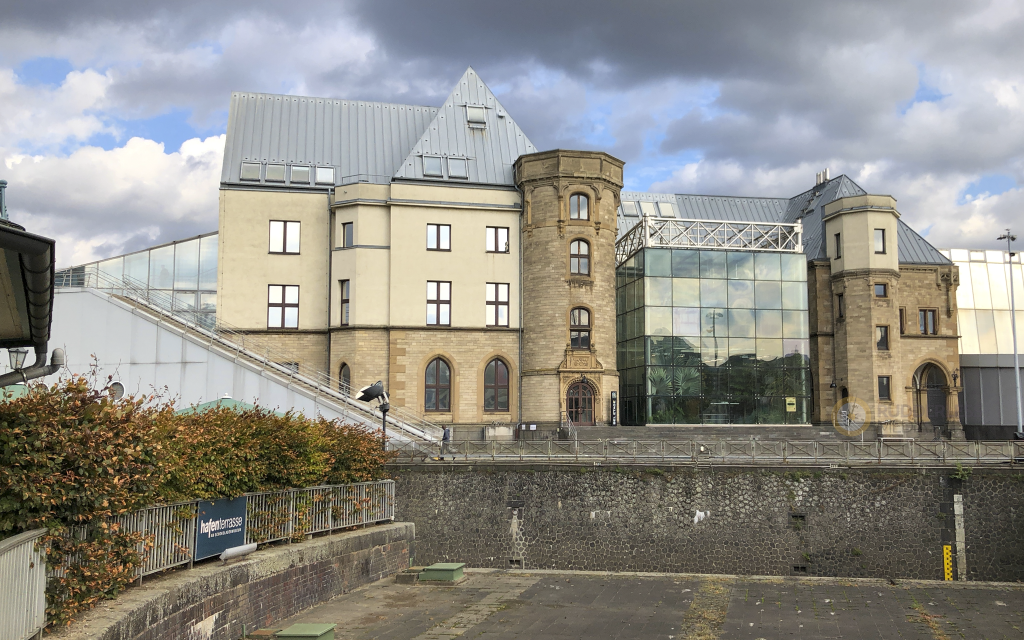
If you want a casual spot with a view, this is it. The Hafenterrasse is an outdoor beer garden with views of the Rhine. If you’re looking for a bite to eat to accompany your beer, the Matrosengrill is a food kiosk that offers a great selection of authentic German street food. It’s also conveniently located below the Malakoff Tower and right next to the Chocolate Museum.
I sat at the Matrosengrill section, tucked right by the river, and enjoyed a classic Wiener and fries. A bee landed right in my beer, getting drunk and promptly passing out. Being the polite Canadian that I am, I couldn’t just let him drown! I rescued the little guy, setting him on a napkin to recover from his bender while I kept right on drinking my beer.
Zum Spanferkel
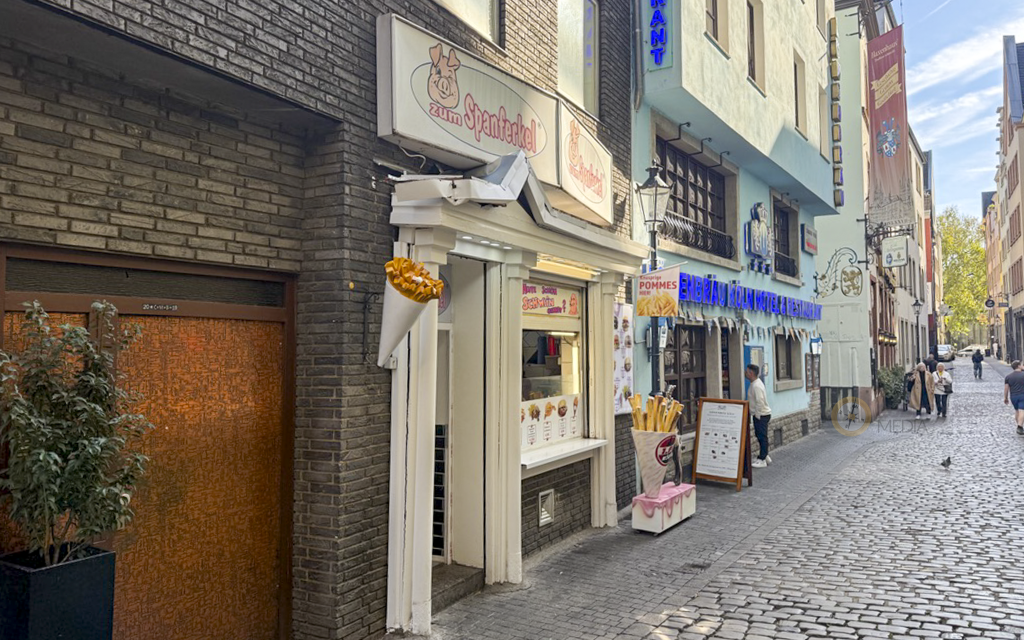
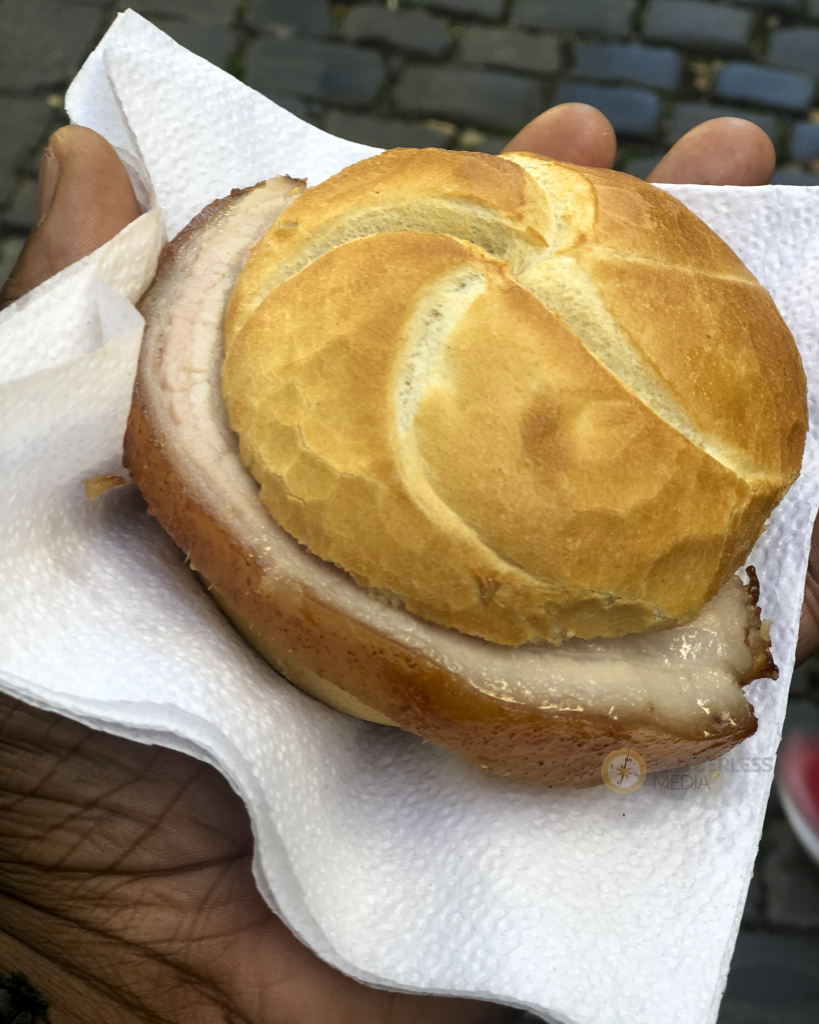
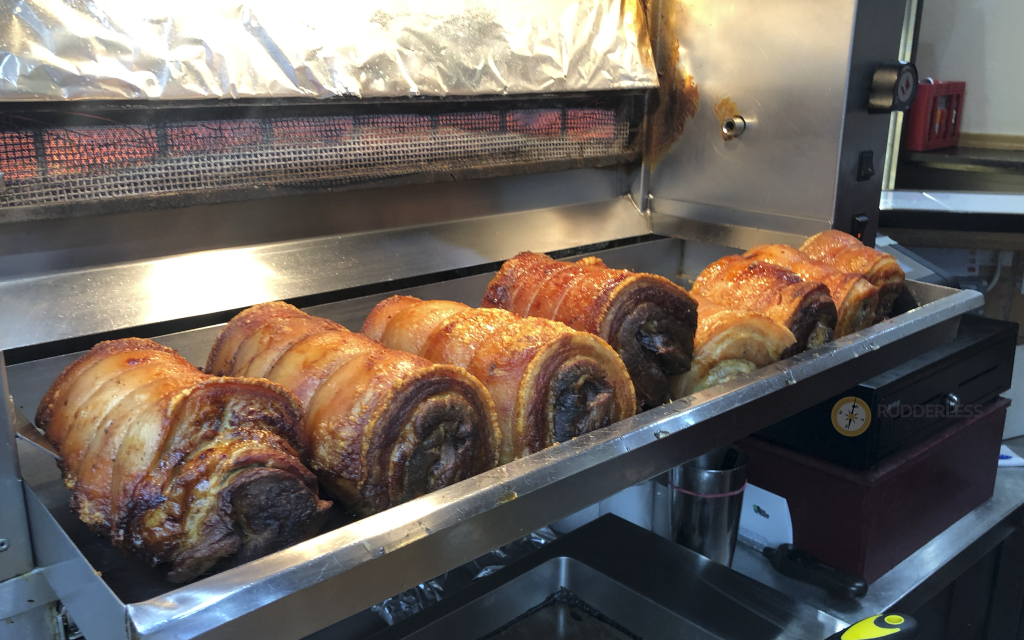
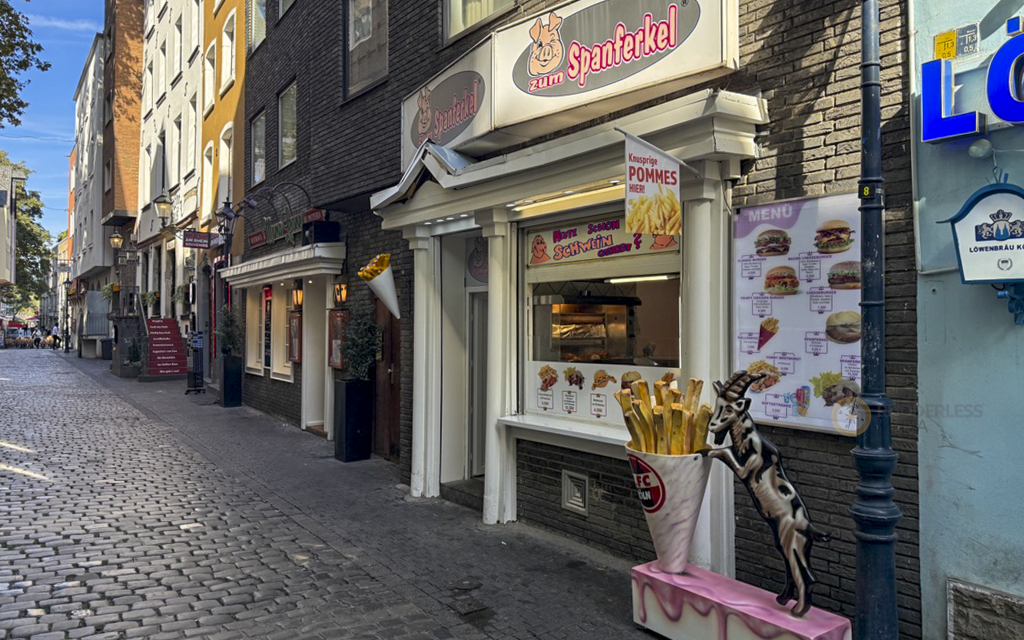
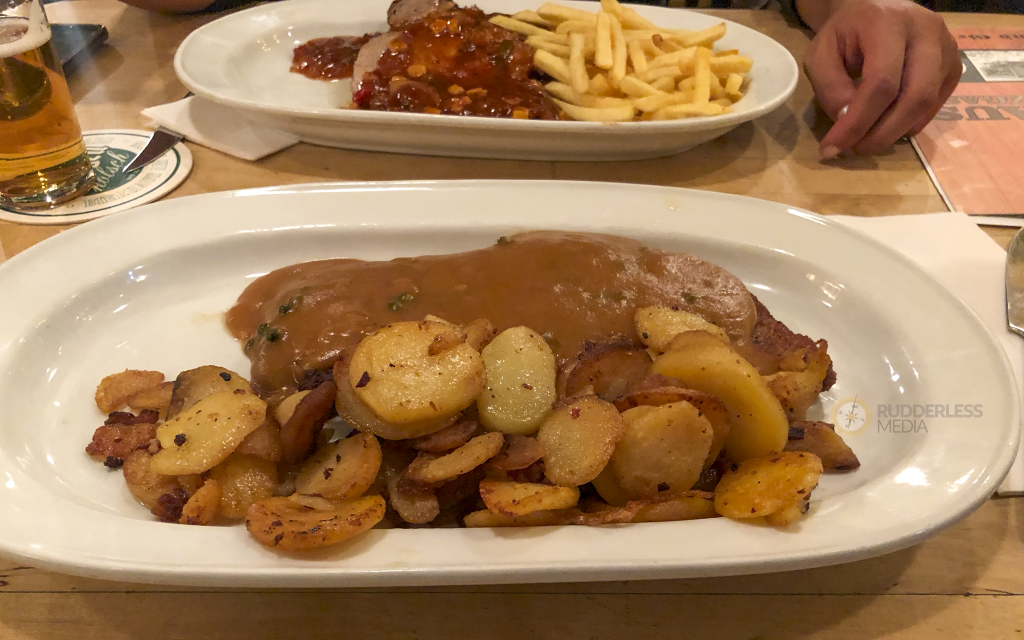
When I asked Santana to name the absolute best restaurants in Cologne for an authentic meal, she pointed me to the Zum Spanferkel. This place is best known for its legendary suckling pig. We’re talking tender, slow-roasted pork carved right off the spit and served on a crusty roll. It isn’t fancy, and it certainly isn’t a poke bowl or a salad; it’s the ultimate German comfort food.
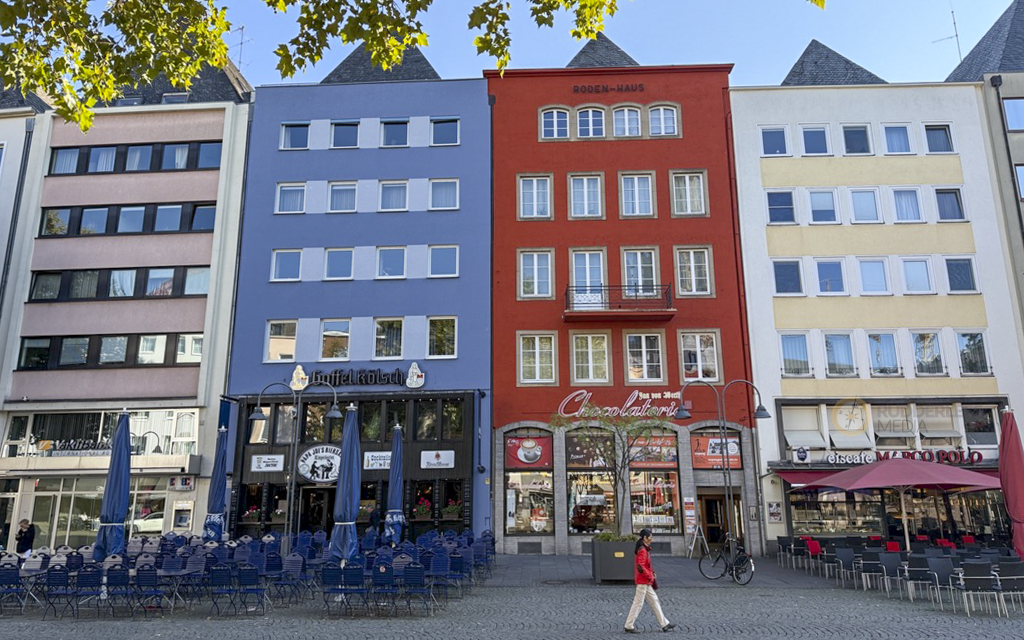
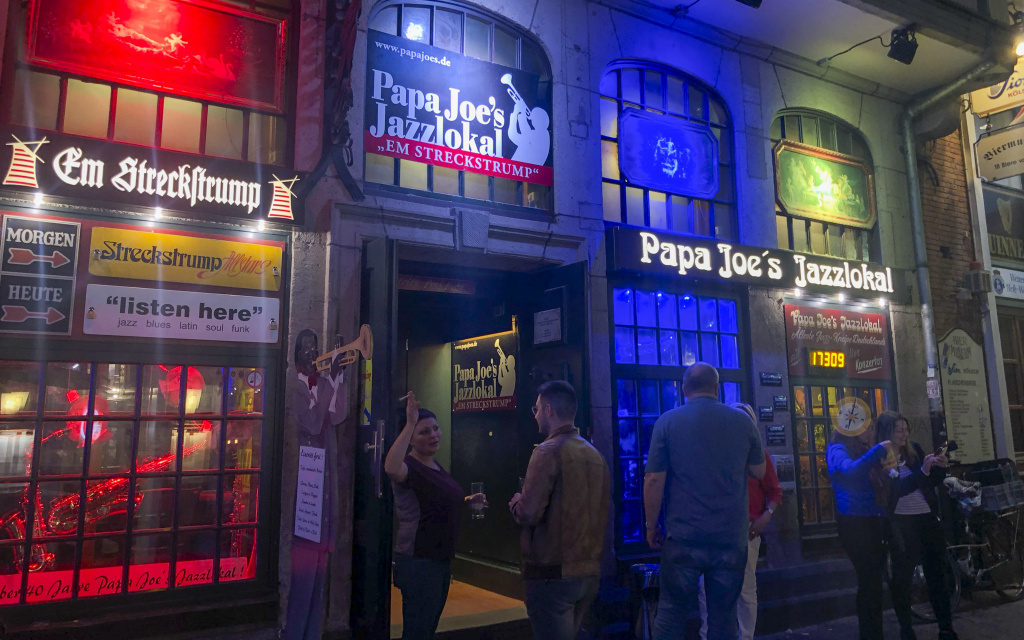
Papa Joe’s Jazz Bar
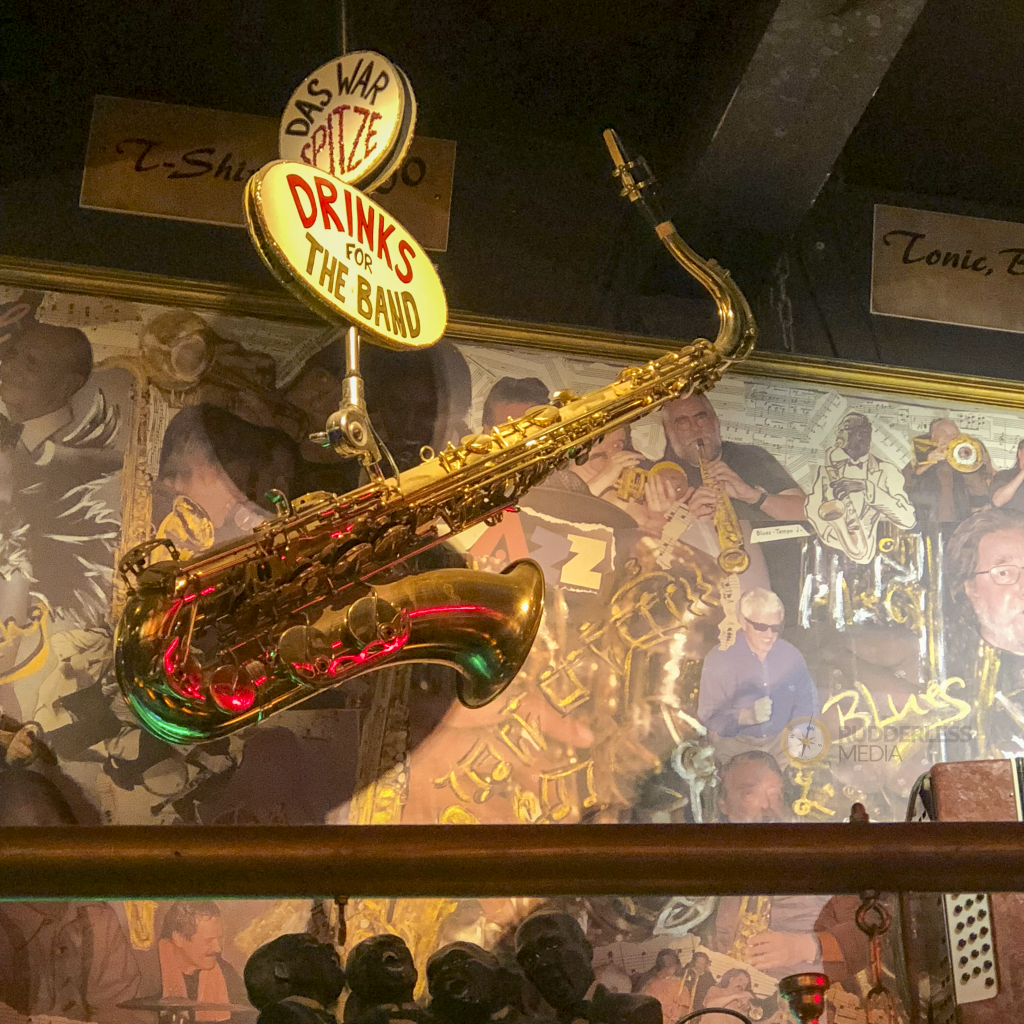
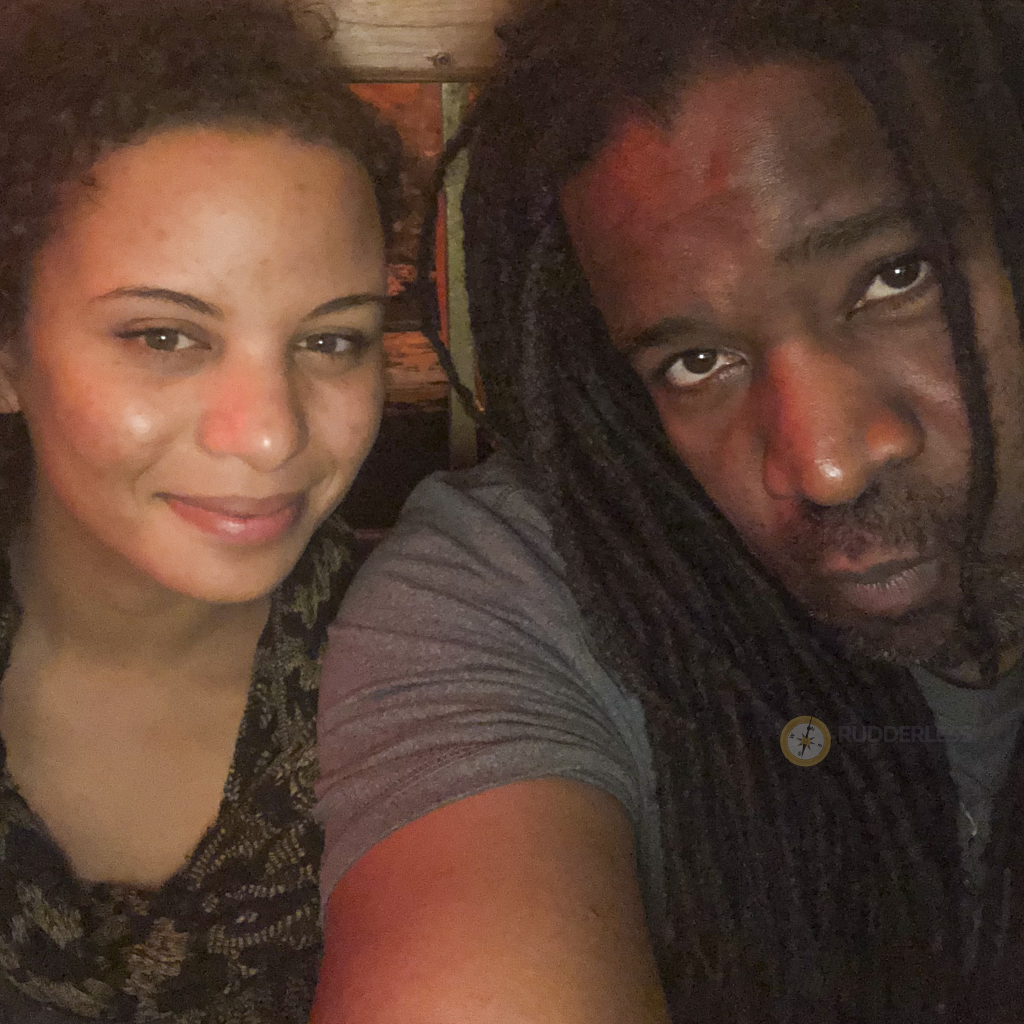
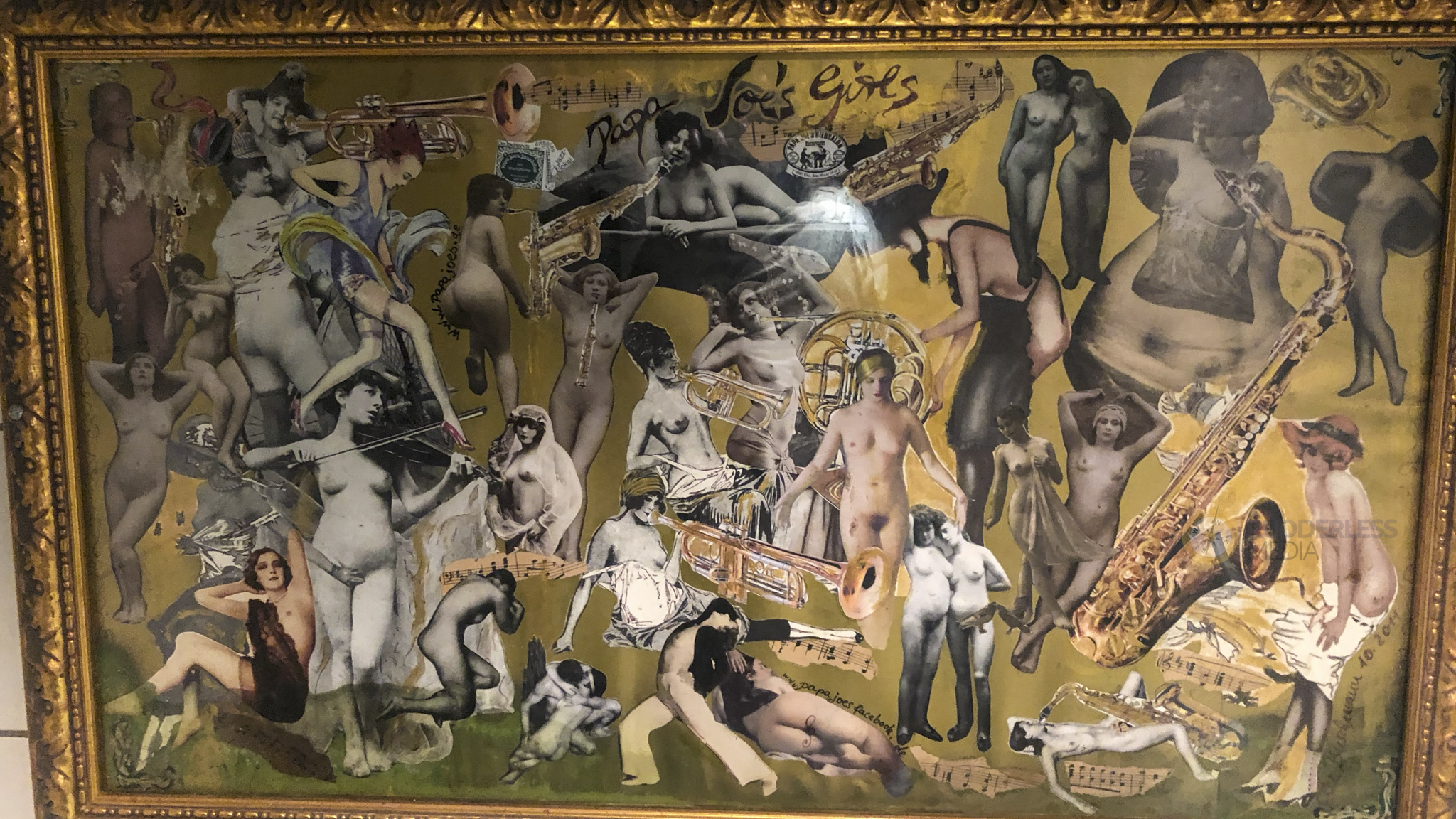
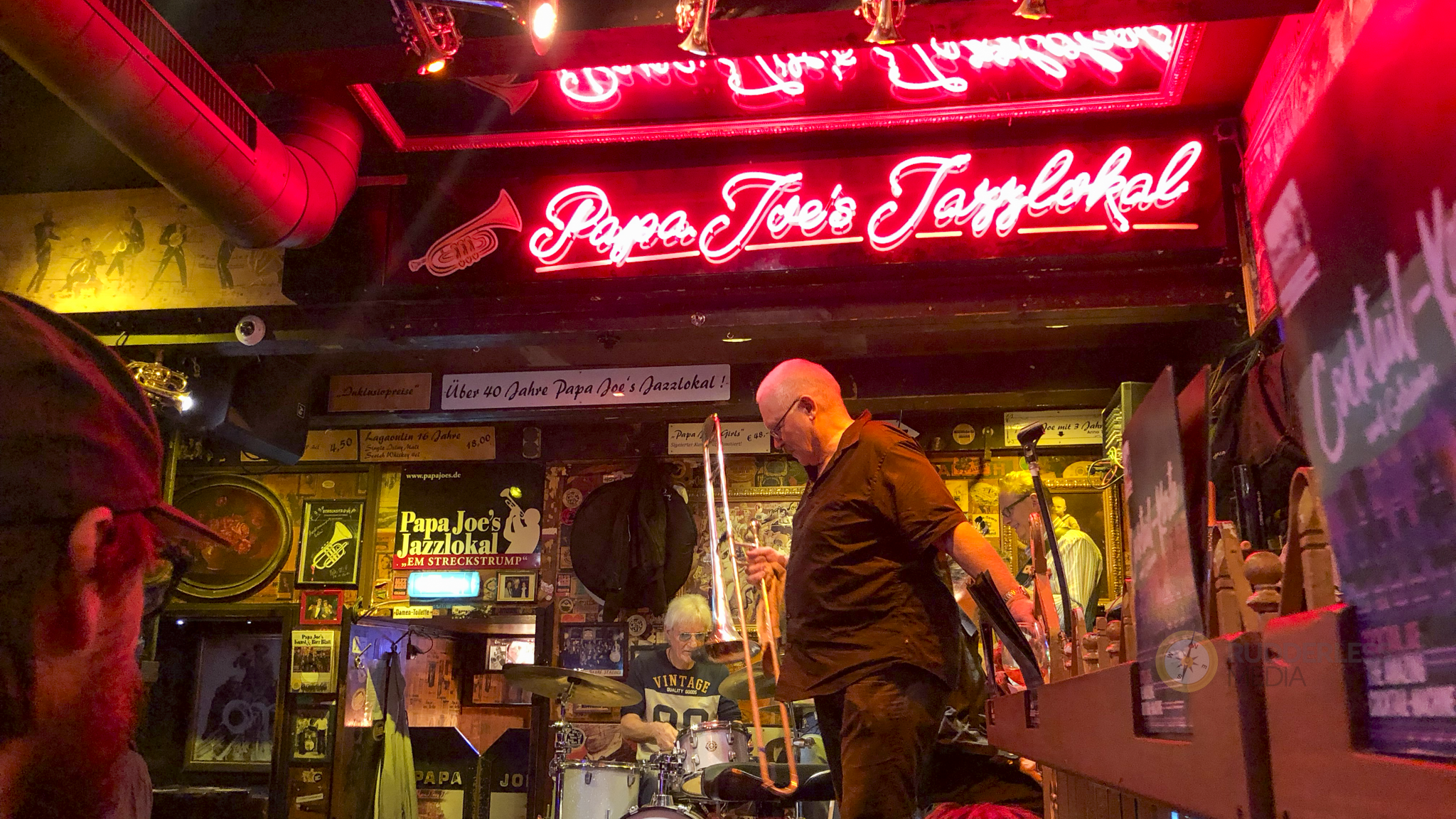
As you reach the end of the night, you have to head to Papa Joe’s. It’s a legendary spot and a staple in Cologne. On a previous trip, Santana and I spent hours tucked away in here, getting lost in the live jazz and, of course, the German beer. It’s the kind of place that feels like you’re stepping into a time capsule, where the air is thick with history, and the Kölsch never seems to stop flowing. The atmosphere is truly one-of-a-kind.
Fragrance, History, and Museums
If you need a break from the beer halls and the endless flow of Kölsch, you’ll find that Cologne has a surprisingly deep, intellectual side. The city is a patchwork of Roman ruins, medieval fortifications, and world-class galleries and museums, offering an incredible opportunity to explore the area’s culture and history. When people ask about the best things to see in Cologne, I always point them toward these spots to get a true sense of the city’s identity.
Dufthaus 4711
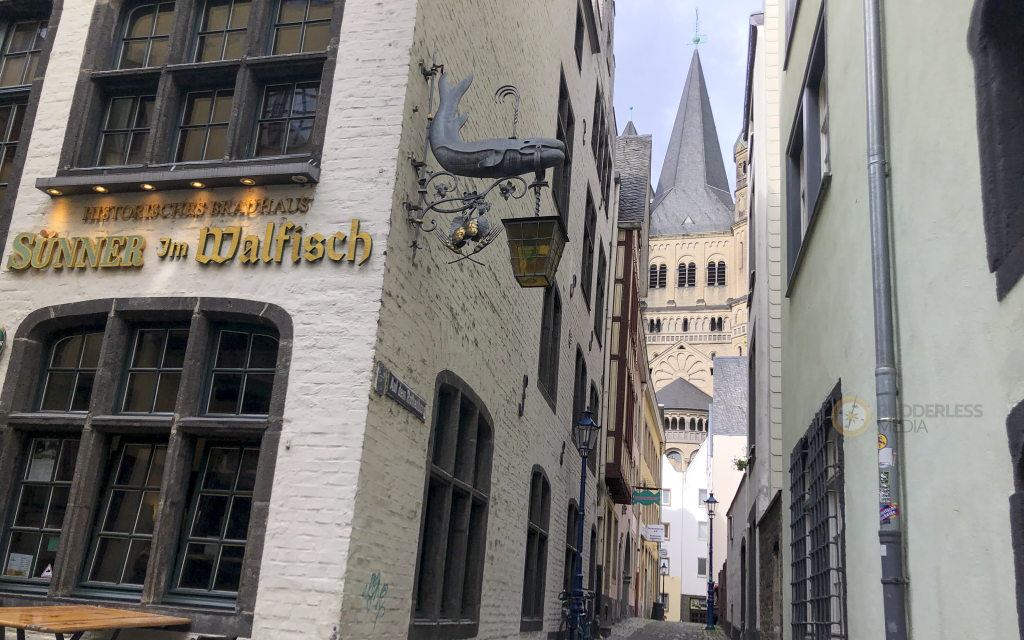
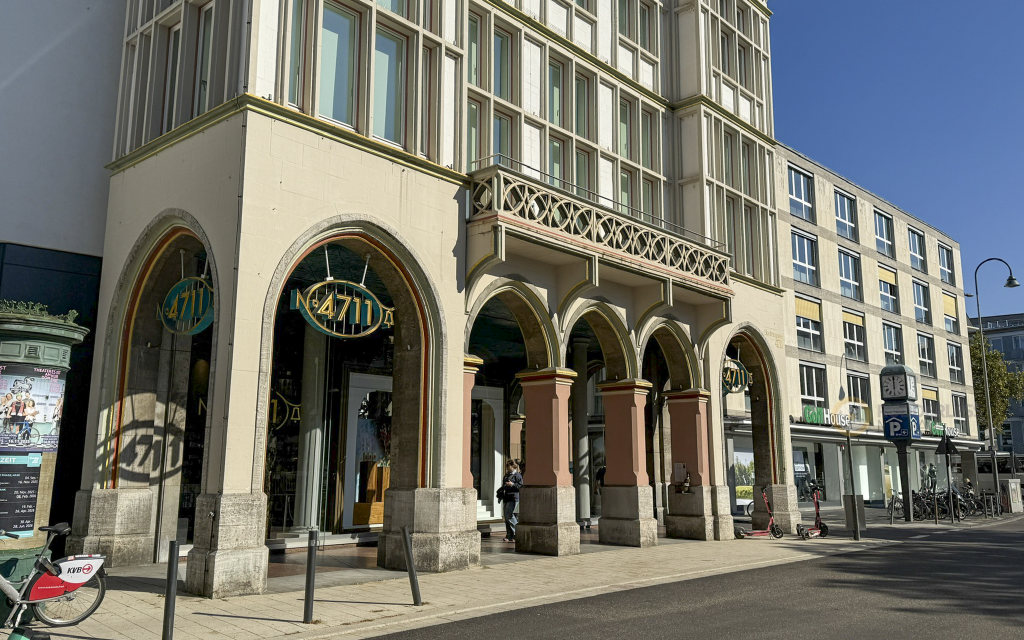
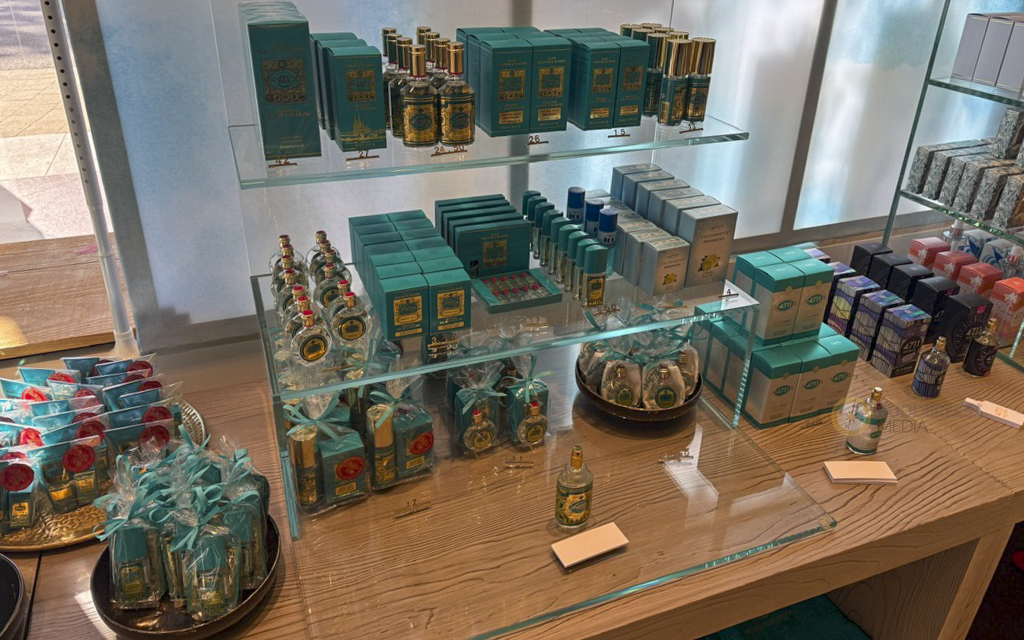
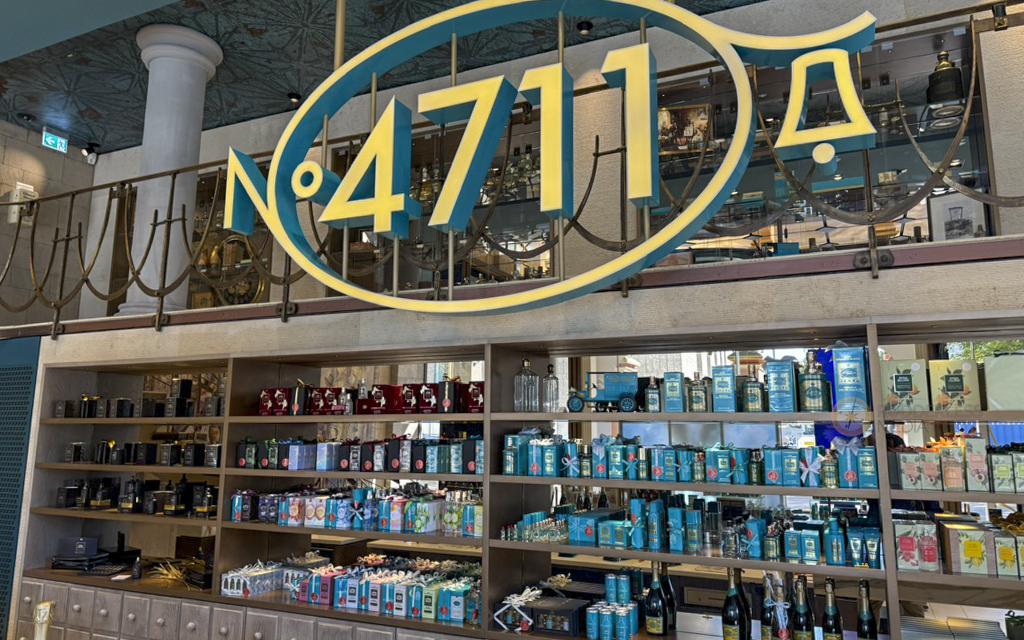
You can’t talk about this city without talking about the infamous scent that bears its name. A visit to the Dufthaus 4711 is like stepping back in time to the 18th century. This is the fragrance house that made “Eau de Cologne” a global phenomenon. The shop itself is stunning, but the real highlight is the fragrance fountain. Yes, a literal fountain of perfume! You can even dip your hands into the history of the scent. It’s a sensory experience that lets you explore the city’s creative history in a tangible (and very good-smelling) way.
Hahnentor (Hahnen City Gate)
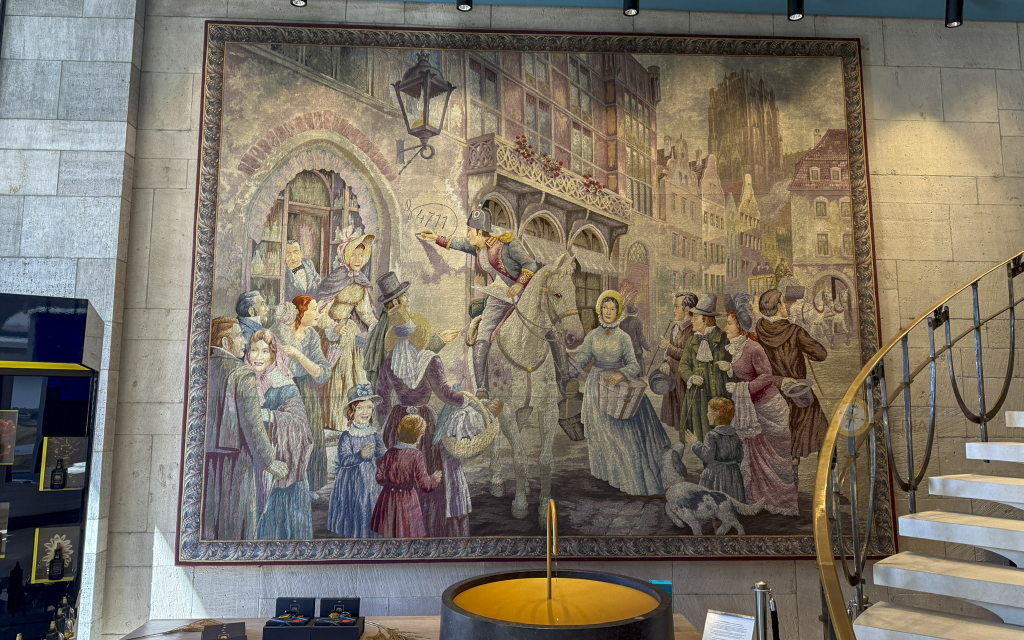
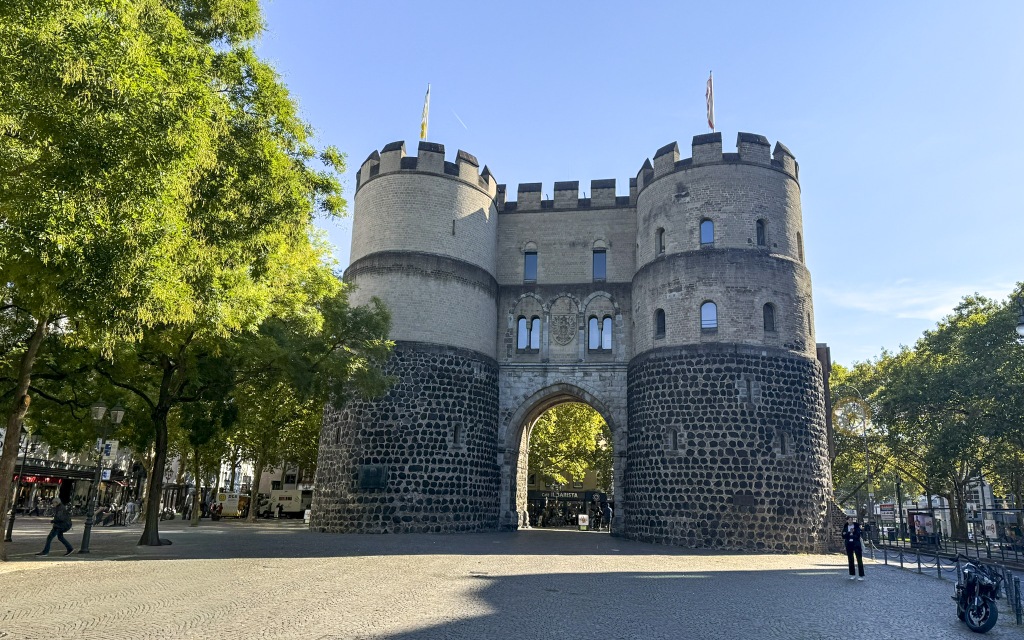
The Hahnentor is one of the original medieval gates that once protected the city. It’s a massive stone reminder of just how old this place truly is. Standing in the shadow of a gate that has witnessed centuries of history is one of those quiet moments that make you recognize and respect the city’s history, a fortress that has survived and reinvented itself over and over again. Make sure your camera is ready, because it’s a stunning structure that you’ll want to share with your friends and family back home.
The Museum Run
If you’re a history buff, you’ll be happy to learn that Cologne has a top-tier museum scene, with an incredible variety that goes far beyond typical historical displays. Whether you’re drawn to 2000-year-old Roman mosaics or the avant-garde energy of modern art, the following museums definitely make my list of places to visit in Cologne:
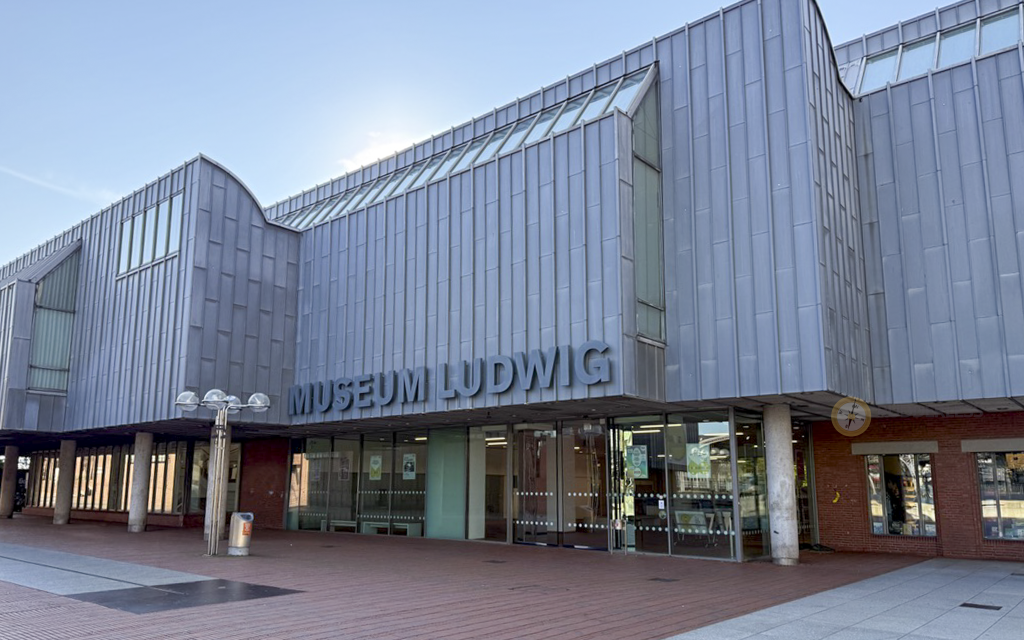
- Museum Ludwig: If you love modern art, this is non-negotiable. Here you’ll find an impressive collection of modern art, including works by Andy Warhol, Roy Lichtenstein, and one of the largest Picasso collections in Europe
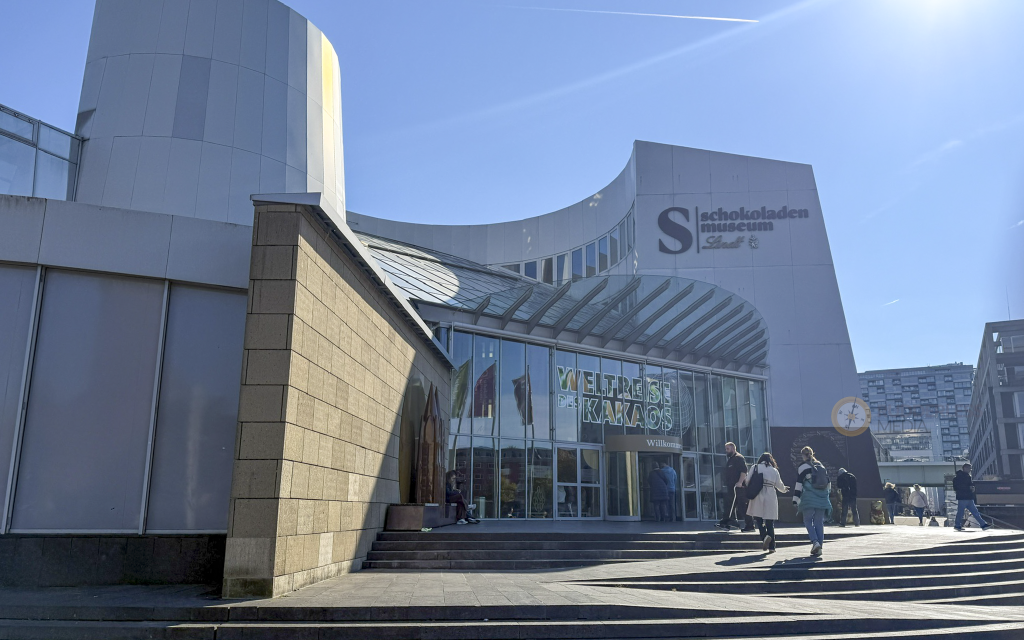
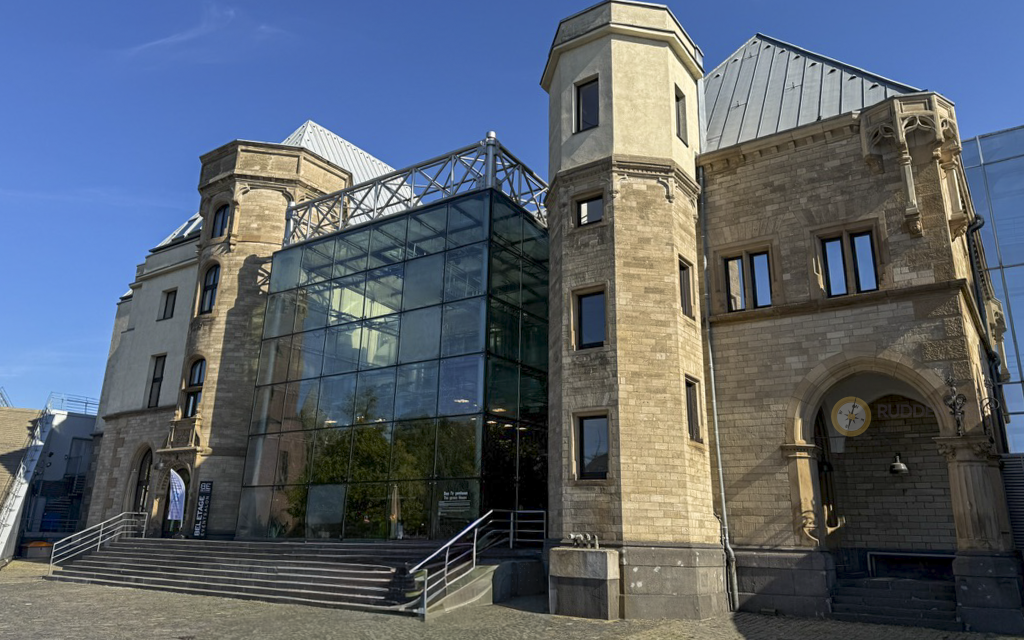
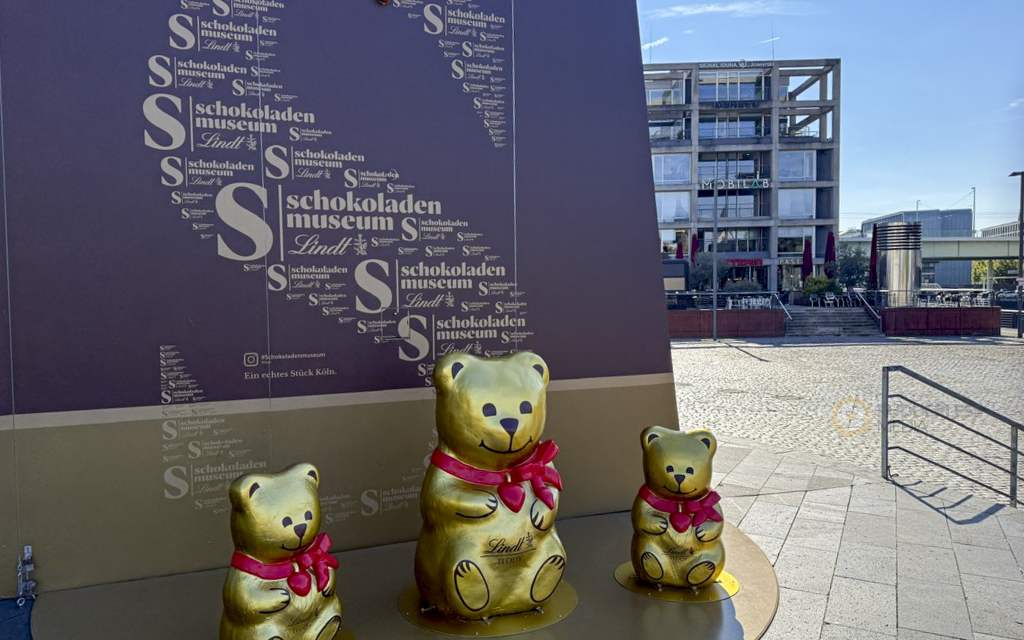
- Schokoladenmuseum (Chocolate Museum): For those with a sweet tooth, this museum is a great option. It will take you through the entire history of cocoa, including a large cocoa tree model, an ingredient warehouse, a walk-through infographic illustrating the steps of chocolate production, and more. You can even book a tasting tour.
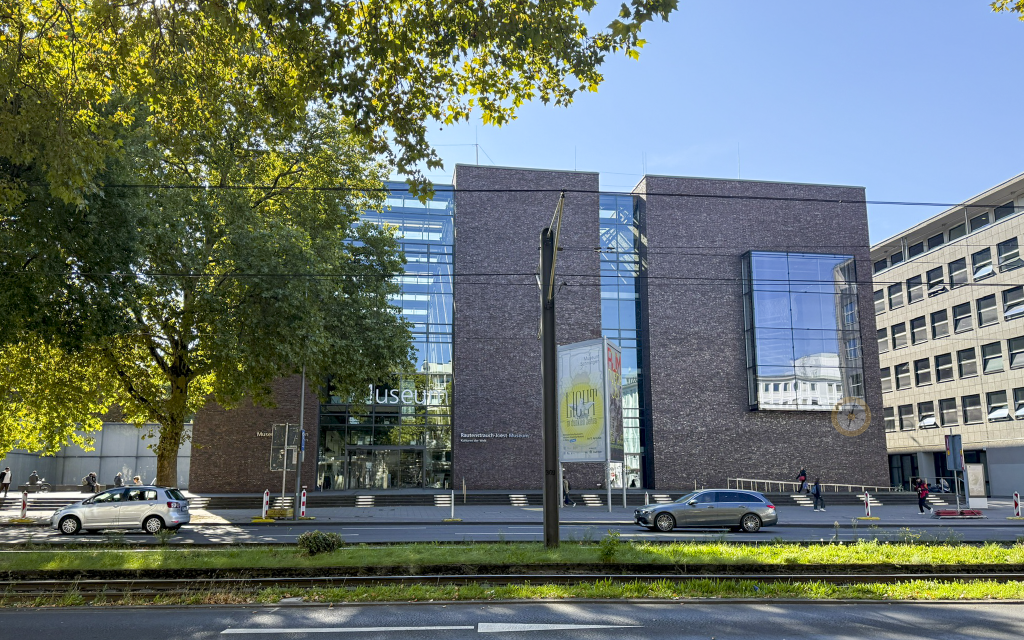
- Rautenstrauch-Joest-Museum: This world cultures museum offers an immersive look at how humans live, believe, and belong. The permanent exhibits are divided into two sections: “Grasping the World,” which shares the European perspective on cultures, and “Shaping the World,” which showcases different ways of life around the world.
- Römisch-Germanisches Museum: This is the place to see the city’s ancient roots, dating back to the founding of Cologne by the Romans in 50 AD. While their main building is currently closed for renovations, they are operating at an interim spot, the Belgian House, where you can see the world’s largest collection of Roman glass and 2000-year-old jewelry.
The Luxembourg Loop
Ever since my first visit, Santana and I have maintained a sacred “Road Trip Pact.” Every time I land in Germany, we pick a direction and hit the road. It’s our way of ensuring that while the city is our “home base” for my visit, we never stop exploring the borders that sit just a few hours away. This time, our travels took a wholesome turn as Santana, Justus, the baby, and I all piled into the car for what we called the “Luxembourg Loop.”
If you are reading through any Cologne travel guide (this one included), you will quickly learn that the city’s greatest strength is its proximity to the rest of Europe. The real magic of this side quest was in the drive itself. There is something special about navigating a road trip with a car full of family. It was a trip filled with heartfelt catch-ups, snacks, and the kind of laughter that only happens when you’re cramped in a vehicle together. By the time we crossed the border, the journey had already become the destination.
The Budget Traveller’s Exit: FlixBus to Frankfurt
As my stay came to an end, it was time to move on to my next destination: Frankfurt. While the trains are fast, I opted for the FlixBus.
For Canadians who are trying to save their loonies while travelling, the bus is significantly cheaper than the DB train. It’s a major win for your budget, leaving you more money for another round of suckling pig or a souvenir bottle of 4711.
A Piece of My Heart Lives in Cologne
When fellow travellers ask me, “Is Cologne worth visiting?” my answer is always a resounding yes. Not only is it worth it for the world-famous landmarks, but also for the gritty, creative heartbeat of the city. It is a place where you can find home, whether in a quiet walk through Deutz, over a tasty, salted pretzel, or while enjoying a cold Kölsch on a picturesque patio.
At the end of the day, it’s layers of history and the welcoming heart of the locals that keep me returning. It’s real, it’s beautifully non-conformist, and for this Canadian, it will always feel like a home away from home.
FAQs
What Is Cologne Famous For?
Cologne is most known for its towering Gothic Cathedral, a UNESCO World Heritage site that dominates the city’s skyline. Beyond its stunning architecture, the city is also world-renowned for its namesake fragrance (4711 Eau de Cologne) and its unique Kölsch beer culture. It’s a city where 2000 years of Roman history blend seamlessly with a modern arts scene, making it one of Germany’s most diverse cultural destinations.
How Many Days Should You Spend in Cologne?
To truly soak in the city’s gritty charm and creative energy, two to three days is the ideal “sweet spot” for most travellers. Can you visit Cologne in one day? Yes, the compact city center makes it possible to see the Cathedral, walk the Hohenzollern Bridge, and grab a quick Kölsch in the Old Town. However, staying longer allows you to explore neighbourhoods like Deutz, dive into world-class museums like Museum Ludwig, and embrace the slower pace that makes this area so special.
Is Cologne a Walkable City?
Absolutely! Cologne is incredibly pedestrian-friendly. Most of the major landmarks, from the Cathedral to the Chocolate Museum, are clustered within a 20-minute walk of each other. For anything further away, the city’s “Stadtbahn” (a hybrid tram-and-subway system) is efficient and easy to navigate, though you’ll likely find that your own two feet are the best way to explore the city.

One Comment